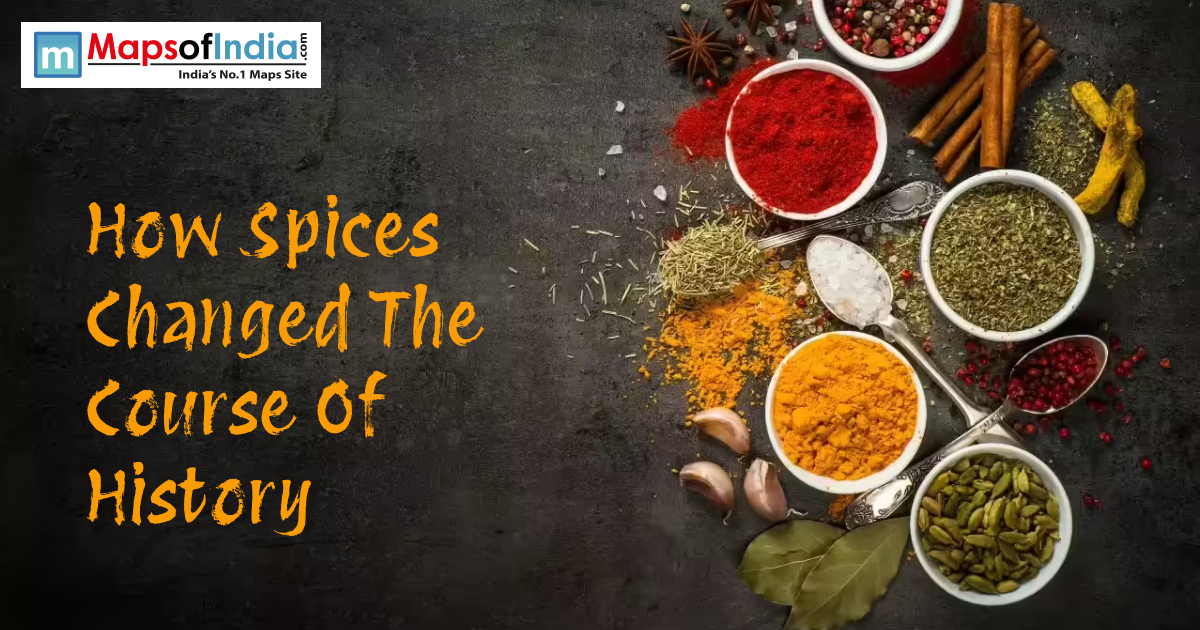
Gold wasn’t always the priciest thing around. Just a small pile of black pepper bought acres of soil. Saffron, by weight, matched what workers earned over four weeks. Oceans were crossed, not for glory, but for flavour. Power grew where spice ships docked, then vanished when they left. Paths drawn on maps followed not kings, but cargo. Riches poured into cities through spice duties. Over islands thick with cloves, battles raged without pause. Across oceans, dishes passed down ways of life. Not just taste, but healing came from these dried seeds and roots. Salted meats held longer thanks to aromatic bark and dust. The status rose with a pinch of saffron in the bowl.
The Ancient Spice Trade Routes
Long before clocks ticked, spice paths wound through dust and sun. Cinnamon found its way into Egyptian tombs, tucked within linen wraps. From distant India, peppercorns moved northward, carried by Mesopotamian hands. Across burning sands, Arab traders guided caravans under open skies. Fragrant loads of cinnamon, cassia, cloves, and nutmeg sailed west from India and far Indonesian isles. Overland and sea paths led to Alexandria before reaching Rome’s heart. Black pepper sparked Roman spending sprees, its appeal relentless. Wealth bled out, Pliny grumbled, coin by coin to distant shores. Far beyond their home markets, spices moved toward China along Silk Road paths. From Indian harbours, sea lanes stretched west to outlets on the Red Sea coast. Over vast stretches, these goods passed through many traders one after another.
Spices in Ancient Civilizations
Long before coins changed hands, people burned spices like treasures. In ancient Mesopotamia, priests stirred them into prayers four millennia past. Along the Nile, myrrh met frankincense not by chance but by purpose. Pepper moved through Greek halls not just on plates but in poems. Healing roots found their way into scrolls thanks to a certain doctor's notes. Pepper disappeared into Roman storehouses by the sackful. Hidden away, it sat like gold beneath stone floors. In India, old writings praised turmeric to mend wounds, and brides wore its yellow smear on their skin. Meanwhile, clove showed up in scrolls from China, tucked between notes about clean breath. Only those at the top tasted meals laced with these sharp, distant flavours.
The Spice Trade Controlled by Arab Merchants
For hundreds of years, Arabs held power over the spice trade. From India all the way to the Mediterranean, those paths answered to them. Across barren stretches, camels moved heavy burdens. Places such as Aden and Hormuz grew strong through sea traffic. The exact origins of traders kept these hidden with fierce care. Far-off lands meant danger tales spun of beasts, oceans bubbling like kettles. Across the continent, costs climbed without reason, stuck high above reach. Imagine trading an entire animal just for a small sack of spice. Traders from Arab regions thrived, gaining strength through quiet control. Their hands guided roots and barks into fortunes none could touch.
The Age of Exploration and the Fight for Spices
Spices pulled Europe into a wave of exploration. In 1498, India saw Vasco da Gama land on its shores. Around Africa, a new path by water began that day. Through it, Portugal grabbed hold of commerce across the Indian Ocean. Strongholds rose up in Goa, then Malacca, and later Hormuz. Not long after, the Dutch showed up too. A new company rose in Holland in 1602. From Portugal, the Spice Islands slipped into Dutch hands. With force, control was held tight. Two years earlier, a rival group started in England. Rivalry sparked early and burned hard. Clashes over flavour changed world power lines. Driven by spice, Europe reached far corners.
The Spice Islands Under Colonial Rule
Spices like cloves, nutmeg, and mace came only from the Moluccas at first. Nowhere else had they grown wild. To keep control, the Dutch chopped down trees on rival islands. Quotas were forced through fear and violence. People living there paid a heavy price. In 1621, bloodshed swept across the Banda Islands. Thousands lost their lives or were taken into slavery. From sweat and silence, nutmeg fields grew. Driven by hunger for flavour, colonists pushed outward. Imagine specks of land drenched in conflict over a harvest.
The Rise of Spice Trade Companies
Rich beyond measure, the Dutch VOC claimed a place as history’s wealthiest company. Shares changed hands openly among investors drawn by the promise of returns. A force unto itself, it held soldiers under command along with warships at sea. Copying its shape, the English East India Company walked the same path. Fights over spice brought big money. Often, blood was spilt when rivals clashed. These firms carried guns, flew banners, and ruled like countries.
Spices Fueled the Slave Trade
Profits from spices quietly fed into the triangle of trade. Wealth poured into Dutch and English hands through aromatic cargoes. That money found its way into vast fields where sugar grew. Workers were forced to tend those fields, with no choice given. From African lands, millions crossed waters toward unknown shores. From tiny jars came fortunes that fed a brutal trade. Not swords, but saffron quietly tightening chains over distant shores.
The Spice Routes Shaped Cultures Through Trade
On busy roads where spices moved, beliefs travelled too. Not just sacks of pepper changed hands; faiths took root far from home. Traders brought Buddha's teachings deep into island lands. Along those same trails, Muslim ideas slipped into villages across Indonesia. Thoughts moved, just like people did. From India, math slipped into Arab lands. Tools for sailing passed from the Arabs to Europe. What we eat has changed, too, crossing oceans slowly. Chillies arrived in India because of Portugal's ships. Spices acted as bridges, helping ideas mix long before anyone planned it.
The Fall of Spice Control
Suddenly, crops from the Americas turned old systems upside down. In India, chilli peppers took root fast, no fuss, just growth. Meanwhile, black pepper started thriving across Brazil, not just in its usual spots. Far off, nutmeg farms crept past the Banda Islands like quiet invaders. As supply climbed, prices dropped hard and kept falling. Once-dominant monopolies weakened bit by bit, unable to catch up. Slowly, Europe’s attention drifted toward different goods altogether. Fading slowly, spice commerce slipped from its peak. Much like jewels of old now seasoning common meals.
Spices Still Have a Role Now
Flavours keep changing how people eat around the world. Not just taste, but whole cultures show up in a pinch of spice. Hidden inside them are perks for the body, too. The swelling goes down when it is used. Blood sugar stays steady thanks to cinnamon. Digestion moves more easily with ginger nearby. These tiny bits link meals today to what came long before. Much like ancient seeds whispering tales of faraway lands, trade routes, and shared moments across time.