

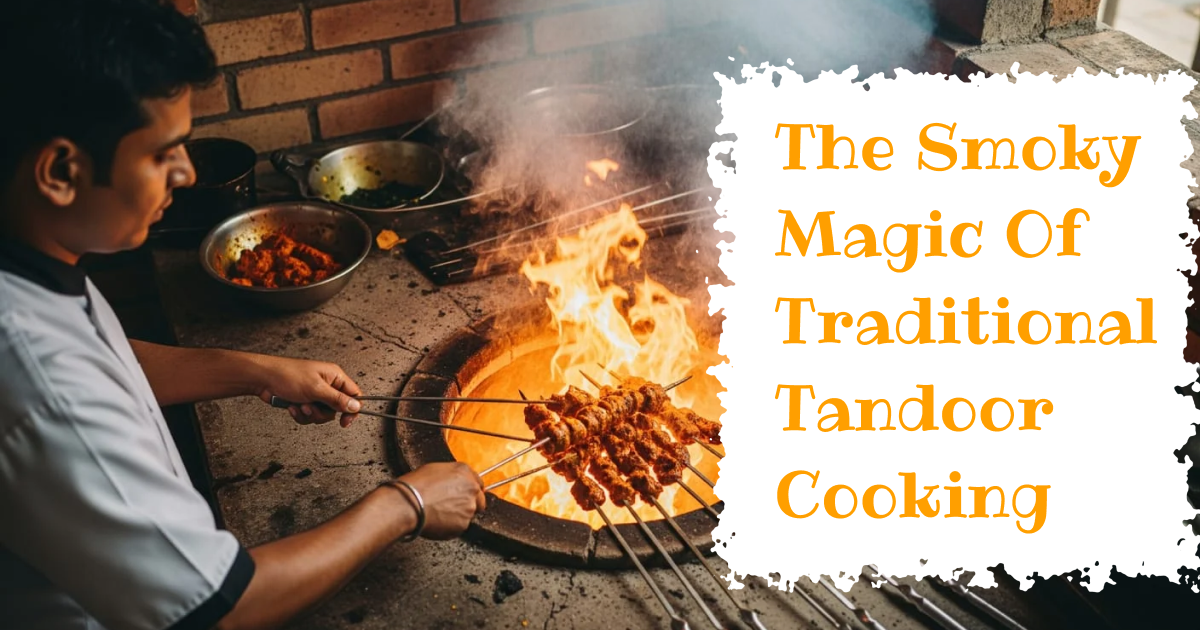
The heat from a tandoor can turn simple things into something that you can never forget. You can see the flames licking the clay walls while smoke coming from the charcoal and spices is going upward. The dough is getting stuck to the inner surface as it puffs into perfect naan. Meat after the marinade time of the whole night is the main fasting skewer, which is going to be slowly turned near the bright coals. So the smoky magic is done with the help of this powerful dry heat. The methods of cooking in a traditional tandoor were not revolutionized for hundreds of years. It is the way that helps us to see and taste the dishes of today through the very cooking fires and food of ancient times, as the tandoor still remains the main one in use after all these years. It is like a soft or silent practice that is able to change the normal meals into big or special ones.
Ancient Roots Of The Tandoor
Ancient people used hot earthen chambers long before modern kitchens existed. From deep within the ruined cities of the past, broken bits of rounded kilns have emerged. These were not just pits in the ground but carefully shaped enclosures built to hold intense heat. Far earlier than most assume, such methods already thrived near the riverbanks of what is now Pakistan. Language links them further west, where a similar name burns through time, tanur, glowing like embers in old Persian speech. Invaders brought it to India, and traders carried it along routes. Royal cooks under Mughal rule shaped tandoori food with care. Inside palace walls stood wide clay ovens set into the earth. Fires of charcoal or timber burned without pause beneath. Meat cooked fast when that deep heat hit, locking moisture within. Hot bread sticks to the clay walls and cooks fast.
Building And Shaping Traditional Tandoors
Donkey hair finds its way into traditional tandoor mixtures combined with clay, sand, and salt. As heat hits, that hair holds things together from within. Shaped around a form by hand, the wet earth rises slowly. Thick sides emerge, built layer after layer. A gentle taper appears at the base, almost like an afterthought. A little pit for ashes rests down below. Sunlight hardens the clay before a slow burn finishes it off. Reaching up to five feet, certain models stretch quite high. Others move easily, metal barrels wrapped inside with fired earth. Built into the ground, restaurant tandoors stand firm. A basic clay tube, shaped by hand, handles fierce temperatures year after year.
The Science Behind Smoky Flavour
Heat near the tawny roof hits 400 to 500°C. Lower down, warmth settles at 200 to 300°C. Food browns fast under glowing walls. Crispy sear forms thanks to high-heat chemistry. Charcoal fumes drift through the meat slowly. Flavours deepen without warning. Outcomes steam quickly, so what’s inside stays soft. When the temperature climbs, liquids get locked where they are. Dry warmth wakes up spices like a sudden spark. Seconds under that fire shift everything flavours turn deep, sharp, real.
Dishes That Came From The Tandoor Oven
The star dish still holds its place: tandoori chicken. Overnight, pieces soak in thick yoghurt along with ground spices. Close to glowing embers, skewered birds turn slowly for balance. Minced lamb mixes deeply with chopped green herbs before shaping onto sticks. Cheese cubes blacken just right at their corners when grilled. Butter swirls through garlic bits on golden toast. A full fish chars at the edges but keeps soft flesh within. Fire transforms basics into something remembered long after.
Regional Differences Across India
Punjab made tandoori chicken and naan its own. Tamarind brings a sharp kick to Hyderabad’s mixes. Spices hit hard there in Rajasthan, yet yoghurt cools things down. Saffron threads weave through Lucknow’s dishes, gentle but clear. Mustard oil slips into Kolkata’s cooking just a hint, just enough. Curry leaves join coconut in South Indian dishes. Every area shaped a way of cooking all its own. Inside homes, tandoors run quieter than those in eateries. The clay ovens add a deeper smokiness to food. Heat behaves unlike itself, depending on which state it burns in.
Health Benefits Of Tandoor Cooking
With tandoor cooking, there is almost no need for extra oil. Fat runs off during the intense baking process. Because of how hot it gets, harmful microbes do not survive long. The soak before grilling softens proteins through natural means. Herbs mixed into rubs can support body balance. Fermented dairy used in soaking introduces helpful cultures. When greens go inside, most goodness stays locked in. Baking keeps food closer to how it tastes in nature. This way of preparing meals brings out flavour without heavy oil.
The Handmade Skill Of Building Tandoors
Tandoor makers use just their hands along with some very simple tools. The clay is first mixed with sand and then straw in a very careful way. Then, they use a mould to form the shape of the clay pot and work on it very slowly and patiently. In order for the tandoors to be able to hold the heat better, the walls are kept very thick In order to improve the airflow, the neck is made a little narrower The sizes of the openings depend on what is going to be put through them Besides, some are having metal rings that help keep them strong Firing takes place in somewhat gradual manner over several days The heating is done softly and step by step.
Modern Twists On Traditional Clay Ovens At Home
Flickering flames fed by gas now light up hidden spots in eateries. Dough finds its perfect form through electricity, warming it within houses. Resting where people leave mugs and jars, a few burn steadily on glowing embers while some wake when plugged in. Surfaces made of smooth metal stand strong, staying clean even when left alone. Fresh air carries the smell of clay ovens glowing outside. Spiced yoghurt brings sharpness to dishes cooked today. Home cooks follow flavours caught in busy street markets. Heat once used long ago finds its place inside modern kitchens.
Cultural And Social Significance
Out in the open, ovens glow behind glass where smoke twists upward. Flames flicker beneath skewers during wedding feasts, drawing eyes from onlookers nearby. Flatbreads rise slowly inside earthen pots, shaping how people come together. Flames jump when rods twist fast. Through the sky, grey wisps drift as fire snaps under steel. Dishes move hand to hand, where talk swells at shared benches. Eating like this links full bellies to joy found near a single plate.