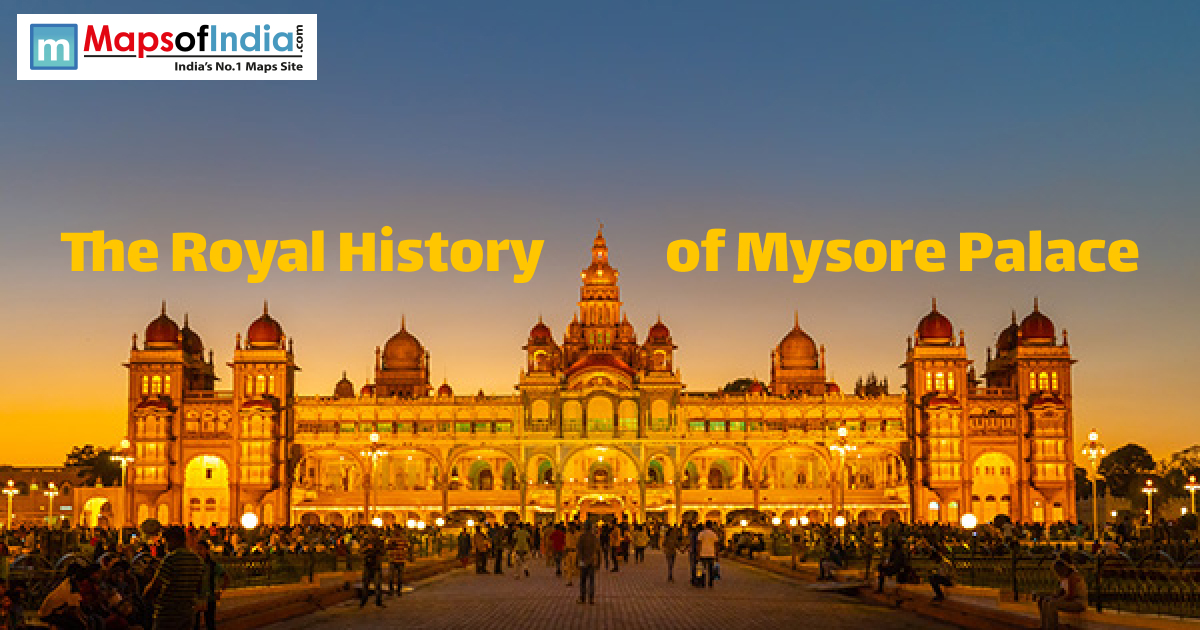
Inside the old fort walls, a wooden palace rose during the 1300s, marking where Mysore's story began. Power stayed with the Wadiyar family for generations after their dynasty took root in that era. Though simple at first, the building slowly grew, becoming more than just stone and timber. Centuries passed, yet leadership remained firm under their rule across the kingdom. Culture flourished because kings favoured painters, poets, musicians, alongside builders who shaped grand designs. Politics mixed easily with performance halls, turning the site into a living hub of influence. What started modestly eventually stood as a symbol woven deep into southern India’s heritage. Back then, Mysore didn’t swing wildly like some of its neighbours. Because things stayed calm, those in charge poured resources into big buildings and helping people out; what you now see in that striking palace took root during those years.
The Destruction By Fire And Rebuilding Of The Grand Palace
Over time, the wooden palace suffered damage on several occasions. The greatest loss was caused during the Dussehra Festival Fire of 1897, when the palace was nearly destroyed. The fire happened during the wedding of Princess Jayalakshammanni. As a result, the royal family had no option but to completely reconstruct the palace. The ruling decided to replace the wooden palace with a stiffer and grander construction made of stone and modern engineering. This was the first step to the present Mysore Palace. The reconstruction represented a spirit of fortitude and pursuits. The new palace was intended to be a symbol of power, cultural pride, and the splendour of royalty.
The Architectural Vision Of Henry Irwin
British architect Henry Irwin was responsible for the design of a new Mysore Palace. Building work started in 1897, and the palace was ready in 1912. It is an Indo-Saracenic style building which is a mix of Hindu, Mughal, Rajput and Gothic forms. The mixture is what makes Mysore Palace one of the most distinctive royal homes in India. The palace has grand domes, high arches, detailed carvings and large courtyards. Pink marble domes and grey granite walls are quite a dramatic sight. Besides that, the palace included major advances such as electric lighting, which was almost unheard of then. Such a blend of old style and new techniques helped put Mysore Palace among the most sophisticated royal dwellings in India during the first decades of the 20th century.
The Palace Where Krishnaraja Wadiyar IV Lived
Once home to Maharaja Krishnaraja Wadiyar IV, the Mysore Palace stood at the heart of royal life. Under him, the city bloomed, schools rose, roads improved, and care reached more people. Some call those years Mysore's brightest stretch. Power lived there, yes, but so did changes that touched daily lives. What looked grand from the outside also worked hard within. Backed by the throne, music thrived alongside art, while discoveries in science found steady ground. Universities rose, followed by libraries and halls open to all. In those years, Mysore became known far beyond its borders for fair rule and clear laws. So it was not just gold on the ceilings that mattered; quiet progress lived behind the walls, too.
Mysore Palace Interiors
Inside, Mysore Palace shows work done with great care. Grand rooms here hold ceilings made of colored glass, floors set with tiny tiles, alongside doors shaped from wood by hand. Gold covers the columns in Ambavilasa, a room where rulers met guests privately, its ceiling filled with painted stories. Scenes on the walls tell of past rituals, gods, battles, and processions, all caught in careful brushwork. From Belgium comes glass, while Italy lends its marble, India adds handwork, and each piece tells a wider story. Royal grace lives in every room, shaped by bold artistry that speaks without words.
Mysore Dasara Festival
Every October, Mysore Palace grabs everyone's eyes. A full week and more unfold in celebration, marking light winning against darkness, a tradition holding strong since the 1600s. When night falls, the building glows bright, lit by close to a hundred thousand bulbs. Inside, the gilded seat of kings appears for view while rituals tied to royalty take place. Sounds of singing rise through streets, dancers move under open skies, parades roll slowly past markets. Out front at Mysore Palace, the grand Jumbo Savari parade kicks off with elephants robed in vibrant finery. These stately animals move through streets carrying symbols of a long-held monarchy. People arrive from distant corners just to witness it. What stands out most is how tradition breathes fully here, alive and unchanged.
The Golden Throne And Royal Symbolism
Golden light catches the eye inside Mysore Palace, where the throne stands once a year. Only during Dasara does it appear, brought together with quiet precision. Power lives in its shape, not just remembered but shown. Carved details cover every surface, each twist shaped by hands long gone. Time folds into itself when you see it, past pressing close. Most people feel lucky just to see the golden throne. What it stands for keeps the spirit of Mysore's rulers alive in their minds.
Mysore Palace Under British Rule
Back then, under British oversight, Mysore stayed a kingdom of its own kind. Power stayed with the Wadiyars, though they worked alongside colonial officers. Because of that setup, art and buildings kept moving forward here. Look at Mysore Palace, its design shows foreign touches mixed into local tradition when it was built. Even under colonial rule, Mysore held fast to its own way of being. Standing tall, the palace shows how culture can shift without disappearing.
Mysore Palace, Following India's Independence
In 1947, India became free, and Mysore was part of the country that was born. Although the executive power was transferred to the elected officials, the royal family still had possession of the palace. Visitors' entry was gradually allowed, and nowadays, the palace exhibits art and history to the public while also preserving its royal heritage. Encounter the life of kings through palace chambers; afterwards, visit museum galleries with old paintings and other historical artefacts. Though the place is inviting visitors to date, it is also maintaining the historical narrative.
Mysore Palace: Unique Architectural Blend
The Mysore Palace, strategically placed outside the city, has an impressive ensemble of architecture that keeps the eye glued. A blend of multiple architectural styles is visible here as it combines Hindu, Muslim, and Rajput traditions along with European elements. Such a wonderful mixture is the result of a shared history, as lived experiences have turned into stone and space here. The intricacies of this palace were soon to be found also in buildings way beyond its territory. Dome shapes are similar to the curved passages, and spires stand in a quiet harmony. Amongst the palaces that are considered the best architectural masterpieces in India, Mysore Palace also gets admiration from the architectural fraternity.