
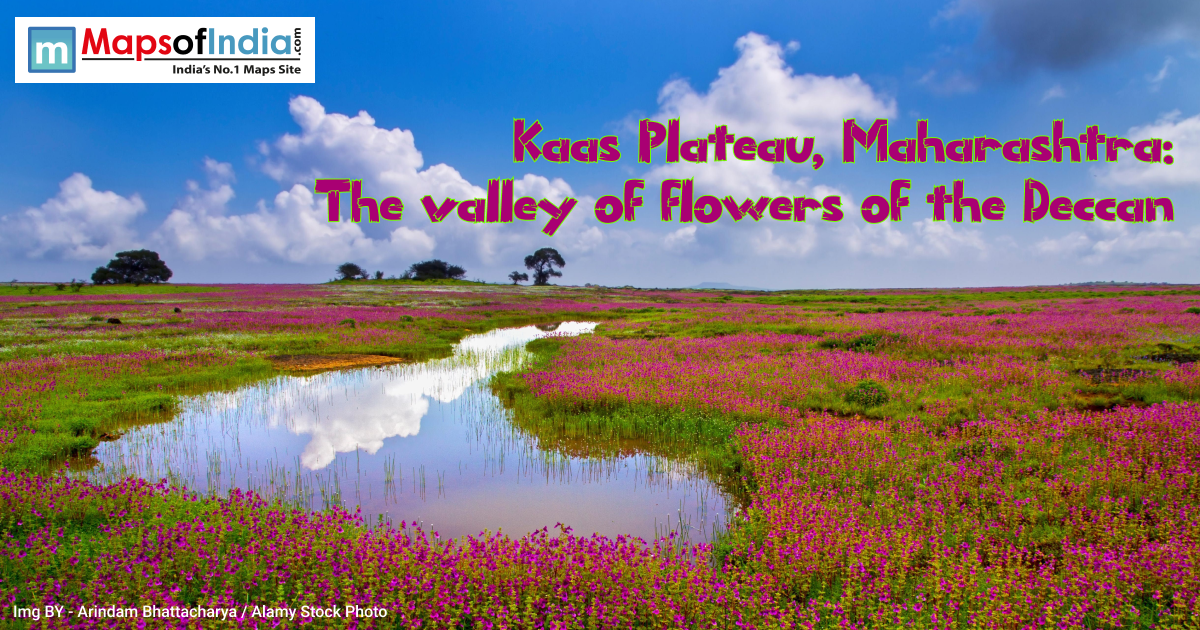
In the Western Ghats of Maharashtra, Kaas Plateau unfolds suddenly – like paint spilt on stone. Called the Valley of Flowers of the Deccan, it flares into view each year for just a few weeks while protected by UNESCO. Near Satara and about 25 km from Mahabaleshwar, it stirs awake when monsoon drops start falling, blanketed in untamed blooms. This isn’t merely eye-striking; instead, it shelters uncommon species, giving them deep ecological weight – a natural gem carved slowly across India.
The Magical Transformation of Kaas Plateau
With the arrival of the rain, Kaas Plateau changed completely and became beyond recognition. You’ll see countless blooms blanketing the land, not only the green grass. Hues burst across the terrain: soft pinks, deep purples, bright yellows, and clean whites blend into one wild tapestry. With each light gust, petals dance lightly, creating views so dreamy they feel made up. Week after week, different blossoms take turns opening their leaves, shifting the landscape bit by bit. There is a constant shift happening here, making this place feel more alive.
A UNESCO World Heritage Marvel
Due to its rich ecology, in 2012, the Kaas Plateau earned UNESCO’s recognition. This region is listed among the eight key global zones that are full of life. This place stands out for sheltering unique nature spots. Protection efforts grew urgent since this land hosts countless rare species existing only here. With shallow dirt and harsh weather, it forms a tough but special kind of laterite landscape where unusual plants cling on by adapting in clever ways.
The Unique Geography of Kaas
The Kaas Plateau sits around 1200 meters up from sea level. Its ground is made of laterite stone, packed with iron and aluminium, yet low on nutrients. Once the dry stretch hits, the land dries out completely, turning stiff and cracking open. Right after rain starts falling, water collects in thin layers of soil, forming short-lived pools together with damp spots. Here, blooms usually show up near ferns while moss spreads quietly through the cracks. Growth takes time in this spot – everything waits on brief rains since once moisture fades, nothing moves forward.
A Biodiversity Hotspot of the Deccan
The Kaas Plateau hosts more than 850 kinds of blooming plants. Around four dozen survive nowhere else but right here. Key blossoms you’ll spot include Karvi, Smithia, and Utricularia, along with vivid pink Impatiens. Carnivorous types like Drosera thrive too, living off bugs they catch to cope with thin soil. Besides, plants on the plateau feed many butterflies, bees, and similar insects while also giving them shelter. In woods near Kaas, you might spot uncommon frogs, toads, or lizards – adding up to what feels like nature’s full display.
The Flowers That Define Kaas
Among the different species that define Kaas, the Topli Karvi, which flowers once every seven years, and the Smithia, also known as Mickey Mouse flower due to its distinctiveness, are some of the most variegated ones. The dazzling blue Utricularia and the purple Impatiens cover huge areas like an ocean of flowers. Every flowering species is out only for a couple of weeks, thereby adding the disappearing phenomenon of the plateau to the magic of the plateau. The variety of plants at this place is a mirror of the whole ecosystem of the Western Ghats, which is very rich.
The Cultural Connection of Kaas
The Kaas Plateau means a lot culturally and spiritually to the people living around it. Most of the village folk consider the blossoming of the flowers as a sign of both prosperity and a good harvest. The plateau, whose name is derived from the Kaasa tree that produces white flowers and was once grown in the area, lacks a little of the latter nowadays. With time, Kaas has also been integrated into the ecological system of Maharashtra and is now attracting not only local but also foreign tourists who come to witness nature’s unspoiled splendour.
Conservation Efforts and Environmental Challenges
With the growing popularity of the Kaas Plateau comes the positive and the negative aspects. Uproarious tourism in the past had caused harm to the local plants and the earth. To solve this problem, the Maharashtra Forest Department has erected a number of measures such as strict visitor limits, provision of guided trails, plastic bans, and more. Apart from them, preservation advocates support local inhabitants and also strive to realize eco-aware tourism in these areas. Achieving this goal, they open the way for the future where the charming flowers will keep flowering, and Kaas will be a site not only for environmental education but also for research.
The Role of Local Communities
Local communities around Kaas are very instrumental in the preservation of the environment there. A large number of the natives are employed in roles of guides, maintenance personnel, and micro-entrepreneurs providing eco-friendly products and services. Engaging local people in conservation schemes is a way of ensuring that social welfare and nature protection are interlinked. This method gives local residents the confidence to appreciate their natural legacy and become its custodians of the future.
The Experience of Walking Through Kaas
Walking across the Kaas Plateau feels like stepping into a painting that’s still breathing. Air carries a clean, soil-like smell you can almost taste. Bugs buzz nearby while leaves whisper back, layering sounds into quiet music. To protect fragile greenery, people should stick to marked trails when moving around. It’s not just about what meets the eye – what matters more is how it feels: earth, water, life pulling in sync.
Tourism with Responsibility
Tourists who come to Kaas should definitely consider following the principles of eco-friendly tourism. Disposing of wastes properly, trail usage and local people’s respect are some of the simple ways in which everyone can contribute. Minor acts of accountability have the power to greatly influence the state of the most vulnerable environment. If done correctly, tourism acts as a means of raising awareness for the plight of the environment and the need to protect it rather than its exploitation.
A Living Symbol of Natural Beauty
Kaas Plateau is a pointing finger to the delicateness and preciousness of nature. Its ephemeral flowering period imparts the virtues of patience and respect for the time. It demonstrates that beauty lives in harmony rather than in excess. The flowers of Kaas don’t last long, but the memory of their colors stays forever.