

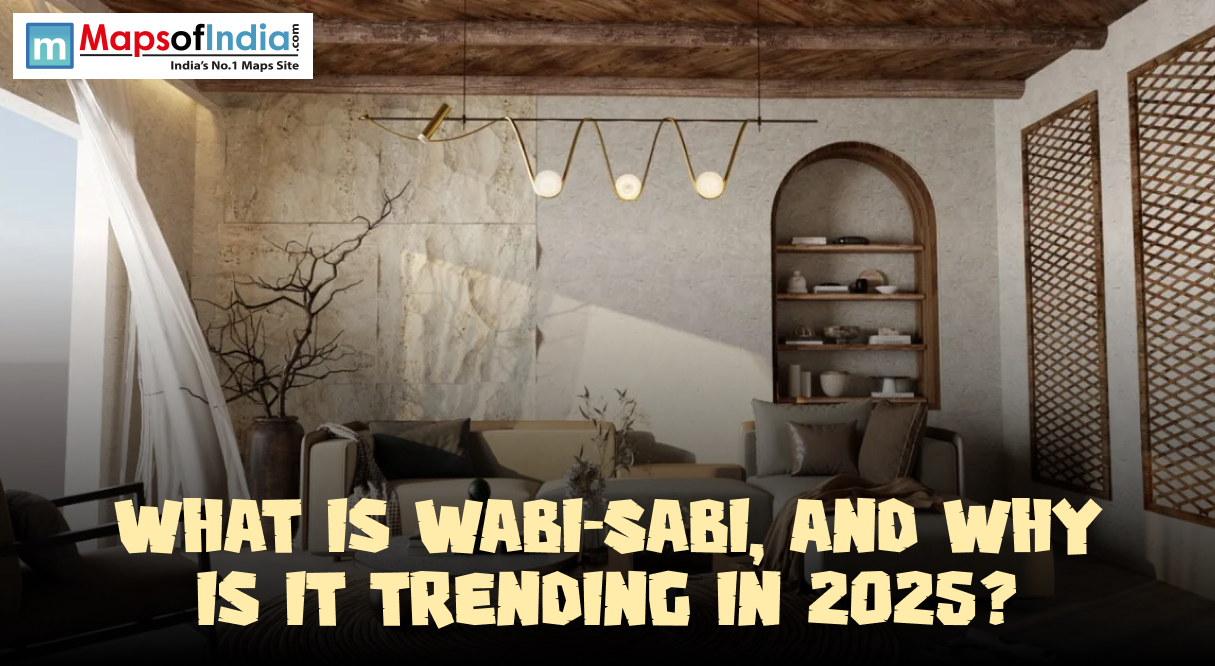
Wabi Sabi comes from Japan, more than just looks, it’s a way of thinking. Beauty hides in worn things with stories. Items feel alive when they show age, marks, because those flaws tell their journey. Simplicity matters here. quiet moments matter more than loud ones. Humbleness plays a big role in this. It helps to stay grounded and linked to the outdoors. Sabi is about finding calm beauty in how objects change over time. Put together, these ideas form a perspective embracing fleeting moments, appreciating raw surfaces, organic stuff, yet rough outlines. Wabi Sabi nudges folks to move more slowly. At the same time, it helps them spot tiny bits others miss amid life’s rush.
What’s happening right now makes this relevant.
In 2025, people are tired of trying to be perfect. Social media ramps up anxiety, sparks envy over curated posts, yet burnout won’t quit. Global stress levels are still climbing fast. But now, protecting nature and slowing down the daily grind matter way more than before. These days, many chase meaning and honesty instead of hustle in everyday life. Still, wabi-sabi offers a calm choice, unlike sleek designs or flawless pics on screens. Rather than hurrying through life, it gently tells you to stop, notice little details nearby, since shifting moments are just part of how things go.
A response from society to living online
Fancy screens grab most of our focus these days. Instead of real life, we get slick images, picked stories, and never-ending refreshes. Because of this, people start thinking they’ve got to live flawlessly, something no one can really do. But here’s where Wabi-Sabi steps in differently. Rather than chasing polish, it nudges both makers and viewers toward rough edges, raw clips, and things changing slowly over time. This idea caught on across image-heavy apps such as Instagram, TikTok, and Pinterest. Faded light blends with worn items showing age, while calm daily habits differ from slick, polished styles seen elsewhere.
Wabi-Sabi in interior design trends
Interior design by 2025 leans into Wabi-Sabi ideas. Rooms pick raw stuff, think clay, stone, linen, bamboo, or wood. These things get better looking over time. Surfaces feel rough, never totally flat. Crafted ceramics appear more often than factory-made ones. Furniture on purpose shows flaws. For the quiet vibe colour that stays close to nature, such as ochre, pale green, dark grey, and warm beige are used. Instead of perfect pairs or shiny finishes, creators pick random pieces that show wear from years gone by. These spaces seem cosy, real, full of history, never fake or posed.
How Wabi-Sabi differs from minimalism
Minimalism means getting rid of mess to make things look clean. Yet it usually likes balanced layouts, sharp details, because consistency feels right. On the flip side, Wabi-Sabi skips extra stuff too. Still, being flawless isn’t the goal. Instead, it welcomes signs of age, breaks, worn colours, and uneven forms. While a minimal room might appear tidy and sharp. A Wabi-Sabi room feels honest and cozy. While minimalism claims “less is more,” Wabi-Sabi believes beauty lives in what’s genuine. Still, this gentler style pulled in folks turned off by minimalism’s coldness.
Wabi-Sabi as a lifestyle philosophy
Beyond looks, Wabi-Sabi shapes how you live day to day. Because it helps folks accept change in life, connections, and habits. Rather than rushing, it values taking time to cook, noticing small details, sitting quietly, and appreciating little joys. Some repair what’s worn instead of tossing it this way. They connect with handcrafted flaws, odd textures, and uneven edges around them. Over time, this cuts down stress, lessens competition, and eases the urge to follow every new fad.
How social media helps spread the trend
Apps such as TikTok, Instagram, or Pinterest helped spread Wabi-Sabi fast. People post brief movements showing relaxed mornings, flawed home setups, vintage cooking tools, plus tidy areas instead of flashy ones. This look stands out next to polished viral trends. Especially younger users like this idea since it seems real, down-to-earth, doable – something folks prefer when they’re worn out from chasing flawless images online.
Wabi-Sabi in fashion and objects
The shift shows up in clothing as well. By 2025, styles lean toward raw materials – linen, cotton, or hemp. Outfits should wear in nicely, not stay crisp forever. Muted, soil-toned shades fill closets. Exposed seams, stitched details by hand, along with uneven surfaces, become features people want. Product designers focus on stuff like copper, leather, or raw wood – materials that age well. These things grow more unique with use, feeling closer to you over time. Old gear and secondhand finds. They fit right in here. Their worth gets a boost when seen through this lens.
Wabi-Sabi and mental well-being
In a life where everyone’s always measuring up, Wabi-Sabi gives a break. It shows how cracks and wear can make stuff more meaningful instead of less. Because of this, there’s less pressure to chase the latest or flashiest thing. Folks start seeing their own journey as messy, full of stops and starts, yet okay. With time, this way of thinking eases worry, boosts kindness toward oneself, plus changes how we connect with what we have.
How to bring Wabi-Sabi into your life
Begin by tweaking little things. Go for handcrafted pottery instead of shiny, factory-made plates. Let wood furniture reveal its texture and wear over time. Pick gentle, faded tones for your room. Put a plant or a bit of driftwood somewhere you’ll spot each day. Fix something worn out rather than buying new. Take tasks slower – whether chopping food, wiping floors, strolling, or just watching trees sway. Hang back awhile, watch how shadows stretch, surfaces feel, light shifts across walls. Say thanks inside for tiny things that seem plain but aren’t.
Simple Wabi-Sabi practices for everyday life
Cook something basic without hurrying. Sip warm tea as light moves across the wall slowly. Pick clothes made of linen or cotton, something soft, not flawless. Fill your room with things that mean something, not just look tidy. Let stuff wear out naturally before tossing it away. Let plants take on uneven forms.
Final thought
Wabi-Sabi’s getting popular now since it fits how we feel and live today. Yet it gives quiet when everything’s noisy, realness where things are fake, meaning even if nothing’s flawless. More than just looks, it’s a way of thinking that helps folks take in life slower, kinder. Instead, it makes everyday stuff, small seconds, feel deep. Maybe I could send you a full home layout using its ideas, or a daily practice built on this mindset.