

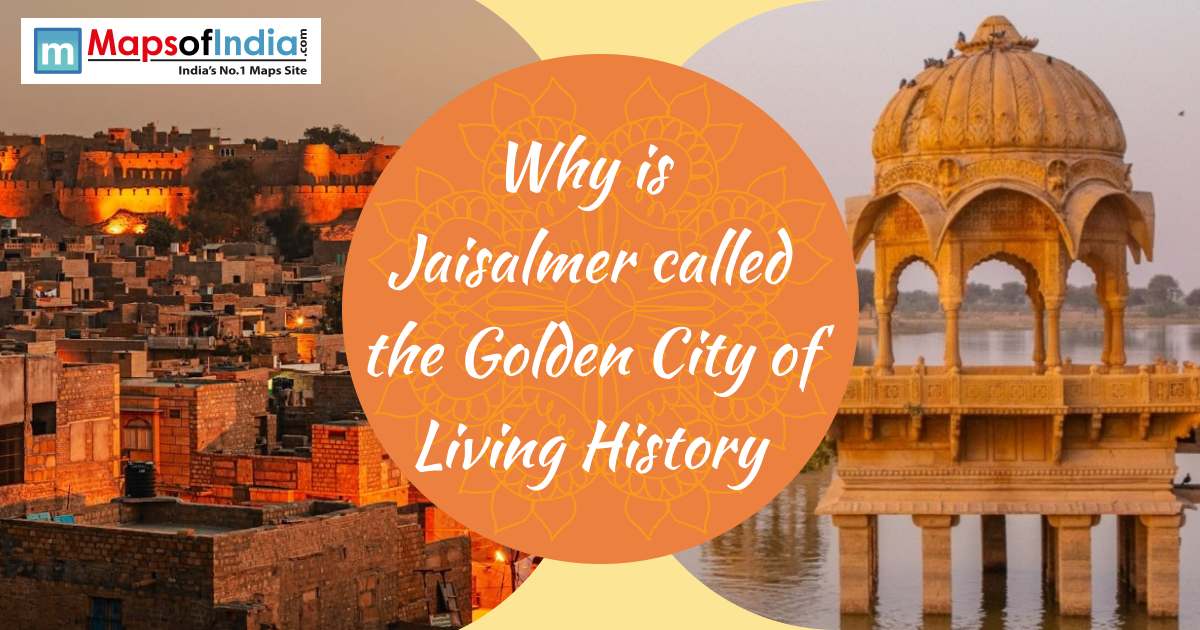
Rising without a sound from desert waves, Jaisalmer appears only once it fills your view. Built from rock-like cooled gold, the whole place rests deep in the dune sea. When dawn arrives, the fortress begins to shine, ignited by early beams. Sunlight dances across carved wood screens on old houses. Winding lanes drift through family dwellings older than memory. Outside, camel steps echo past stone arches built long ago. Inside the fortress, daily routines carry on without pause. Vendors show hand-stitched scarves alongside tiny objects shaped from silver. History walks these paths, not locked away in cases. Time moves here differently than in those quiet ruins. A city humming under its own rhythm, never still. Much like untouched gold leaf from an old Indian era.
The Golden Sandstone That Shapes The City
Golden Rock forms a backbone under Jaisalmer. From nearby cuts, builders pull stone rich in iron. That mineral paints walls with soft fire when light leans close. As day begins or ends, the old fortress and homes seem lit by hidden flames. Outside heat hits hard past 45°C, yet these sandstone homes keep interiors calm. Walls built wide, while window gaps stay narrow, coolness stays locked within. Patterns carved into outer surfaces hold their shape for generations. Stone surface changes slowly, gaining depth instead of wear, much like a city draped in gold cloth that only looks better as years pass.
Jaisalmer Fort: A Living Golden Fortress
Inside the old walls of Jaisalmer Fort, life hums along just like it did centuries ago. Rising in 1156 on a yellow hill, Rawal Jaisal’s stronghold isn’t frozen in time; it breathes. While many Indian forts turned silent, this one stayed awake. Homes cling to their stone paths, where cooking fires flicker and kids dart past stalls. Spices pile high in tiny shops along alleyways that twist without warning. Daily routines unfold between ancient stones, unbothered by history’s weight. Away beyond the entrance, Jain temples glow under mirror patterns alongside stone cuts like those at Dilwara. The place called Sonar Kella gets its name because sunlight sticks to gold-washed walls. When evening falls, light spills from the top of old ramparts, turning rooftops below into shades of burnt honey. Not just ruins, this spot still breathes, lives, remembers, much like castles that grew older but kept their heartbeat.
The Grand Houses of Jaisalmer
Haveli of Patwon stands out above the rest. Built in stages from 1805 to 1855, five homes link together. Latticed stone windows let air move through without giving sight inside. Because of inner yards, temperatures drop on their own. Salim Singh’s mansion climbs upward, much like the front of a sailing vessel. One brother shaped his part of Nathmal ki Haveli alone. The other did the same on the opposite side. Still, both sides match like reflections in water. On one wall, elephants stand tall in stone carvings. Nearby, dancers twist mid-step, caught forever in rock. Gold-tinged sandstone holds every detail without fading.
Gadisar Lake Sustains Life Through Seasonal Waters
Fresh water gathered at Gadisar Lake long ago kept a whole town alive. A ruler named Maharawal Gadsi Singh had it made back in 1367. Around its banks sit temples along with raised pavilions. Tiny islands hold quiet shrines where holy men once stayed. Floating on the water, morning light paints everything gold. As day slips away, wings appear, birds arriving in loose groups. Quiet boats move without sound over the smooth skin of the lake. The old rhythm stays alive, mirroring towers and streets in shimmering silence.
Thar Desert and Sam Sand Dunes
More than forty kilometres beyond Jaisalmer, along a dusty road, is where the Sam Sand Dunes are. Under an endlessly blue sky, the golden sand is drying in the wind. As the sun sets, the camels can be seen climbing the ridges that nature has made over time. Once the night has come, the small camps will be like little stars in the sky when viewed through the flickering light of the lanterns. Some people are playing the sarangi, and at the same time, others are playing the morchang as they also tap out the rhythm. The spinning dancers are spotted in bright ghagra and choli costumes. Above them, stars seem so close that they are almost touching their skin. It is very similar to a walk along the dunes that are endless, sun-baked dunes without a boundary.
Jain Temples Within The Fort
Seven Jain temples sit within Jaisalmer Fort, rising slowly from the 12th into the 16th century. Walls and ceilings wear lace-like marble patterns, shaped by quiet hands. Tirthankara statues, calm like those at Dilwara, rest in stillness. Light dances through mirror mosaics, shifting with each passing hour. Leather does not enter these halls, kept away by old respect. Morning after morning, priests follow routines passed down without pause. Golden sandstone wraps around them all, hollowed out drop by patient drop.
The Golden Architecture Style
Stone of a warm yellow builds every home, its walls filled with lace-like gaps. Rising above, domes rest at roof corners like quiet guests. Outward stretch the windows, many holding narrow balconies near tall residences. Carved creatures move across surfaces, elephants step just beneath wings in motion, while dancers coil mid-leap. Breeze slips through ornate cuts that keep gazes out. Above the empty space, the weres stop short at the castle walls. Shaped oddly, the city looks like a single piece of golden art.
Living Heritage Meets Modern Challenges
Inside the fort, thousands continue to live. Life moves through tight pathways every single day. Money comes from visitors, though that adds strain. Keeping old parts safe happens alongside regular use. Too many people weaken buildings slowly. Not enough water shows up again and again. Out here, people keep old ways alive. Much like a story passed down, it shifts shape to stay true.
Why Jaisalmer Still Stands Out
Light spills from windows, and stories echo through alleys. Stone walls breathe warmth, while time slows near courtyards built long ago. Real lives shape the streets, not performances. Homes stand as they did centuries back, unchanged by trends. Culture flows like water here, quiet but constant. Travellers carry something different away, though few name it exactly. A place holding its breath, yet fully alive.