
Near Puri in Odisha sits a village – quiet, vivid, full of breath. Raghurajpur isn’t just seen; it’s felt, one home at a time, where walls speak through colors instead of words. Each resident shapes legacy with their hands, turning routine into rhythm. It holds claim as India’s pioneer craft-centred heritage spot, packed tight with raw imagination. Known widely for Pattachitra art, this place doesn’t perform culture – it grows from it.
The Rise of a Heritage Village
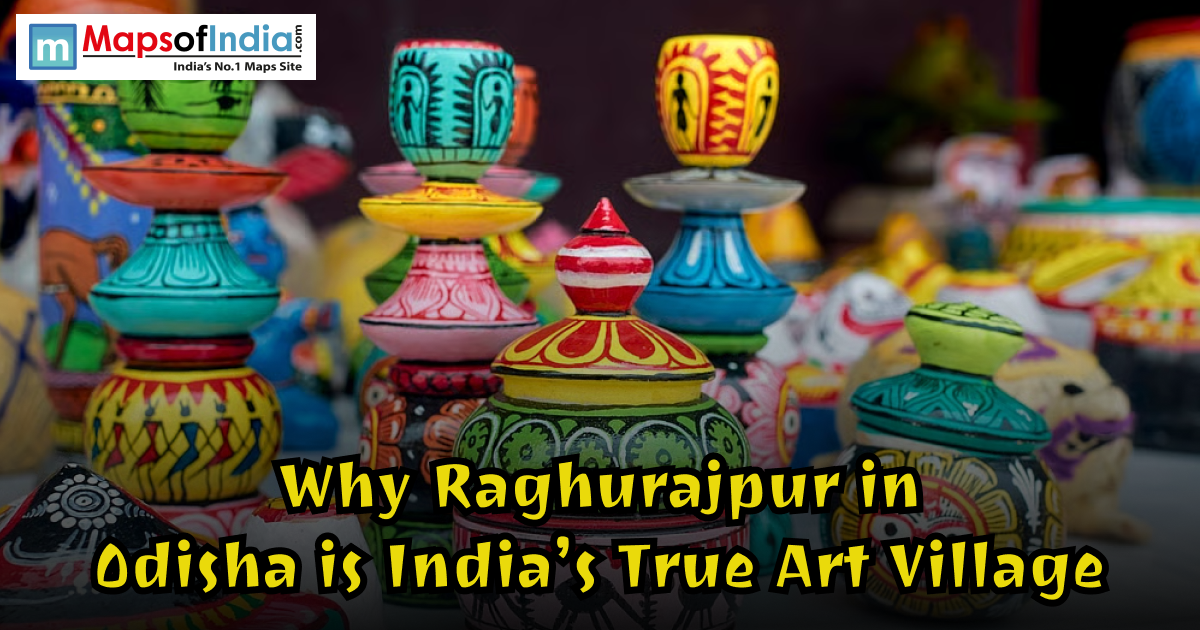
It wasn’t until Raghurajpur got labelled a heritage craft spot in 2000 that people really started noticing it. Still, its art traditions stretch way deeper into history. For generations, skilled makers here have crafted classic paintings, handmade goods, or carved figures right from their homes. Efforts to protect this legacy came through local culture groups pushing changes, turning streets into living exhibits along the way. Right now, stepping onto those tight pathways feels like slipping into another era. Each home is covered in bright wall art and patterns, so the entire place feels like one massive canvas bursting with colour and energy.
The Art of Pattachitra
The major source of Raghurajpur’s pride is its Pattachitra pieces of artwork. “Pattachitra” is derived from Sanskrit – “Patta” signifies cloth, and “Chitra” means picture. These are highly detailed hand-drawn scrolls that illustrate the religious stories from Hindu mythology, more of the fables of Lord Jagannath, Krishna, and other gods. This art form goes as far back as the 12th century and is deeply rooted in the customs of the Jagannath Temple in Puri. The artists, called Chitrakars, rely on the natural colors that are derived from minerals and organic matter.. Every work is minute, lively, and full of symbols.
A Village Where Every Wall Speaks
Raghurajpur is not like any other common village. The houses of the village are all painted with bright and cheerful designs – peacocks, flowers, mythological scenes, and geometric patterns. Apart from beautifying the houses, the murals also serve the purpose of narrating the stories. The residents are extremely passionate about their art and are always eager to ensure that innovation does not die in their lineage. Even the walls, doors, and courtyards are considered the creative spaces of the artists. The combination of art and way of life is what makes Raghurajpur special.
The Legacy of Gotipua Dance
Raghurajpur’s famous for shaping Gotipua dance – a tradition that helped spark Odissi, among India’s key classical dances. Called “single boy,” Gotipua features young lads costumed like girls dancing with light, floating moves. They act out deep tales of love and faith tied to the gods Jagannath and Krishna. You’ll find several akhadas here – training spots where locals keep teaching these routines today. Mixing different arts, whether seen or staged, gives this town its own quiet cultural pulse.
Natural Colors and Traditional Techniques
One standout feature of Raghurajpur’s artwork is that it relies entirely on stuff found in nature. Colors come outta stones, shells, even plants – no chemicals here. Take white – it’s crafted from powdered conch shell bits. Red shows up through geru, a local earthy pigment. Yellow pops in thanks to turmeric root. Black gets cooked up using charred coconut husks. Brushes aren’t store-bought – they’re rigged together with animal fur or scraps of split bamboo. This eco-friendly method adds a deep, natural color to the artwork – something today’s synthetic dyes just can’t reach.
Cultural Significance of Raghurajpur
Raghurajpur’s artwork grows out of Odisha’s faith and everyday traditions. Due to this link, lots of work done by them goes to the ceremonies at the Jagannath Temple. These beautiful artworks also show scenes from ancient tales in their artworks. Although small, things like masks or handmade toys still hold sacred value. This link between creativity and belief wraps the village in something holy. You feel it through how folks make things – how they move through life with focus, driven by deep commitment.
Revival and Recognition
In recent years, Raghuram Pur has become famous across India and overseas. There are many efforts being made to preserve culture here, like basic facilities are being improved, while tourism is growing here. There are many events organised here, like art shows, live demos, and hands-on classes, which bring wider awareness to what residents create here. Visitors arrive from different countries wanting to watch creators in action or pick up unique items made by hand. Slowly, this place turned into proof that old traditions don’t fade if people support them wisely.
Art and Tourism Together
Tourism keeps Raghurajpur running – folks head to Puri, then swing by this bright little spot. Locals open doors, letting people watch them paint while sharing old stories behind the art. When you purchase straight from the maker, it means honest pay lands right where it should. The moment hits close to home, yet opens up new views. For those on the move, this village isn’t merely a place to see – instead, it pulls you straight into the heartbeat of real Indian life.
The Global Reach of Raghurajpur’s Art
Nowadays, Raghurajpur’s artwork travels far beyond its roots. These pattachitra pieces make their way into overseas exhibits or end up in private hands abroad. You’ll spot them popping up in clothing lines, room accents, or online creations, too. Still, despite reaching worldwide audiences, the heart of this tradition stays just like it always was. Every item keeps the maker’s mark, along with Odisha’s soul. Thanks to its growing name, locals now find fresh chances, also a quiet confidence is rising in the village.
Festivals and Celebrations
The village buzzes when festivals hit, particularly the Pattachitra Mohotsav. Every year, the gathering happens here that shows local art through displays, music shows, or hands-on sessions. Tourists can chat with makers, seeing how detailed work unfolds step by step. Such moments knit people tighter while pulling in fresh fans to the tradition. It shows – Raghurajpur’s imagination isn’t stuck; it shifts, evolves, finds new shape.
Challenges Ahead
Despite shrinking markets, folks in Raghurajpur still craft by hand – though cheap factory copies flood shops everywhere. Still, local groups team up with officials who push sales online or via fairs now and then. Ads on phones and buses nudge buyers toward real handmade pieces instead of plastic knockoffs. If aid keeps coming at this pace, younger hands might carry these arts forward without fear.
Why Raghurajpur Stands Apart
What sets Raghurajpur apart isn’t only about making art – here, art breathes on its own. Beauty spills from every nook, tied deep to custom and heart. People work like one big workshop, since each home adds its touch to who they are together. This spot shows old ways don’t need glass cases – instead, they grow through doing, feeling, passing it along.