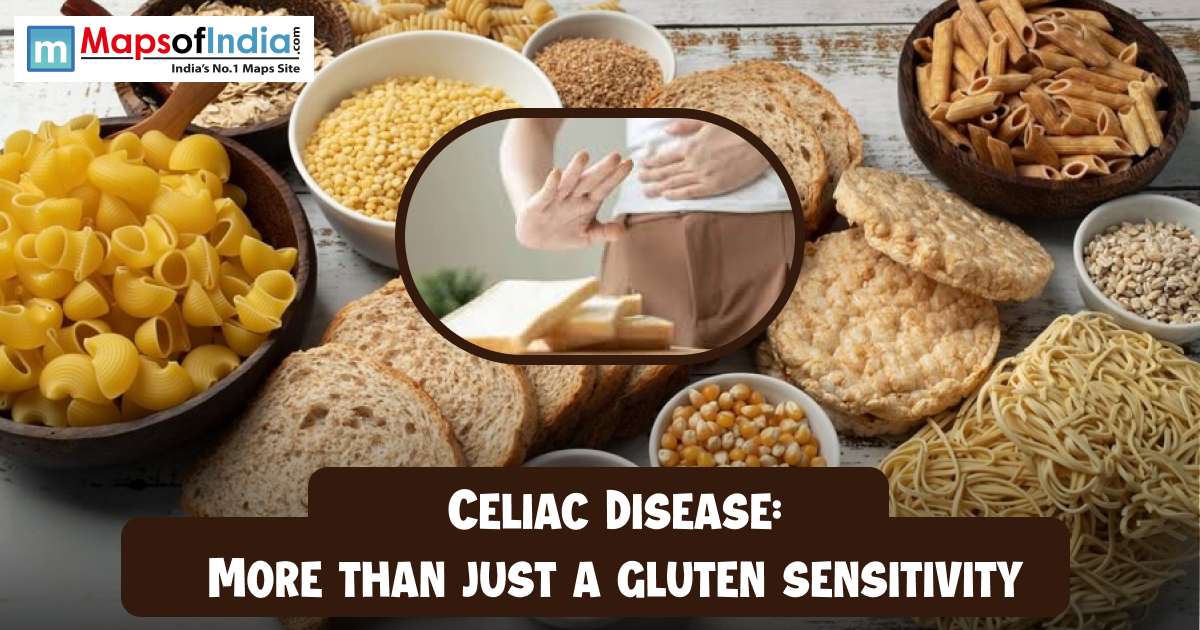
Celiac Disease: More Than Just a Gluten Sensitivity
Abhishree Sharma January 7, 2026
Celiac disease, People mix it up with basic food issues all the time. Some believe it’s only about reacting badly to gluten. Nope, that’s too shallow. Actually, it's a body-turns-in-itself kind of problem. Hits right at the small intestine, causing deeper trouble. When someone who has celiac disease consumes gluten, their body's defence system kicks in. That response harms the inner wall of the gut. Because of that damage, nutrients aren't taken in well, causing various issues.
What Is Celiac Disease
Celiac disease sticks around for life. It's an autoimmune issue. Gluten sets it off. That’s a protein in grains like wheat, barley, or rye. In people dealing with this, gluten sparks the immune system once it hits the small intestine. That response goes after intestinal tissue by mistake. The damage lands on villi, tiny finger-shaped parts lining the gut. Since those villi handle nutrient uptake, their harm slows absorption. If they're harmed, the body struggles to take in vitamins, plus essential minerals, so celiac's no minor issue. Unlike gluten sensitivity, it actually injures the gut lining. Without care, this disorder might trigger lasting health problems.
How the Immune System Reacts
The immune reaction in celiacs isn't like normal ones. Rather than going after germs, it attacks the person's own tissues. As gluten gets broken down in the gut, the body treats it like an invader. That triggers swelling. Swelling then damages the tiny fingerlike structures called villi. Every time someone eats gluten, this process kicks off again. Eventually, poor nutrition sets in. Though someone consumes good meals, their system fails to take in the nutrients effectively.
Symptoms That Go Beyond the Gut
Some folks believe celiac just messes with your gut. Yet signs might show up almost anywhere in the body. Typical belly issues Think bloating, gas, loose stools, trouble pooping, tummy aches sometimes shedding pounds. Still, plenty of those affected don’t get any gut problems whatsoever. Some folks feel tired, get headaches, or turn pale from low iron. Others notice sore joints, weird skin patches, sores inside the mouth, and maybe shifts in mood. Kids might grow slowly, act fussy, hit puberty late, or struggle with teeth issues. With such a mix of signs, spotting this illness gets tricky. A number goes on for ages without realising something’s off.
Why Diagnosis Takes Time
Celiac disease signs can look like lots of different health troubles. Some folks might hear it’s IBS, low iron levels, or gut issues tied to pressure and tension. Blood checks help spot certain proteins made by the immune system. When that lab result comes back flagged, a small gut tissue sample usually follows. This shows if the villi are hurt. One issue is that the person still needs to be consuming gluten when tested. When gluten’s skipped ahead of time, results might look fine.
Difference Between Celiac Disease and Gluten Sensitivity
Some folks feel off after eating gluten, yet it’s not an immune attack. Instead of triggering self-harm in the body, this reaction just brings symptoms like gas or low energy. Even so, their gut lining stays normal. But celiac disease that one slowly wrecks your insides when left unchecked. Some folks might end up with immune system troubles, weak bones, or trouble having kids. Because of this, spotting the right condition matters a lot.
Genetic Factors
Celiac disease runs in families. Those affected usually have specific genes. While these genes don’t trigger the illness directly, they raise the risk. When one close relative has it, testing others makes sense. Spotting it early can avoid future health issues.
The Role of Gluten in the Body
Gluten’s a type of protein that makes dough stretchy. Found in items like bread, pasta, desserts, baked treats, grains, or ready-made meals. Most folks digest it just fine. But if you’ve got celiac disease, it acts like poison. A tiny bit of gluten might spark an immune response. That’s exactly when cutting it out completely becomes the sole solution.
The Gluten Free Diet
The primary way to manage celiac disease is by sticking to a gluten-free eating plan forever. No drug can fix it. Instead of regular grains, people avoid wheat, barley, and rye, along with anything cooked using them. Plenty of common items have gluten tucked away inside. Think sauces, soups, treats, stuff like packaged meals. Check the packaging, it’s key. You can find non-gluten picks almost anywhere these days. Healing could last months or stretch way longer if things were bad.
Challenges of Going Gluten Free
A gluten-free way of eating might feel tough in the beginning. Lots of everyday items include gluten without you realising. Grabbing meals away from home gets tricky. If GF dishes touch tools or counters used for normal food, they’re no longer safe. Mixups happen fast. Hanging out with friends or going on trips. That means thinking ahead. Some folks might find it tough at first. Still, once you pay attention and get used to it, avoiding gluten gets simpler. These days, plenty of eateries serve food without gluten. Besides that, lots of families cook meals carefully at home.
Living Well With Celiac Disease
Those who have celiac disease stay well by eating the right foods. When gluten’s gone, people feel more energetic. Their digestion works better over time. The body starts taking in nutrients as it should. Seeing a doctor now and then keeps track of progress. Some folks might require extra nutrients when they’ve lacked food quality earlier. Yet support circles or web chats can make a difference by sharing meal ideas, tips, plus motivation along the way. Because of this, shifting habits feels less tough.
Understanding Hidden Sources of Gluten
Plenty of folks believe gluten’s just in bread or pasta. Yet it shows up where you’d never guess. Think soy sauce, dressings for salads, blended spices, chocolate bars, and sometimes pills, too. Always go through labels step by step. Gluten-free tags guide better picks. Knowing where it hides avoids unwanted contact.
Celiac Disease in Children
Youngsters who've got celiac often act differently from grown-ups. Some might get loose stools, gain less weight, feel moody, or look puffy. Height can seem off compared to peers. Spot it quickly, feed them right, and improvement usually follows without delay. They develop stronger while keeping energy up. To prevent gluten contact, grownups need to check cafeteria food, munchies, plus party desserts.
Conclusion
Celiac disease isn't simply trouble with gluten. It's an intense immune reaction demanding constant attention. Left unchecked, it messes up your gut, weakens defences, slows development, plus harms future wellness. Yet thanks to knowledge, correct testing, along with cutting out gluten, folks manage well and feel great. Getting the facts lowers risks down the road. Life gets simpler for people dealing with this daily. Picking smart choices helps control celiac, especially if you keep focusing on recovery.