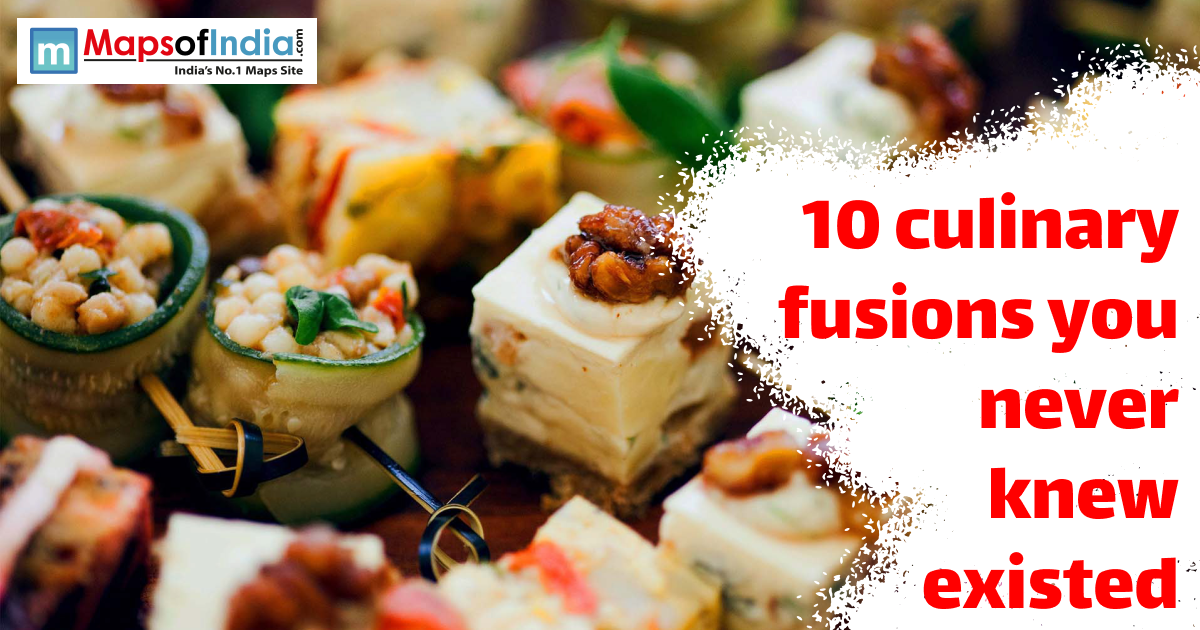
Food fusion is a phenomenon that excites the most and is one of the wonderful revolutions in the world of gastronomy. The basic idea of the technique is to take the flavours and methods of one culture and fuse them with another, thereby creating a new, innovative dish. Today, these fusions are the reflection of one’s creativity, global influences, and changing food trends. Though some combinations, such as Indo-Chinese and Tex-Mex, are commonly known, there are many lesser-known delicious fusions that will surprise you.
Nikkei Cuisine Japanese And Peruvian Fusion
Nikkei cuisine is a really great combination of two countries that are way apart, Japanese cuisine with which is mixed with the local ingredients of Peru. This is a story of immigration. When Japanese immigrants came to Peru, it was difficult for them to adjust, so they started mixing their cooking with their way of cooking. These fusion dishes were made with seafood, citrus, and soy-based seasoning. Tiradito and sushi are commonly prepared with Peruvian spices. This is a common example.
Texan Korean Barbecue Fusion
The flavours of Korean barbecue have been successfully combined with the grilling traditions of Texas. Using this fusion, you will find the use of gochujang marinades, Korean side dishes, and American smoked meats. Kimchi tacos and Korean brisket sliders are the most commonly heard of and loved of these kinds of dishes. The end product is very flavorful with a rich combination of spicy, smoky, and deeply satisfying notions.
Indian Mexican Fusion
The fusion of Mexican and Indian cuisines is one of the very few that understand so well the use of spices and heat. These two different cuisines have many shared characteristics that make it easier for them to combine. They use strong flavours, grains, and vegetarian options in their cooking. There are various popular dishes, such as paneer quesadillas, naan tacos, and butter chicken burritos, which are famous among foodies.
French Vietnamese Fusion
The French influence in Vietnam is the reason for the arrival of a unique fusion cuisine. French techniques merged perfectly with Vietnamese herbs and flavours. That made it easier for the baguette to become the vehicle for the famous banh mi. Famous dishes like pastries, coffee, and soups are some commonly prepared items that show this lovely blend of delicacy and freshness.
Middle Eastern Latin American Fusion
This fusion combines the spiciness, warmth, and earthiness of two very different food universes. Both Middle Eastern and Latin American cultures use lentils, beans, fresh herbs, and grilled meats not only as common but as the basis of the rest of their dishes. Inventive foods such as shawarma tacos, falafel arepas, and chimichurri hummus are the most accurate representations of this fusion. Shawarma tacos link the meat with the Latin-style tortillas, while chimichurri hummus, being an incredibly light and refreshing version of a classic dip, helps in adding to the often unexpected harmony of the Middle Eastern-Latin culinary fusion.
Nordic Asian Fusion
Nordic Asian fusion is all about the attributes of simplicity, purity, and equilibrium. What differentiates this duo is the use of natural foods, fermenting, and the least possible seasoning to bring out the original flavours. Things that are commonly prepared in Nordic countries, like seafood, grains, and root vegetables, these things are easier to combine with Asian spices and methods like pickling, steaming, or umami seasoning by chefs. This trend is gaining popularity across various fine dining places.
Caribbean Indian Fusion
The Caribbean Indian fusion is not only delicious but also rich in cultural and historical origins. The two cuisines have been affected by migration and hence have many similarities, including a fondness for spices and methods of slow cooking. Indian curries, roti, and chutneys that were introduced in the Caribbean have now adapted to the use of local ingredients such as plantain and jerk seasoning. The likes of Trinidad doubles and curry goat are the best examples that demonstrate the vibrant link between the two amalgamations. The mix is full of warmth, vividness, and the soulful energy that are the attributes of both these cultural heritages.
Italian Korean Fusion
The Italian Korean fusion cuisine has become trendy very chiefly because the two taste components attract each other and are pretty bold. This fusion uses the best of the comforting Italian food and adds the spicy and fermented notes that are typical of Korean dishes. Among the inventions that have gained the highest popularity are gochujang pasta, kimchi risotto, and bulgogi pizza. The chefs counterbalance the spiciness and the umami taste of Korean ingredients with the creamy and well-known taste of the Italian classics.
Singaporean Western Fusion
With a past of being a cultural melting pot, Singaporean cuisine is very amenable to Western flavours. This culinary fusion brings together the irresistible local flavours with the Western culinary techniques and presentation. Some of the popular dishes are laksa pasta, chilli crab pizza, and kaya croissants. None of these creations is just fiery and fragrant Southeast Asian staples brought back, but also getting trendy and gaining global appeal simultaneously. The final result is a delicious and trendy dining experience that is equally attractive to the locals and tourists.
Hawaiian Japanese Fusion
Hawaiian-Japanese fusion is a good example of the use of a combination of seafood, rice, and fresh local ingredients. Poke bowls are a perfect representation of this fusion as they bring together Japanese marinades with tropical produce. Spam musubi is likewise a good instance of the Japanese impact, which has been converted into a Hawaiian favourite. The fusion offers the light, fresh, and very satisfying meals that perfectly suit the island way of life.
Why Culinary Fusion Matters
Culinary fusion is a good example of the way food changes with travel, cultural connectivity and global impact. It is a source of creative energy that is never-ending and very often the result of teamwork between chefs in restaurants and people who cook at home. Fusion food more often than not becomes a community and a shared cultural identification mark. They help in establishing a closer relationship among people as they give them the opportunity to try new foods without having to step out of their comfort zones.
Conclusion
Fusion cuisine is an excellent example of how food gets transformed as a result of cultural travelling and the creativity of the chef. These lesser-known culinary blends leave open the door for almost limitless flavour possibilities. Every fusion is an instance of the age-old concept of traditional innovation and shared human experience. Having fusion dishes is an enjoyable way to familiarize yourself with different cultures and broaden your taste palette. It is evidence that food is a universal language that keeps on developing and inspiring all over the world.