 The Agra Famine of 1837-38 was one of the major famines in the pre-Independence era in India. Before this famine struck, the region had been hit with several near-famine and drought situations during 1803–04, 1813–14, 1819, 1825–26, 1827–28, and 1832–33. From the 1830s, a number of other factors had also started to make an impact such as an economic depression that had continued for more than 10 years, possible effects of El Nino, and various ecological alterations. This meant that there was already scarcity in the area and it was basically ripe for the taking. During 1837, the summer monsoons were woefully short in the Doab area between Allahabad and Delhi. The situation was same in the Trans-Yamuna districts as well.
Relief
The relief started to come from the final months of 1837. However, it was only from February 1838 onwards that large scale efforts started to be made to improve the situation. Rose, Deputy-Collector of Cawnpore (Kanpur to be more precise), had stated in a letter written to the then Governor-General of India that even though the relief was short of what was needed, it had alleviated problems to a certain extent and also reduced the number of people fleeing to other regions.
Orissa famine of 1866
The major reason of Orissa famine of 1866 was failed monsoon as well. Just before the famine there had been a drought and this affected the common people who depended on the rice crop for their sustenance during winters. Apart from the fact that in 1865 rainfall was scanty, it also stopped much before time. The administrative mistakes by Bengal Board of Revenue only exacerbated the situation. They had gone wrong in their calculations of people who needed help and falsified price lists only misled them. This meant that food reserves were much less than needed.
Relief
The colonial government attempted to provide relief by importing around 10,000 tons of rice but the rice could not reach people before 1866 because of bad weather that stopped ships carrying rice from moving inland into Orissa. The heavy rains of 1866 also added to the problems even as a lot more people died owing to diseases such as cholera and malaria than they did because of starvation. In 1866, around a million people died in Orissa, which was one-third of the state’s the-then population. However, in the eastern coast of India, the region above Madras, 4-5 million people died in the two years.
Indian famine of 1896
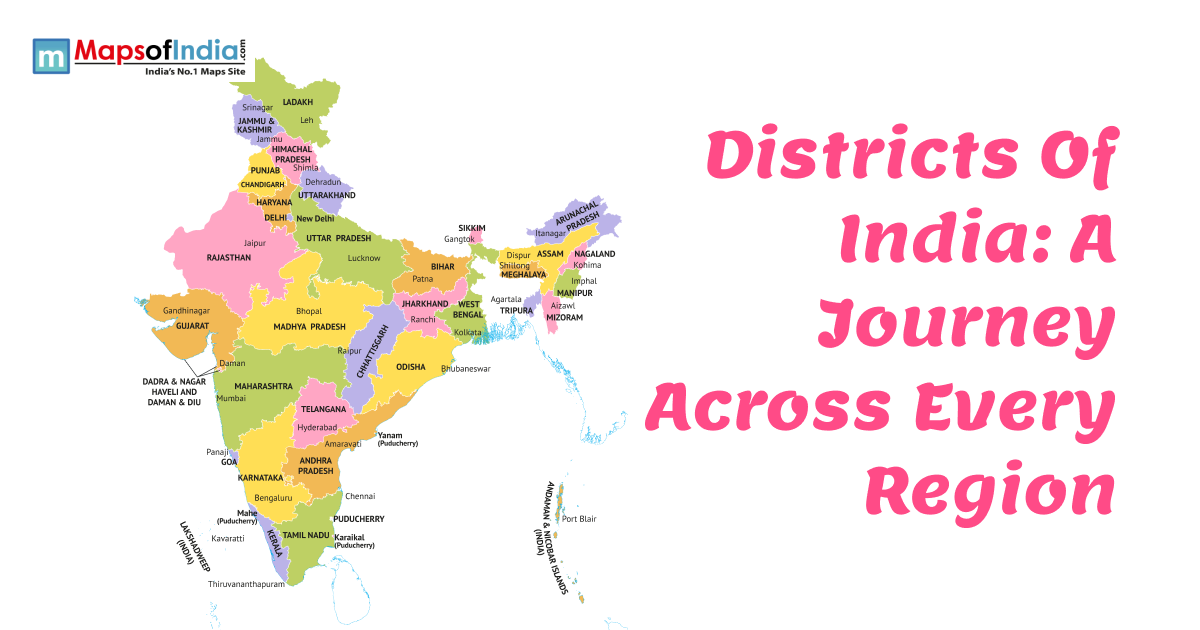
The Indian famine of 1896 had started in Bundelkhand in the early parts of the year. The region had already suffered drought during 1895 autumn because of the woefully-inadequate summer rains. After the shortage of winter rains a famine was declared in early 1896 by the provincial government. It also started to gather relief. The summer rains failed again in 1896 and soon the famine spread to United Provinces, Berar, and Central Provinces. Certain parts of Bombay and Madras Presidencies were affected as well, apart from Bengal, Upper Burma, Punjab, and princely states such as Rajputana, Hyderabad, and Central Indian Agency.
Relief
In keeping with the Provisional Famine Code of 1883, authorities had organized relief for 821 million units. Approximately INR 72.5 million were spent. The government also remitted revenue worth INR 12.5 million and loans to the tune of INR 17.5 million were provided. A charitable relief fund was also set up and it managed to garner INR 17.5 million. INR 1.25 million was collected in Britain itself. However, in spite of the best efforts there was significant loss of life. Around 7.5-10 lakh people lost their lives in British territories alone.
Indian famine of 1899-1900
The Indian famine of 1899-1900, the last of its kind to have happened in India, started primarily because the summer monsoon failed in 1899 across central and western India. In fact, during the famine of 1896-97 as well Central Provinces and Berar had been badly affected. However, 1898 and the first part of 1899 had been good enough with sufficient rainfall and decent agricultural activity. The situation reversed after the summer monsoon failed in 1899. The prices rose rapidly and the kharif harvest of autumn season failed badly. The places most affected were:
The Agra Famine of 1837-38 was one of the major famines in the pre-Independence era in India. Before this famine struck, the region had been hit with several near-famine and drought situations during 1803–04, 1813–14, 1819, 1825–26, 1827–28, and 1832–33. From the 1830s, a number of other factors had also started to make an impact such as an economic depression that had continued for more than 10 years, possible effects of El Nino, and various ecological alterations. This meant that there was already scarcity in the area and it was basically ripe for the taking. During 1837, the summer monsoons were woefully short in the Doab area between Allahabad and Delhi. The situation was same in the Trans-Yamuna districts as well.
Relief
The relief started to come from the final months of 1837. However, it was only from February 1838 onwards that large scale efforts started to be made to improve the situation. Rose, Deputy-Collector of Cawnpore (Kanpur to be more precise), had stated in a letter written to the then Governor-General of India that even though the relief was short of what was needed, it had alleviated problems to a certain extent and also reduced the number of people fleeing to other regions.
Orissa famine of 1866
The major reason of Orissa famine of 1866 was failed monsoon as well. Just before the famine there had been a drought and this affected the common people who depended on the rice crop for their sustenance during winters. Apart from the fact that in 1865 rainfall was scanty, it also stopped much before time. The administrative mistakes by Bengal Board of Revenue only exacerbated the situation. They had gone wrong in their calculations of people who needed help and falsified price lists only misled them. This meant that food reserves were much less than needed.
Relief
The colonial government attempted to provide relief by importing around 10,000 tons of rice but the rice could not reach people before 1866 because of bad weather that stopped ships carrying rice from moving inland into Orissa. The heavy rains of 1866 also added to the problems even as a lot more people died owing to diseases such as cholera and malaria than they did because of starvation. In 1866, around a million people died in Orissa, which was one-third of the state’s the-then population. However, in the eastern coast of India, the region above Madras, 4-5 million people died in the two years.
Indian famine of 1896
The Indian famine of 1896 had started in Bundelkhand in the early parts of the year. The region had already suffered drought during 1895 autumn because of the woefully-inadequate summer rains. After the shortage of winter rains a famine was declared in early 1896 by the provincial government. It also started to gather relief. The summer rains failed again in 1896 and soon the famine spread to United Provinces, Berar, and Central Provinces. Certain parts of Bombay and Madras Presidencies were affected as well, apart from Bengal, Upper Burma, Punjab, and princely states such as Rajputana, Hyderabad, and Central Indian Agency.
Relief
In keeping with the Provisional Famine Code of 1883, authorities had organized relief for 821 million units. Approximately INR 72.5 million were spent. The government also remitted revenue worth INR 12.5 million and loans to the tune of INR 17.5 million were provided. A charitable relief fund was also set up and it managed to garner INR 17.5 million. INR 1.25 million was collected in Britain itself. However, in spite of the best efforts there was significant loss of life. Around 7.5-10 lakh people lost their lives in British territories alone.
Indian famine of 1899-1900
The Indian famine of 1899-1900, the last of its kind to have happened in India, started primarily because the summer monsoon failed in 1899 across central and western India. In fact, during the famine of 1896-97 as well Central Provinces and Berar had been badly affected. However, 1898 and the first part of 1899 had been good enough with sufficient rainfall and decent agricultural activity. The situation reversed after the summer monsoon failed in 1899. The prices rose rapidly and the kharif harvest of autumn season failed badly. The places most affected were:
- Central Provinces
- Berar
- Bombay Presidency
- Ajmer-Merwara province
- Hissar district in Punjab
- Rajputana Agency
- Central Indian Agency
- Hyderabad
- Kathiawar Agency
- Bengal Presidency
- Madras Presidency
- North-Western Provinces
| Year of drought | Places affected | Number of people affected |
| 1966 | Bihar and Orissa | 50 million |
| 1969 | Rajasthan, Gujarat, Tamil Nadu, Uttar Pradesh, Andhra Pradesh, Haryana, Karnataka, and Madhya Pradesh | 15 million |
| 1970 | Bihar and Rajasthan | 17.2 million |
| 1972 | Rajasthan, Himachal Pradesh, and Uttar Pradesh | 50 million |
| 1979 | Eastern Rajasthan, Punjab, Himachal Pradesh, and Uttar Pradesh | 200 million |
| 1982 | Rajasthan, Punjab, and Himachal Pradesh | 100 million |
| 1983 | Tamil Nadu, West Bengal, Kerala Rajasthan, Karnataka, Bihar and Orissa | 100 million |
| 1987 | Whole of eastern and northwestern India | 300 million |
| 1992 | Rajasthan, Orissa, Gujarat, Bihar, and Madhya Pradesh | No figures |
| 2000 | Rajasthan, Gujarat, Orissa, Andhra Pradesh, and Madhya Pradesh | More than 100 million |
- Solapur
- Ahmednagar
- Sangli
- Pune
- Satara
- Beed
- Nashik
- Latur
- Osmanabad
- Nanded
- Aurangabad
- Jalna
- Jalgaon
- Dhule