How Old Delhi’s Street Preserve Centuries of History
Vidyut Vardhan March 2, 2026
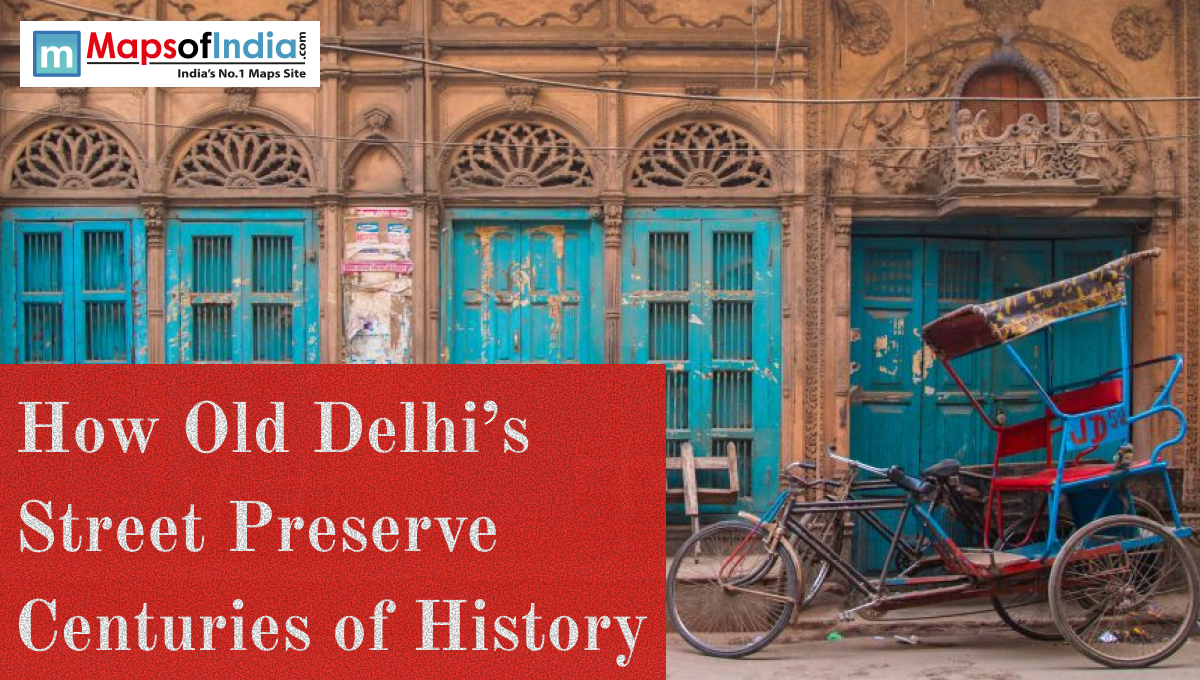
Old Delhi is like a living story of history, where every narrow alley has something to tell. Chandni Chowk continues to be the place where one can still hear the footsteps of the Mughals. The Red Fort stands at one end like a quiet guard. The domes of Jama Masjid can be seen above the densely packed houses. The markets of spices scent the air with a mixture of saffron and cardamom. Food vendors on the street have been frying parathas on an iron tawa for generations. Hawkers call out their prices in rhythmic Urdu. Rickshaws pass by the old mansions. It is a subtle accumulation of eras. The magnificence of the Mughals is accompanied by the order of the colonials and the disorder of the present day. Every nook and cranny is full of stories. Just like a museum without walls that is always open.
Chandni Chowk: A Market Under Moonlight
Back in 1650, Shah Jahan ordered the creation of Chandni Chowk. A broad waterway once ran through it, shimmering at night; this glow gave rise to its name. Now, centuries later, it holds status as one of Asia’s most crowded marketplace lanes. Close to Dariba Kalan, rows of silver vendors line narrow alleys. Bright lights highlight wedding trinkets on display there. Silk traders lay out Banarasi fabric while hanging Phulkari scarves nearby. Spice vendors stack saffron along with cardamom inside burlap sacks. More than half a million people pass through every day. Tight alleyways split off toward places like Katra Ishwar Bhawan and Kinari Bazaar. Old mansions with overhanging balconies remain hidden behind closed fronts. Centuries-old elegance lingers beneath today’s rush, much like it did long ago.
Red Fort Stands Where Mughal Rule Once Held
High above the ground, red stone walls began rising when Shah Jahan gave orders in 1639. Thirty-three meters into the sky they climb, built strong from sandstone. From the Lahore Gate, visitors step through, guided by arches that bend like notes in a song. Crowds once packed the Diwan-i-Aam whenever rulers spoke before common folk. Meanwhile, the Diwan-i-Khas held silence, where only royalty saw the glitter of the lost Peacock Throne. Whispers drift through carved marble screens where royal women once walked. Stories of Mumtaz linger in quiet patterns etched deep into stone. As dusk settles, echoes come alive without warning, voices carried by light and rhythm. High on the walls, banners appear each August fifteenth, rising slowly against old brick.
Jama Masjid Biggest Mosque in India
One ruler started a mosque long ago, finished years later. Top views show three rounded roofs along with tall towers standing out. Space outside fits many people at once, plenty of room to spare. Stone in bright red mixes with pale marble lines for contrast. Quietly, the central fountain mirrors the sky above. Up narrow stairs you go, reaching minarets that stand forty meters tall. Five times each day, the call to prayer rolls through the air. From the southern tower, people rise to see the city spread below. Stone shaped by devotion, a poem built one line at a time.
Paranthe Wali Gali: A Taste of Old Delhi
A thin alleyway began selling parathas back in the 1870s. Along it, six families operate their small eateries next to one another. Iron kadhais sizzle with flatbreads being cooked. Fillings include potato, cauliflower, paneer, or even sweet rabri. The sound of ghee popping fills the air. Instead of tables, people sit on long wooden benches where everyone shares a room without dividing lines. Grandparents chew what grandchildren scoop onto their plates same mix, the same taste, passed down like a routine. Food here does not change; it repeats, warm each afternoon.
Dariba Kalan silver street since Mughal times
Down one lane, names tell stories. Dariba Kalan whispers, "street of silver." Inside tiny shops, gleaming necklaces sit beside spoons, cups, and bowls. Long ago, wives of Mughal rulers walked these cobbles hunting bangles. You'll find dangling earrings shaped like flowers, thick wristbands, and delicate foot chains behind glass. Patterns twisted from fine wires still born by hands, never machines. Generations have worked here, some counting ancestors back past the sixteenth century. Bargaining unfolds with quiet strength. Much like heirloom silver, its glow persists across generations.
Spice Market at Khari Baoli
Through a narrow alley, Khari Baoli hums with life as the largest spice market in Asia. Sacks piled high hold saffron first, later giving way to cardamom, occasionally spilling cloves into view. With each movement, dust rises golden, biting as if breathing through the air. Looking down from higher ground, rooftops unfold beneath you, exposing knots of pathways across ancient Delhi. Down narrow lanes the stairs wedge, slipping under rooftops into low chambers below. Traders shift old brass pieces, counting out cardamom one scoop at a time. Before your eyes catch the burlap heaps, the scent arrives, cumin first, then turmeric, powder staining palms like sunset.
Havelis of Old Delhi
Families of up to a hundred lived under one roof long ago. Light slipped through open yards, and air moved freely because of them. Delicate stone lattices kept eyes out while letting breezes in. Entryways stood firm behind wood-carved gates. Now Haveli Dharampura gleams, carefully brought back to life. Behind closed doors, a few others sag with age. A handful opened as small luxury stays instead. Much like noble homes grown quiet, they murmur tales of long ago.
Street Food Beyond Parathas
Daulat ki Chaat, the scent of which is brought by morning frost, is a winter delicacy only available when the cold air bites. Kulfi is wrapped in earthen cups, which not only let the outer layer melt slowly but also keep the centre thick. Before sunrise, chhole bhature vendors have their fire ready, and the dough is already rising. People come to the place where bedmi puri is frying under the thin layers, which are crisp, and the warm aloo sabzi is steaming.
Preservation Efforts Today
Every so often, INTACH takes time to record fragile havelis in detail. Visitors learn through guided strolls that unfold history step by step. The city authority brings back certain old structures slowly. Local teams clear alleyways on a steady rhythm. Money flows into preservation thanks to traveller interest.
Old Delhi Streets Keep Their Importance
In this part of the city, Mughal elegance brushes against stories torn by Partition chaos. Present-day life hums alongside echoes of what came before. Meals still carry recipes older than cities around them. Belief shapes days just like it shaped ancestors’ years. Hands mould clay the way they did generations back. Time folds into itself on these streets, never pausing long enough to settle.