Sanauli: The 4,000-Year-Old Chariots of Uttar Pradesh
Abhishree Sharma February 22, 2026
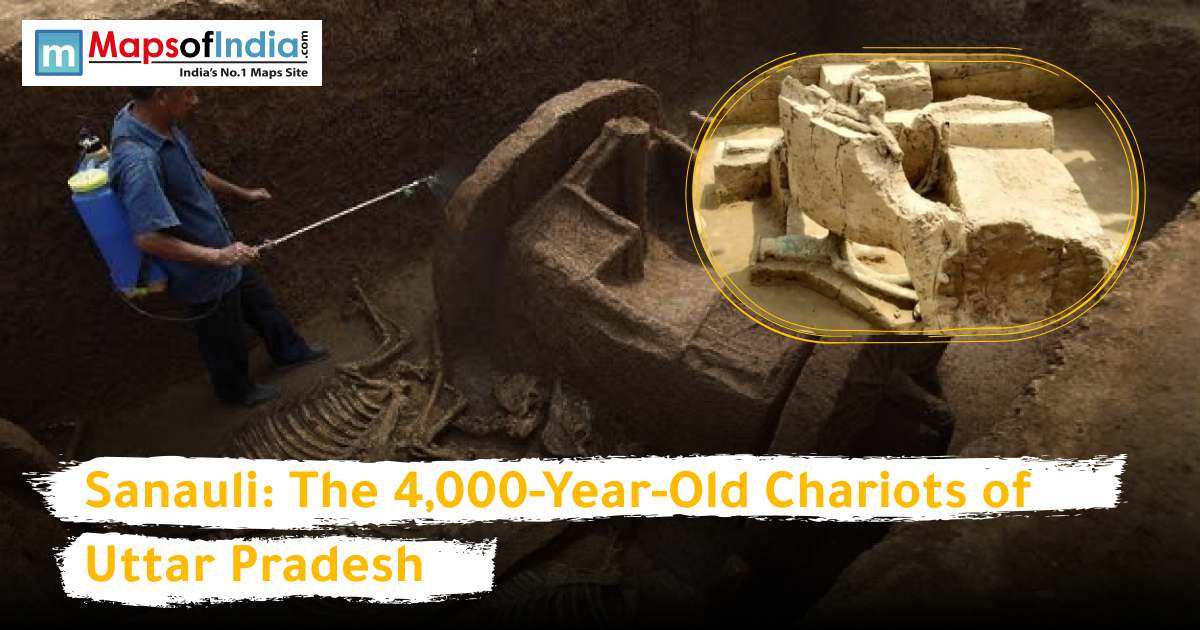
Hidden beneath a farm close to Baghpat lay clues untouched for thousands of years. Back in 2018, routine work turned up ancient burial sites from the Bronze Age. Work led by the Archaeological Survey of India followed a methodical and precise approach. Among the discoveries were tombs believed to belong to nobility, complete with large wooden chariots. Tests using radiocarbon methods dated everything to roughly 2000–1800 BCE. Out of silence came secrets long buried beneath the earth. Not here but far off in India did the oldest chariot frames appear. Each wheel stretched a full two meters across. Held together by copper fittings, the wood refused to crumble. Clear signs of sharp metalwork and steady hands showed up among the finds. Old ideas about when things happened in Indian history got questioned because of Sanauli. A sudden glimpse into ancient lives, far older than we assumed. As if time lifted a veil on what had been overlooked for ages.
Discovering And Digging For The First Time
Something strange kept showing up in fields; farmers talked about odd bronze items for ages. Come June 2018, the Archaeological Survey of India stepped in fast. Leading quietly, Sanjay Manjul guided every move. A full count later revealed 116 graves. Out in the open, three graves caught the eye first. Standing next to each body, there it was, a full chariot, carefully positioned. Nearby, copper swords with antenna-like tips rested close to bone remains. Alongside those, shields together with helmets had been laid down. For months on end, the researchers moved step by careful step. Word of the discovery spread fast through news channels. Football-sized hailstones pummeled rooftops by mid-morning. Sudden fame arrived through cracked earth and camera flashes.
The Chariots' Design Features And Construction
Out of nowhere, the wheels found at Sanauli reach about two meters across. Crafted as solid wood circles, they carry copper braces right where the hub sits. Not often seen, triangular metal bits boost the spokes' strength. Woodwork there points to sharp craftsmanship in ancient times. From the start, careful craftsmanship shows in central hubs through complex wood connections. Lightweight but strong wood builds the chariot box, holding shape well. Bolts made of copper keep everything locked tight across joints. So far, wheels without metal edges remain undiscovered at sites. Buried close by, horse skeletons turn up among human remains. From deep within ancient soil, yoke fittings emerge as proof of draft animals at work. Imagine tools shaped not by chance but skill, carved four millennia past.
Burial Customs And Grave Goods
Inside wooden coffins, bodies rested stretched out. Lined with fabric, the containers offered quiet respect. Ceremony shaped how royals were laid to rest. Symbolic copper helmets covered heads without a practical purpose. Decorated shields showed patterns built from straight lines and angles. Reaching up to one and a half meters, long-bladed swords featured thin extensions like feelers. Position mattered little once Earth closed above. Beside the dead, copper vases appeared along with bowls. Personal ornaments sparkled with semi-precious stones. Carefully positioned near burial sites, chariots waited in silence. This setup hints at a journey beyond death. Much like outfitting rulers completely for another realm.
Radiocarbon Dating And Its Place An Time
Now and then, a fresh sample was tested using radiocarbon methods. Each outcome settled around 2000–1800 BCE without fail. That stretch of time fits neatly into the later years of the Harappan era. Well before the rise of Painted Grey Ware, traditions stood at Sanauli. Wheels rolled into India far sooner than anyone thought. Around 1500 BCE, the Vedic era began, at least that is what textbooks say. But now, chariot tracks show up long before that date. Think four centuries earlier, shifting everything we believed about early transport.
Other Ancient Chariot Discoveries Compared
Out of nowhere, horse-drawn chariots with spoked wheels showed up in what's now Russia - thanks to the Sintashta people. Around that same time, roughly 2000 BCE, these wheeled vehicles began rolling across the steppes. Long before them, though, clunkier carts on solid wheels moved through Mesopotamia. Jump forward a few centuries, and Hittite forces were already using lighter war chariots, as mentioned clearly by the 1600s BCE. Out in the open, Sanauli chariots sit apart from others across the Indian subcontinent. Built here, they carry signs of homegrown skill shaping them over time. Not a single solid clue ties their design straight to Mesopotamia. Much like how wheels took shape on their own in faraway ancient lands.
Advanced Metallurgy Revealed
Out of Sanauli came copper items, striking in their near-pure form. Some pieces mixed arsenic into the bronze, hinting at subtle choices. By then, smelting had known depth, shaped by long trial. Tiny figures took shape through lost-wax methods, delicate, sharp, full of quiet care. Helmets, along with shields, came from careful sheet metal shaping. Sharp joinery holds the chariot frames in place. Tool marks appear clearly, each one a proof of careful work. Handling tough techniques came naturally to makers back then.
Cultural And Religious Insights
Buried items hint at serious plans for what comes after death. Warriors of high rank, maybe royalty, likely rode chariots into battle. Horses found here were probably tamed earlier than thought. Fire pits tied to sacred rites have not shown up so far. Exactly how people worshipped is still a mystery today. Heavy items buried with bodies suggest some stood higher than others. As if time peeled back its layers, grain by grain.
Ongoing Research And New Studies
Right now, the crew digs into every artefact with close inspection. Scientists have started running tests on genetic material. Traces left in bones show what people ate long ago, along with where they moved across lands. Other graves might turn up nearby, hidden just beneath the surface. Maps from space shape where the dig sites will go next. Teams across countries link up more each year. Much like piecing together old clues, one quiet find at a time.
Sanauli's Role In India's Past
A fresh find shifts how we see ancient India's past. Proof shows complicated communities were around far sooner. The presence of chariots might mean the Vedic age started earlier than thought. Scholars and people alike feel a growing sense of pride in their heritage. Footsteps near the area draw more visitors each year. Not just echoes of old times, yet something closer like uncovering a thread long lost between past and present.