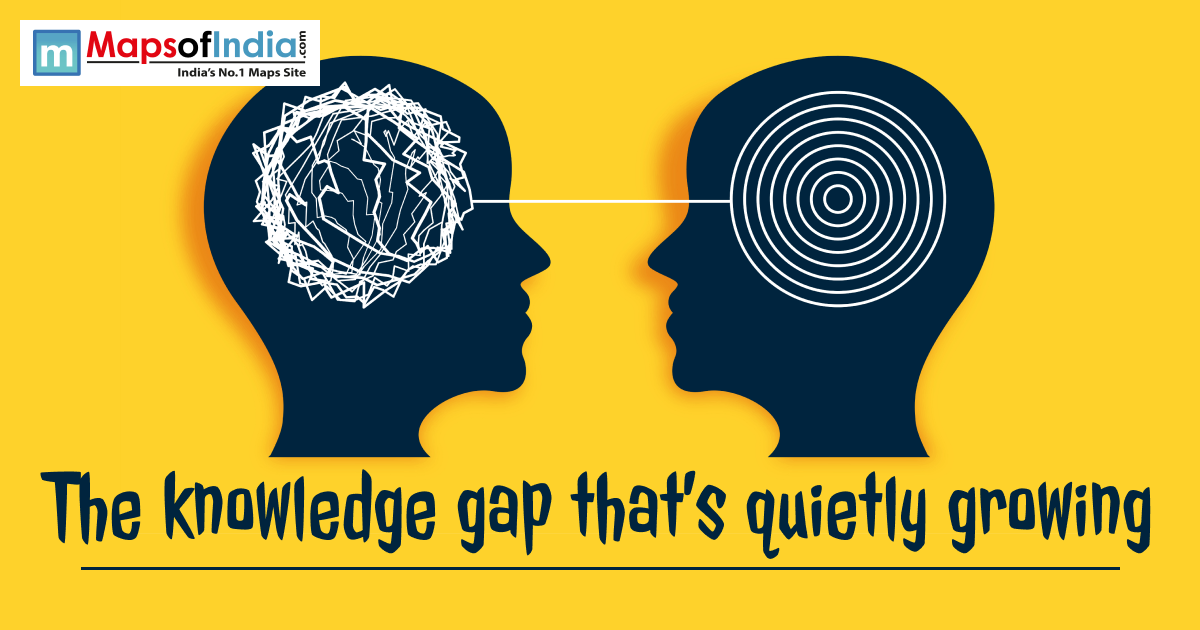
Back then, knowing things seemed fair. With a library pass, nearly anyone could walk through the same gates. School lessons reached each kid just like the others. Those thick reference books stayed quiet on their shelves, ready when needed. Nowhere is growth faster than in how fast facts spread. Still, true clarity pulls people apart in quiet ways. One group finds answers easily; another stumbles through confusion. Machines shape what feels real for each person differently. Schools struggle to keep pace. What worked yesterday fails today. This gap grows without fanfare. Year by year, it deepens like stone worn down where no one notices.
Information Volume Explosion
Every couple of years, the amount of data we have grows twice as large. Day by day, people create more information than they did across hundreds of years before. New videos appear without pause. Studies pile up at a rapid pace. What shows up online never seems to slow down. Slowly, power slips away from old authorities. Too much stuff shows up while good things get harder to spot. Everyone drowns in options but lacks direction. Telling what matters turns into survival gear. Most folks stay clueless about smart ways to sort it. Imagine trying to taste water blasting from a hydrant.
Algorithmic Personalisation Trap
What you click shapes your feed. Over time, platforms catch on fast. You start seeing familiar things again and again. Isolated bubbles grow without notice. Other angles fade into the background. Beliefs get reinforced every single day. Questioning slows down bit by bit. Perspectives are split in quiet ways. Relatives end up reading separate realities. Talking feels harder than before. Two worlds inside one device.
Digital Literacy Divide
Most classrooms stick to typing and browsing. Not many dive into judging where facts come from. Pupils get good at finding stuff online, but seldom stop to doubt what they find. Lies travel quicker than fixes do. Fake videos trick people who pay close attention. Often, older adults find it harder to spot the fakes. Teens tend to believe what they see right away. Comfort with gadgets doesn’t mean clear judgment follows. Handing out high-tech tools without critical thinking lessons is similar.
Education Systems Still Using Old Methods
Change comes slowly to school lessons while the world moves fast. Still, some classrooms choose memorising facts over understanding them. What kids need next year rarely shows up now. Programming might show once in a while, maybe never. Learning how the media works? Only if the schedule allows it. Pressure of tests pushes deep thought aside. Educators work with tools that feel stuck in the past. Farm towns trail behind. It is like teaching kids from a past era.
Paywalls and Premium Knowledge
Behind paywalls, quality slips away. Each year brings bigger bills for academic access. Reporting that matters? Locked up now. Publishing shifts toward costly digital homes. What's free tends to skim the surface louder than truthful. Insight narrows to those who can pay. Truth slips further out of reach for many. Knowledge begins to feel like something only some can afford.
Language and Culture Differences
Online info mostly speaks English. People who don’t know it lose access easily. Machines translate better now, but still slip up. Meaning fades when words move across cultures. Local wisdom often vanishes before reaching screens. Not much is seen from the global south. Much like books in a tongue few know.
Attention Economy and Shallow Learning
Winning hearts takes just tiny bits of truth. Attention spans have shrunk compared to years ago. Reading a full book these days? Rare. In this style, the deep ideas you have will get chopped into small images. Important points fade without notice. Many stick to what's visible at first glance. Slowing down feels strange now. Like speed counts more than seeing clearly.
Failure in Passing Down Generational Knowledge
Wisdom sticks around when people live long enough to gather it. Yet few young ones bother asking now. Instead of relatives’ tales, screens flash quick clips that disappear fast. Things once passed hand to hand slip away without notice. Learning by doing? Not so common these days. Voices that carried memory fall silent as years go by. One gap leads to another until the thread snaps.
The Illusion of Equal Access
Out here, the internet was supposed to spread knowledge freely. Billions got smartphones faster than anyone expected. Still, not everyone gets good access. Connection speed changes wildly depending on where you are. There are many low-income families, and it's not easy for them to afford a good data plan, to affort data prices take up too much money. When power goes out, studying stops. Fragile things fall apart when nobody fixes them. Much like handing out keys, yet nearly every door remains shut.
Skills Gap in the AI Age
Frequently, machines handle tasks that repeat themselves. The problems facing humans grow trickier by the day. Creative thinking holds weight equal to smart choices. Classrooms continue to train students for careers on their way out. Picking up fresh skills hardly matches the pace of change. Some stay silent while falling further back. Teaching horse-drawn carts now feels odd when cars dominate every road.
Closing the Gap Before It Widens
Before any step forward, there is discovery. Right away, classrooms teach clear thinking. Each learner understands moving through digital worlds. Science without locks spreads wide, ready for whoever searches. Speedy links settle into daily life, reaching even still villages. Elderly folks study together with kids, trading thoughts now and then. Lasting impact beats quick popularity every single time. Secret codes running things should let varied opinions move freely. Educators receive actual support so they can keep skills sharp and nerves steady. Building connections early makes all the difference when storms approach.