

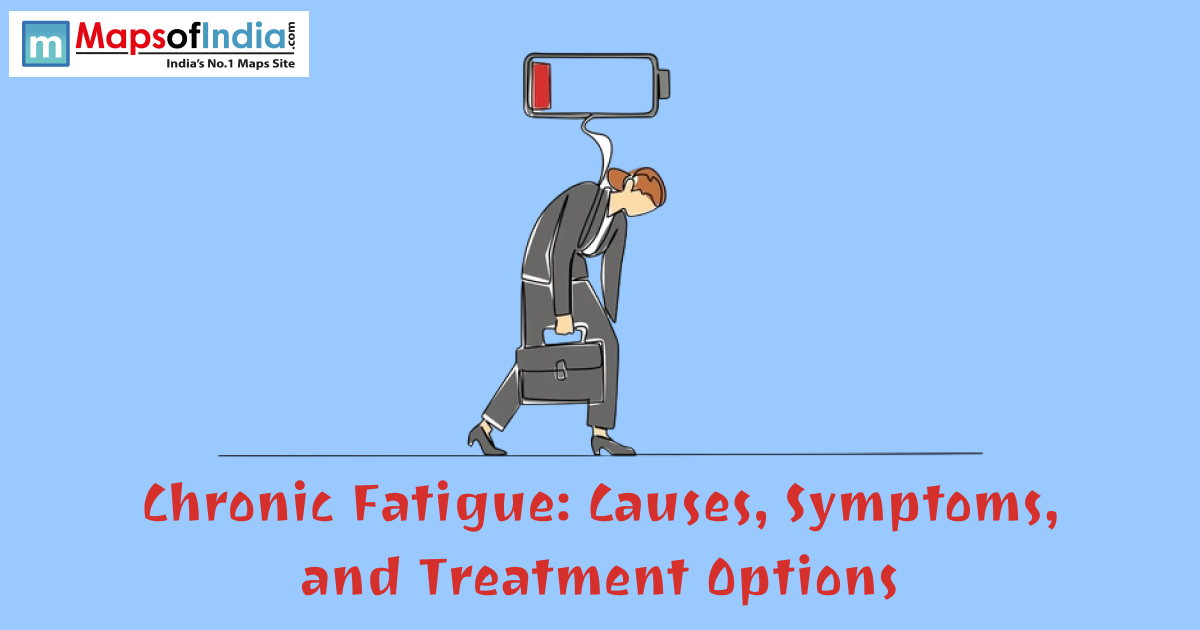
Chronic fatigue isn’t just about being worn out. It’s an ongoing issue causing deep tiredness that won’t go away, even after sleep. This impacts everyday routines, job performance, along mood stability. A lot of folks find it hard to do basic things since their stamina crashes without warning. Long-term tiredness might go on for many months or sometimes way longer. Getting help matters, also following through with treatment.
What Makes Chronic Fatigue Different
Most times, being worn out fades once you nap or chill. But ongoing exhaustion sticks around no matter what. You’re wiped, even if you slept eight hours straight. This drain shows up suddenly, outta nowhere. No tough workout caused it just came on its own. This is why the illness feels confusing to pin down or spot. Yet it messes with focus, recall, and sometimes energy levels too.
Common Causes of Chronic Fatigue
Various things might lead to ongoing tiredness. Not everybody has the same reason behind it. How it shows up changes from one individual to another. Knowing what’s involved makes dealing with signs easier. Below is a list of usual triggers found across several situations.
Immune System Imbalance
Some researchers think ongoing exhaustion is tied to a jumpy or sluggish immune response. If that system gets out of sync, protection drops. As a result, swelling shows up in various tissues. Energy use climbs above normal levels. Eventually, nonstop weariness sets in.
Hormonal Changes
Hormones manage how your body works, like your energy. If cortisol, thyroid stuff, or adrenaline get out of sync, everything feels sluggish. That leads to tiredness and no drive. These hormone troubles can pop up from pressure, gland issues, or other internal system glitches.
Stress and Mental Health
Long-term stress weighs heavily on your head and muscles. If it doesn’t let up, your system keeps running tight. This can burn your fuel faster, leaving you wiped out. You being in the state of constant worry or sadness can also suck the juice from your day. When emotions weigh you down, your body might feel sluggish or drained. That makes it tougher to keep up your energy.
Lifestyle Factors
If you have bad daily routines, that can also lead to the feeling of constant tiredness. If you don’t sleep well, then your body won’t recover properly. Missing food daily can also be harmful. It can drain your strength. Not moving enough makes your system run sluggishly. Too much coffee or sweets messes up how you sleep at night. All these routines pile up, leading to endless fatigue. Eventually, one by one, they start weakening the general well-being.
Symptoms of Chronic Fatigue
Chronic fatigue brings many different issues. Some hit your head, others drag down your muscles. Sometimes they’re there every day, other times, they pop up now and then. Spotting them fast makes dealing with them easier.
Constant Tiredness
The key sign is constant exhaustion. Your energy stays low no matter what. That fatigue sticks around for months, even after sleeping enough. These things can make getting things done or staying sharp tough for you.
Memory and Concentration Issues
Chronic fatigue messes with your head. Some people find it difficult to remember things or feel mixed up. Keeping attention on track is not so easy anymore. A lot of people refer to this haze as mental cloudiness.
Sleep Problems
Many folks struggle with sleep. They might spend hours in bed yet wake up worn out. Falling asleep can be tough for some. Meanwhile, others keep stirring throughout the night. Bad rest tends to drain energy even more.
Headaches and Dizziness
Frequent headaches often show up, too. When energy crashes, dizziness kicks in. This constant feeling will make staying steady or doing a simple task harder.
Sore Throat and Swollen Glands
A struggling immune system can lead to frequent sore throats. Swollen lymph nodes might show up in the neck or underarms. That brings more aches along with low energy.
Emotional Changes
Fatigue messes with how you feel day to day. Irritability, unease, or sadness often pop up. Dealing with endless exhaustion piles on mental strain. That ongoing drain takes a real toll emotionally.
Diagnosing Chronic Fatigue
Folks can’t just take one test to spot chronic fatigue. Instead, physicians check what’s going on by looking at how you feel, your past health, or even your daily habits. On top of that, they make sure it’s not something else, say, low iron, messed-up thyroid, or lingering bugs. Things like blood draws, body scans, or handson checks often come into play. Finding the cause can take a while since tiredness shows up in lots of health issues. Still, spotting a consistent set of signs makes it easier to pin down what’s going on.
Treatment Options for Chronic Fatigue
Chronic tiredness won’t go away overnight. Still, good care helps keep it under control. The idea is to ease problems while boosting everyday living. What works depends on how someone eats, moves, and feels overall.
Stress Management
Keeping stress under control matters. Try meditation or slow breaths, they clear mental clutter. Chatting with a counsellor eases pressure on your emotions. Less tension means better rest plus more daily drive.
Graded Exercise Therapy
Gentle movement gives you more pep. Try walking, or stretching, maybe even yoga works well. Turn up the effort bit by bit. Let your body adjust, no stress involved. Keep at it, endurance gets better.
Cognitive Behavioural Therapy
This treatment supports folks dealing with feelings and thinking patterns tied to their condition. Because of it, irritation drops while handling stress gets easier. At the same time, building better daily habits becomes more doable.
Medication Options
Some people try meds to handle ongoing tiredness. Yet there’s no exact pill for it. A doctor might suggest treatments if you’re struggling with aches, restlessness at night, or stress. Those options can help you feel better day to day.
Support Systems
Hanging out with people who care lifts your mood. When you chat with loved ones or even join a group, it takes pressure off. You start sensing someone truly gets it. Swapping stories. That just smooths the road ahead.
Preventing Chronic Fatigue
Staying well means daily habits that work. Enough rest, good food, or consistent movement makes a difference. Dealing with pressure quickly cuts the chances of problems. Keeping an eye on how you feel matters too. Spotting issues quickly stops them from getting worse.
Final Thought
Living with constant tiredness is not good. You should try to overcome it by knowing what’s going on helps you take control. Spotting triggers and warning signs comes before anything else. Some therapies, along with daily habits, plus help from others, ease things up. Over weeks or months, sticking with routines slowly rebuilds energy and balance.