
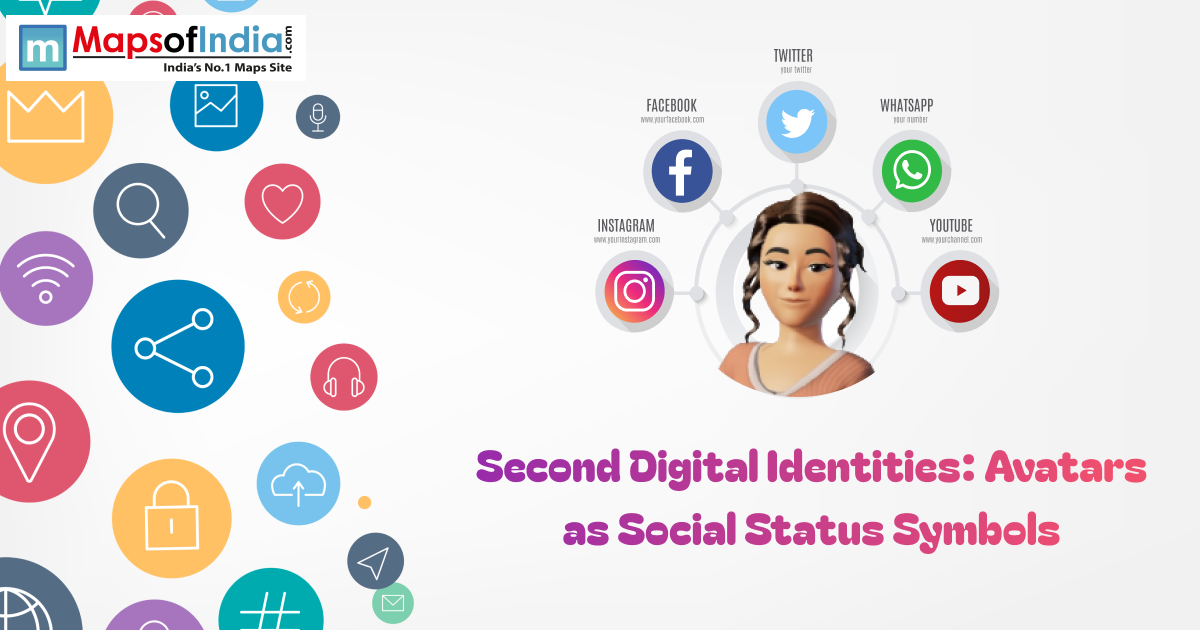
Not stuck with only who they are offline. A different version shows up online. Lives inside game realms, chat spaces, made-up places, and profile grids. That copy gets shaped on purpose. Wears high-end outfits, races pixel-speed cars, stays in tall glass towers, steps into members-only moments. Your online look often speaks louder than clothes offscreen. Not what you wear, but how rare it is, that sets rank. Some one-off character designs sell higher than top-tier timepieces. Who made it matters just as much as who owns it now. People measure you by which pixels you show up with. Status plays out like physical fashion, yet is shaped by scarcity instead of tailoring. A sudden shift changes how value flows, prices drop in dollars, yet demand grows silently through minutes given, focus drained, coins spent. Identity sticks to you openly, where skin never shows, in spaces built from code.
Game Characters Turned Personal Brands
Starting off just as pixelated figures, avatars slowly changed shape. In early online games, picking a look meant limited options. Custom features started piling up over time. Titles like World of Warcraft offered unique rides along with themed gear. Meanwhile, Second Life pushed identity beyond play. Users shaped careers, spaces, and even social circles within its world. Now kids tweak their online looks across Roblox, Fortnite, Decentraland, and Zepeto like it’s second nature. Hours vanish while adjusting hair, outfits, and gear. Moms hand over cash for special effects or exclusive jackets. Famous players flex uncommon drops on stream. What you wear there says who you run with, what you value. Back then, brand names did the talking through jeans and shoes; today, pixels do. Appearance isn’t just a play anymore; it carries weight.
The Rarity Economy Shapes Status
Instant status appears when supplies are small. Through partnerships, Fortnite links up with Marvel, then teams with Nike, and later adds musicians. Secondary markets see rare skins fetch big money fast. During 2021 into 2022, Bored Ape avatars turned into digital badges of rank. Who owns what shows how rich they are, along with who they know. Virtual plots in Decentraland go for hundreds of thousands. In The Sandbox, players build things that can earn money. Being hard to find matters more when everyone sees it. Screenshots capture those uncommon finds. Bragging happens inside Discord chats. Some groups judge people by what they own online. Think high-end purses, only these exist on screens, leave a trail, and could be duplicated endlessly, except rules make them rare on purpose.
Social Platforms Turn Avatars Into Money
Starting off strange, Meta’s Horizon Worlds leans hard on digital outfits. People spend actual cash to clothe their avatars there. Not far behind, Snapchat ties Bitmoji style with augmented reality tricks. Sometimes it feels like Zepeto is more runway than app; real brands show up in full force. Designers such as Gucci toss collections into virtual spaces too. Even Balenciaga shows up where you least expect: inside games. Then comes Nike, stepping into pixels instead of stores. Adidas follows quietly, selling kicks that never touch pavement. A single click reveals that what you carry online now matters. Status lives inside glowing screens where looks get noticed differently. Reactions pile up smiles, notes, quiet jealousy. A few trade hard-to-find digital faces just to earn extra. Fashion giants caught on: stitched code sometimes earns more than sewn leather.
The Psychology Behind How People Show Their Status Online
Out in the open, people chase rank no matter where they are. Backed by old instincts, this push makes sense. Long ago, standing tall meant finding stronger partners along with more supplies. Now, online clout pulls eyes, links to others, one thing leading to money now and then. A strange avatar can spark the same brain response as expensive things. Praise about your digital look brings a rush of dopamine. Missing out on rare releases stings, like being left behind. Showing off uncommon pieces hints that you’re part of a select group. It resembles owning a one-of-a-kind watch but visible everywhere, all at once.
Blockchain and NFTs in Use
Back when the internet began, knowing who owned what felt like guessing. Pictures copied easily could trick just about anyone. Blockchains changed that; now evidence sticks around inside lines of software. For once, tiny dots on screens meant something real. The first sign CryptoPunks arrived without fanfare, speaking volumes through silence. Then came Bored Apes, crashing the scene whether asked or not. World of Women arrived, changing the focus. In familiar corners, influence began wearing different masks. One picture might signal rank, quietly showing ties that run deep. Reputation etches its mark on these prized digital items, turning them into passes. Owning one opens doors that some lead to virtual hangouts where talk lingers past midnight. Downstairs at midnight, some tokens unlock real meals, gatherings, where palms touch instead of profiles. Picture access humming under city lights and inside silent circuits linking streets worn by feet to paths drawn in scripts.
Virtual Fashion Houses and Collaborations
Out of nowhere, old-school luxury names dove into digital worlds. Millions flocked to Gucci’s world inside Roblox. Virtual kicks now carry the Nike logo. A link between Louis Vuitton and League of Legends changed the game. Digital scarves bearing Burberry’s name appeared online. A single week brought Balenciaga four million dollars from clothes that don’t exist. Younger buyers, it turns out, spend real cash on outfits for avatars. Price tags in virtual worlds can climb higher than those on material versions. For designers, screen time now outweighs square footage in importance.
The Hidden Cost of Chasing Avatar Rankings
Pressure builds when standing out matters most. Not having special items leaves teens feeling less than others. Mockery now hides behind screens and profile pictures. Being basic gets thrown around like an insult. When digital money fails, so does the worth of online looks. Chasing approval drains bank accounts fast. The habit of gathering things takes hold slowly. Inside, emotional well-being begins to crack. In these contests of rank, some walk taller, others shrink without a sound.
The Future Of Digital Identity And Status
Digital faces start shaping how people connect. Through smart glasses, outfits appear layered on reality. Virtual spaces blend, letting one identity move freely. Items worn online work everywhere without change. Standing in one world affects standing in another. How you’re seen online might shape chances offline. Fashion sold online might soon beat clothes bought in stores. As if people are quietly shifting their closets into digital space.