







About
This glimpse into Charkhi Dadri goes beyond maps or numbers - instead, it reveals a region shaped by the resilience found across rural India. Where heritage meets daily routines, so too does economic activity weave through cultural roots, forming a distinct local story. Because stepping into Charkhi Dadri means encountering a landscape where older ways live alongside modern realities. Life here draws from soil and custom alike, while community practices quietly guide what lies ahead. Under farming skies, days unfold slow, guided more by seasons than clocks. Gatherings matter deeply - wrestling rings hum with energy, folk songs rise at dusk, festivals paint streets alive. Identity forms in these moments, stitched tight through shared memory. Simplicity speaks louder than spectacle here; strength shows quietly, without noise. Change arrives softly, welcomed only when it does not break roots. Tradition stays firm, yet breathes with time. Outside urban movement, farmland rolls on without break, shaded yellow by wheat, mustard, bajra, and cotton - plants shaping how people live day after day.
Among these fields, a quiet strength grows from hardship and shaped slowly through modesty. Rooted in old ways that move with daily life, not kept behind glass or frozen in time. What you find in Charkhi Dadri is Haryana as it truly feels - unadjusted for visitors, unembellished, simply carried forward. Customs here live softly, present without announcement, held close without need for praise. Pride exists not in words, but in how things are done, when no one's watching.
Economy
Government Sector
Most jobs in the area come from public institutions, which also help maintain order. While district offices manage daily operations, police forces keep communities secure. Schools run by authorities now reach more students than before, opening paths to college. Youth find routes into careers through teaching, clinics, or village projects. These roles link town activities directly to broader regional plans.Backed by state support, cooperative groups let farmers reach loans and updated methods - keeping crop work alive. Programs such as MGNREGA along with farm aid play a key role in upholding village living.
Public Sector
Though small in industry, government efforts focus on farming support via cooperatives and funded programs. Where grain is collected, financial help reaches growers through dedicated centers. Banks tied to these groups offer stability when money matters arise. Rural families rely on structured networks to access essential food supplies. Though big factories remain scarce, government projects focused on water supply, power access, and better roads have reshaped daily life. Thanks to Haryana’s push for clean energy and electricity in villages, household conditions have gradually risen.
Services Sector
Nowadays, more jobs appear in services like teaching, medical care, or shopping. Alongside public schools, privately run classrooms and tutoring spots begin to show up. Medical access improves slowly - fresh clinics and bigger hospitals open one after another. Charkhi Dadri hosts a lively mix of retail outlets and small enterprises serving city dwellers alongside villagers. Thanks to better phone networks and online tools, fresh business ideas now find room to grow. With banks expanding, travel links improving, then information flowing faster, ties between this area and neighboring parts of Haryana deepen quietly.
Key Industries
Besides crops, raising cows and selling milk brings extra earnings to many households. Not far from the farms, small businesses like making bricks help support families. Some residents work in plants that process farm goods or create handmade items for sale.
Though rooted in age-old agriculture, the region now sees steady shifts toward service-based livelihoods. With tractors replacing hand tools on many plots, efficiency rises slowly across fields. Meanwhile, those born more recently look beyond harvests - classrooms, clinics, and local shops draw their time and effort. Change creeps in quietly, shaped by soil as much as ambition.
Tourism
Where faith shapes daily rhythms. Old stories live in temples, fields, even dust-covered lanes. Each corner holds something unpolished yet real. Not built for crowds, but found by those who wander slowly. Standing tall through time, Dadri Fort marks one of the area’s key landmarks, echoing tales from long-ago eras. Wherever one looks - in Bondkalan’s Shiv Temple or smaller rural sanctuaries - worship blends quietly with daily rhythm. These sites breathe with activity, shaped by ceremonies that draw neighbors into shared moments. Festivals especially turn stone courtyards into stages for unity, stitching individuals through tradition. Fresh bursts of color spill across village fairs, where once-empty fields pulse with rhythm and local craft. While musicians revive ancient ragini melodies, potters pass bowls from palm to palm under patched tents. Though temporary in setup, these gatherings carry weight - deep roots in everyday country ways shape each interaction. Instead of polished shows meant only for eyes, people offer pieces of lived routine: a farmer's harvest, a spinner’s thread, a dancer’s step passed through generations.
Under golden winter light, mustard fields brighten the landscape. Open expanses of bajra ripple softly when wind moves through them. Paths worn by time guide walkers toward quiet village homes. Nature here shapes how people see the place - steady, unpolished, alive. Those arriving from busy hubs such as Delhi or Chandigarh find something different. Simplicity pulls them in, slowly. Daily life unfolds without show; meals feed more than hunger. Warm welcomes feel earned, not offered. Routines follow old rhythms, carried forward quietly. What draws attention most are Dadri Fort, neighborhood shrines, and yearly rural gatherings - each holding deep cultural weight. These elements open up views on Haryana's farming roots and inner beliefs.
Demographics
Among India's smaller districts, Charkhi Dadri stands out - not by size but by character. Home to roughly 502276 people( 2011). it pulses with the rhythms of village life shaped by farming, family bonds, and inherited customs. Behind its statistics lies something deeper: persistence through change, quiet growth, dignity rooted in heritage. Numbers alone cannot capture how generations have held on, adapted, yet stayed true. As per 2011 census ,a figure of 67.04 percent in literacy points to gradual progress, reflecting stronger attention toward learning over time. Instead of relying only on tradition, communities now see schools, new college options, and tutoring spaces shaping how young people imagine their futures. Although many elders continue working land passed through families, those born more recently look beyond crops - toward classrooms, clinics, or opening modest shops. Change moves quietly; yet it carries weight, shifting ways of earning life by life. Despite common trends, the area shows a modest shift - 964 girls for every thousand boys hint at evolving attitudes. Not confined to homes alone, rural women contribute widely: fields depend on their labor just as much as milk production does. Cultural events gain depth because they step forward in song, dance, and local gatherings. Where self-reliance circles form, connection thickens across neighborhoods.
What people speak often tells you who they are. In daily life, Hindi along with regional Haryanvi forms shapes how locals talk - full of blunt wit, unpolished but clear. Neighboring Punjab leaves its mark too, adding layers because borders here blur easily. Gatherings in rural hubs hum with local speech patterns. Even traditional ragini music carries these voices forward. Folk melodies pass down phrases older than memory. Spoken word stays strong through such moments. Life here still turns on fields where wheat, mustard, bajra, and cotton mark each season’s pace. Earnings often stretch further through dairy work and raising livestock. Young people now sometimes move toward city centers looking for employment.
Administration
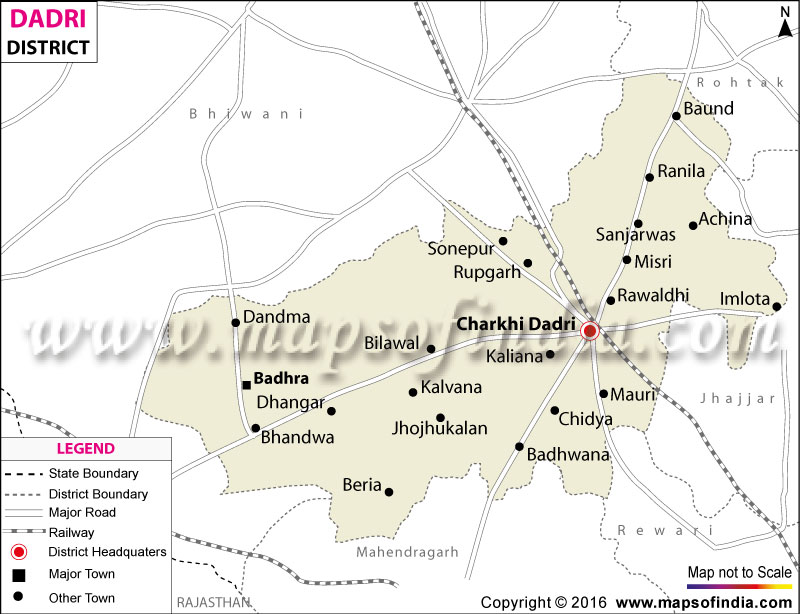
Charkhi Dadri handles its administrative layout with attention to practicality. Splitting the area into two parts - Charkhi Dadri and Badhra - creates manageable zones for oversight. Each of these sections operates under a shared structure: two tehsils carry main duties while Bondkalan functions at a smaller level. From such setup, remote settlements gain access to essential services without delay. Spread across roughly 184 settlements, the area pulses with local distinctiveness, though common farming roots bind them closely. Life unfolds differently in each place, still linked by habits shaped over generations. Governance here does not float above - it steps into daily routines, showing up in crop support efforts, power access projects, or classroom initiatives. Each village functions as a node where policy meets practice, not in theory but in motion. Charkhi Dadri serves as the central hub of the region, hosting the main government functions. Located within its boundaries are essential departments that guide local management. Decisions emerge here, execution begins here, coordination unfolds across sectors from this point. Whether addressing public safety or advancing village progress, officials work directly to link statewide programs with community needs.
| Facts of Charkhi - Dadri District | |
|---|---|
| State | Haryana |
| District | Charkhi - Dadri |
| Population (2011) | 502276 |
| Area (km2) | 1,370.11 |
| Languages | Hindi, Haryanvi |
FAQs
Q1: How many villages are there in the district?
Scattered across the landscape, around 184 villages shape Charkhi Dadri’s rural character through farming and heritage. Life here moves with seasonal rhythms, tied closely to land and custom. From one village to another, shared practices form a quiet continuity beneath everyday routines. Though small in size, these communities hold steady influence over how things grow - and how people live.
Q2: What is the population of the district?
Half a million people lived there when last counted in 2011. Beneath the figure lie households tied to the land, young minds reaching toward classrooms, while shared strength and cultural dignity shape daily life.
Q3: What is this district famous for?
Among dusty fields, Charkhi Dadri thrives on farming as much as festival rhythms. Wrestlers train in open-air arenas while folk songs echo through seasonal gatherings. Not far off stands the old stone structure known locally as Dadri Fort. Cultural life here moves to a rhythm shaped by community bonds rather than spectacle. What draws people in is how little it tries to impress. Instead, daily routines reflect Haryana’s rural character without pretense. Tradition stays active, not preserved behind glass.
Last Updated on : June 11, 2026
