
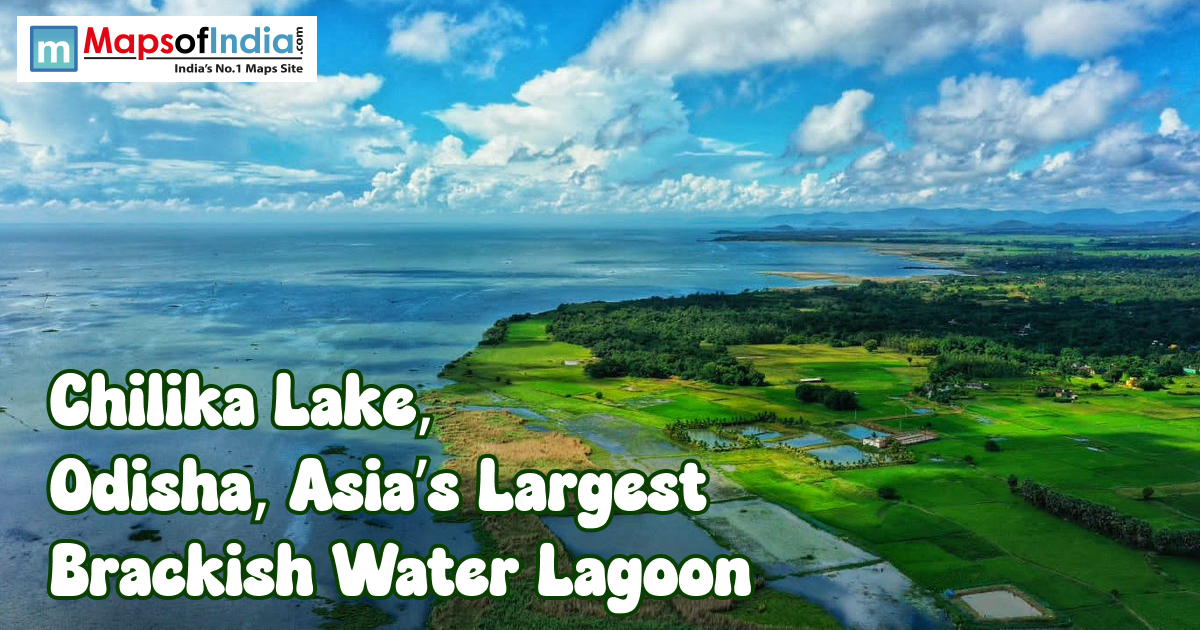
Chilika Lake stands out as a breathtaking part of India’s landscape. Lying along Odisha’s eastern shoreline, this body holds the title of Asia’s biggest brackish lagoon – ranked second globally when compared to others like it. Covering more than 1100 sq km, its gleaming waters link up with the Bay of Bengal via a slim opening close to a town called Satapada. But really – it’s way beyond just open water. Think of it as a thriving hub where countless creatures survive alongside people whose lives depend on it, shaped by traditions stretching back hundreds of years.
A Natural Marvel of the East Coast
Chilika Lake lies at the junction of three districts of Puri, Khordha, and Ganjam in Odisha. It is a shallow lagoon that varies its area according to the season. When the rains arrive, the lake swells due to the influx of river water. During the dry season, it retreats, exposing sandbars and islands. Since water is taken from the sea as well as from the rivers, it is a brackish lake. This blend has been instrumental in the flourishing of the creatures of the sea and the rivers that coexist in it.
The Lagoon’s Dynamic Geography
This body of water could be viewed as a changing piece of art. The sea and rivers affect its perimeters and give rise to new banks of sand. The population of the villages, which are situated on the lake banks and exceed 130 in number, is engaged in fishing, agriculture, and tourism. The outer channel that links the lake to the sea benefits the latter with the intrusion of the seawater. Besides, the blending of river water takes place here. This ordinary cycle is what keeps the living system of the lake going and brings about a balance in it.
A Biodiversity Hotspot
Chilika Lake ranks high when it comes to biodiversity across India. Not only does it support over 200 kinds of fish, but it also hosts countless water-loving plants alongside numerous bird types. Recognised under the Ramsar Convention, this area counts as a crucial wetland worldwide. Come winter, flocks – numbering in the millions – arrive here after long flights from Siberia, parts of Central Asia, even the Himalayan slopes. Creatures like flamingos, pelicans, herons, or ducks rely on this place just to survive.
Home of the Irrawaddy Dolphins
The only place in India where you’ll find rare Irrawaddy dolphins is in Chilika Lake. Most hang around the outer stretch close to Satapada. Not quite as big as sea dolphins, they’re known for being friendly and calm. Spotting them means hopping on a boat ride – watch ’em glide smoothly beneath the surface. Tourists from everywhere show up just for this sight; thanks to these animals, the whole lake feels more alive, almost magnetic.
The Islands of Chilika
The lake has many attractive islands, some of which are historically significant and others spiritually significant. Nalabana Island is a safeguarded avian habitat that can boast of a huge population of migratory birds. Kalijai Island has gained its fame because of the temple built in the name of the goddess Kalijai, who is regarded as the protector of the fishermen. The other islands, such as Honeymoon Island, Breakfast Island, and Parikud, provide scenic views and are full of trees. These islands of Chilika form a perfect blend of nature, culture, and spirituality.
A Lake of Legends and Beliefs
Chilika Lake ties closely into stories and beliefs from Odisha. A tale about Goddess Kalijai speaks of a newlywed swept away by waves in a fierce storm – then seen later as divine. Local fishers feel she watches over them when storms hit. When Makar Sankranti comes around, people trek to her temple hoping for good fortune. Belief mixed with the rhythms of water turns this place into something sacred without needing grand words.
Fishermen and Their Way of Life
The lake supports countless fishing folks along with their loved ones. Not merely a job, it’s a way of life handed over from one generation to the next. Instead of modern gear, they rely on hand-built wooden boats plus age-old net styles to gather prawns, crabs, or fish. These salty marshes create perfect spots where sea creatures multiply and grow. Still, issues such as too much fishing along with shifting weather patterns have hit their way of life hard. These days, plenty mix catching fish with guiding tourists just to keep things going.
Flora and Fauna of the Lake
The underwater greens in Chilika keep things running smoothly. Seagrass, tall rushes, or swampy foliage clean the water while feeding critters nearby. Crustaceans, soft-bodied creatures, along with tiny floaters, thrive here – these make up the base of who eats whom. Marsh areas around hold wild pigs, howling dogs, plus scaly cold-blooded animals. Each spot hums with action, turning it into one of Asia’s richest watery habitats.
Threats to the Lagoon’s Balance
Chilika deals with plenty of issues, just like other wild environments. Dirt washed down by rivers clogs things up, trash messes it up too, while people keep moving in closer. That thin strip linking the lake to the ocean? It often gets jammed shut, so water can’t flow well. When that happens, salt levels shift, and fish end up suffering. Officials team up with nearby residents to fix and guard the area, using smart care methods plus eco-friendly travel ideas.
Conservation and Restoration Efforts
The Chiloka Development Authority made a big difference in fixing the lake’s condition. Since they cleared the sea opening again in 2000, water moves better, so fishermen now get more fish. That effort even led to Irrawaddy dolphins showing up once more, along with growing crowds of visiting birds. Ongoing checks plus low-impact tours today help keep this sensitive habitat stable.
Cultural and Culinary Delights
The vibe near Chilika shows how friendly and down-to-earth people in Odisha are. During village celebrations, you’ll see traditional dances alongside handmade goods that echo the lake’s rhythm. Food here packs flavour, think juicy fish or plump prawns tossed in hot sauces with sour dips on the side. Visitors usually dig into basic home-cooked dishes made by fishing households, which lets them feel real seaside living.
Chilika’s Global Significance
Beyond just being key locally, Chiloka matters worldwide when it comes to nature. This place is not only helpful for the life that is surviving nearby, it gives young sea creatures a place to grow, while also giving rest for birds a place to relax while flying across Asia. This water body, at the same time, plays an important role that helps in stabilizing the weather near the shores. Because of this wider impact, naming it a Ramsar location underlines how much it contributes to Earth’s natural harmony.