
A place like Manipur sparkles in northeast India, full of lush landscapes and living customs. Hills wrap around its borders, holding within them wide valleys, shimmering water bodies, old places of worship, plus groups with distinct ways of life. Not every area draws equal attention, yet certain ones stand out, some for stories carved in stone, others for beauty shaped by nature or culture rooted deep. Take Imphal, where energy hums through streets lined with history, then shift toward silent highland stretches touched by mist. Sacred spots rise quietly amid forested slopes, speaking without words. Each region adds a unique tint like mossy emerald, meeting sunlit amber in weaving the many-layered identity of this so-called Jewel Land.
Imphal East and Imphal West
Imphal, under the influence of history, spreads out from the east to the west and splits itself into two parts or twin districts, where the power, tradition, and trade are intermingling. Kangla Fort, a silent observer, stands on the land that is even older than documented history. A long time ago, it was a palace, and now it is one of the fortresses in the city. Nearby, Govindaji Temple, in its tranquillity, carries more than the walls’ devotion. There is a collection of ancient things at the State Museum, but those objects are not the only ones willing to communicate. Completely different is the communication through dance. The city implements a non-stop life throughout the day with the presence of brightly colored fabrics, spices, voices, and divinely smelling life that is spilling not only on the main streets but rooftops and back streets as well. Behind the lanes, two neighbouring districts are the doors to Manipur and beyond. Old songs are still heard in those places. Such places have a kind of tradition where the beat ties together the old days and the paths that are being followed today.
Thoubal
Fertile soil shapes most of Thoubal, one district that catches attention in Manipur. Rice fields spread across the area, watered by gentle flows close to Loktak Lake. Old temples appear between homes and shops, carrying history without loud claims. Places for study show up quietly, built along narrow market streets. Change moves softly through lessons, local businesses, and regular steps forward. Out here, people work late into the day but still keep traditions alive. Just like open fields where crops grow strong while silence honours what came before.
Bishnupur
Old shrines and forgotten corners speak without shouting. Keibul Lamjao hangs over the water, the only park of its kind, drifting above lakes. Fingers press wet earth, turning soil into vessels, passing down quiet knowledge. On Loktak Lake, spongy mats of roots and grass bob like restless islands, rare and shifting. Through Bishnupur, movement slows, as trees lean close to crumbling shrines. Along the water’s edge, stories from long ago rise just beneath wide daylight (they never truly fade).
Churachandpur
Up in the hills where trees cover steep sides, Churachandpur guards old traditions from early Manipur times. Rather than tall buildings, you find narrow rivers and deep forests, because homes cling quietly along ridges and valleys. Every community uses separate words, dances to unique rhythms, and follows laws passed down many generations. Classrooms appear near houses of worship alongside fields, since knowledge takes root wherever customs remain firm. More than a dot on paper, this region pulses with stories carried forward through daily life.
Ukhrul
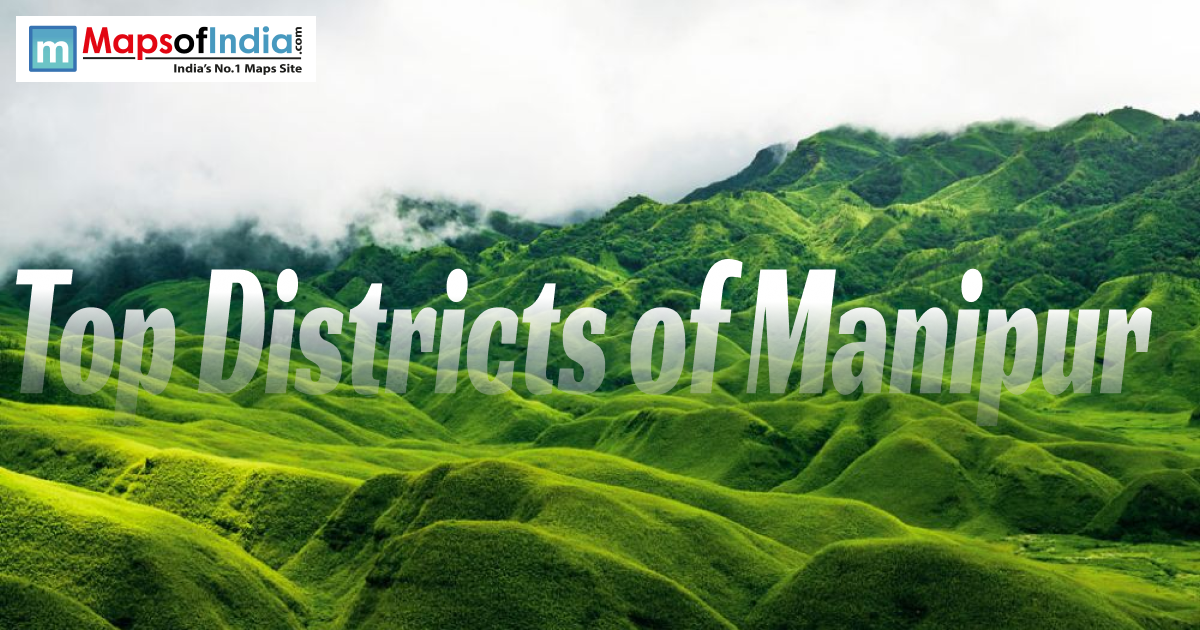
Above the plains, Ukhrul is the seat of the Tangkhul Naga tribe. Endless green undulations are spread out under a sky usually misted. The pines are like calm old men secretly watching the slopes. Between them, the air flows down through the rocky cracks. Where the land falls sharply, water-springs emerge, and the water flows behind moss-covered rocks. These water-springs take the visitors unknowingly to the lonely places that hardly anyone has come to. At the festival, dancing beats make the streets vibrate. That is when the colours get to jump out from the shawls that people have knitted and the paths, which once dull, get painted. Though silence lies under the trees, the voices of the old times are still heard. Each footpath is the bearer of some ancient legend, of perhaps a secret one. The people here are so hospitable that it is as if a whole generation has passed since the last time they met the newcomers. Just like the fog that hugs the houses on the hills, traditions remain strong without any effort.
Senapati
High above in Manipur’s northern stretch sits Senapati, wrapped in cool breezes that drift between rolling peaks. Many Naga groups live here, their lives told not just by words but by movement, fabric, and sound. Terraced fields cling to steep sides, where vegetables sprout beside orchards rather than wide-open farmland. The terrain shows its age, rough, bold, with streams weaving fog-draped spines of earth below. A whisper on charts, yet a passage unfolds past Nagaland’s edges. More than earth-bound by custom, it breathes, weaving itself into Manipur’s fabric. Each thread moves, alive, forming part of a larger cloth.
Tamenglong
Down Tamenglong’s slopes, green rolls under a tangle of leaves pressed tight together. Deep within wrinkled stone, caves sleep as if never found. Along damp walls, small flowers open one petal here, one there, flickering in the weak sun. Beyond where people walk, the earth drops off quietly, spilling into space past the hilltop edge. Now comes the water, slipping down slopes where the Barak moves early, others trailing behind. Life shifts like clouds, built on sound, guided by when things happen. Without letters, each group holds time in breath, in steps that never fade. In the stillness of these places where there is less crowds, fingers bend bamboo without rush. Fingers touch wood, that makes you feel you are home, that kind of place is here deep in Manipur.
Why These Districts Define Manipur
One can find history deeply rooted in Imphal, where the culture and politics have left their marks on the very streets. The wide fields of Thoubal are a result of slow and steady working with the seasons. Bishnupur is a serene place where the hills protect ancient temples, and the quietness is more powerful to the ears than even the prayers. In Churachandpur and Ukhrul, the passing of traditions from one generation to another is done without the help of words. Fresh and pure air from the hills of Senapati continuously sweeps the land with wide open skies on top. The sun rays passing through the foliage fall on Tamenglong, which is nurturing flowers in its secluded nooks. Every location is so different from the other that it seems to depend on the natural rhythm rather than the rules. The state may be held together by the beauty of nature, the lifestyle and the belief systems which were randomly combined without a plan. The very different colours which one would expect to create a clash instead come together and form a jewel of India which is shining softly.