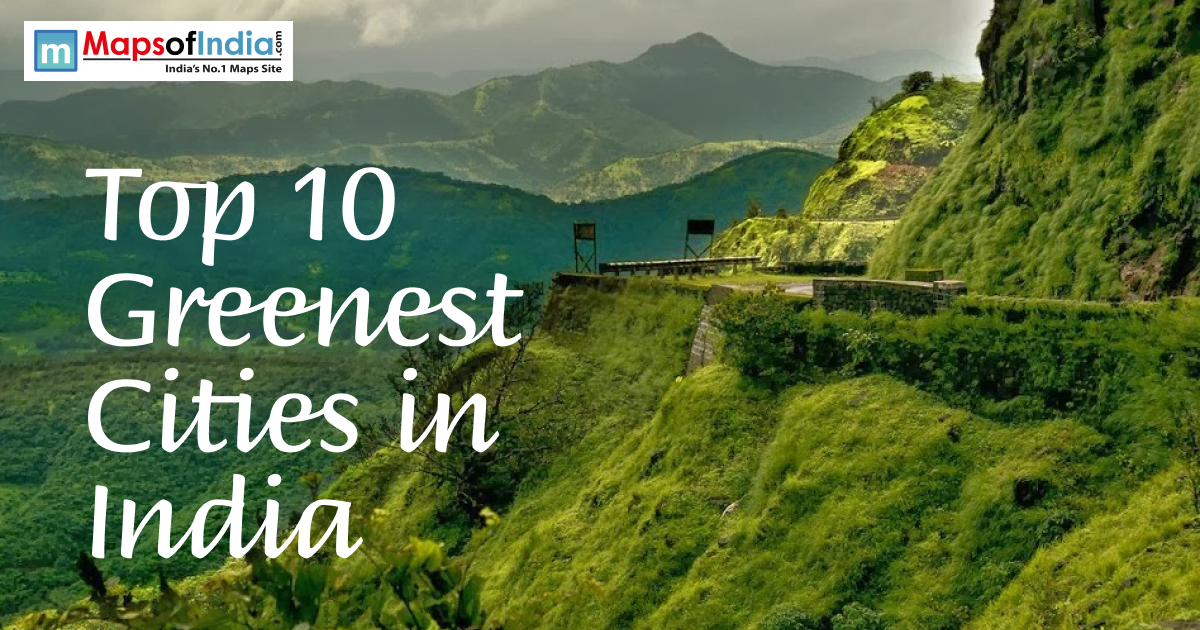
Green cities aren't just about trees. It is characterized by air pollution, public parks, forests, water scarcity, transport infrastructure and the harmony between urbanization and nature. In India, with rapid urbanization often at the cost of nature, green cities offer lessons in planning for the environment. They have healthier air, improved quality of life and greater resilience to climate change. They also demonstrate that development is not always at the expense of the environment. From planned cities to hill stations and garden cities, India's greenest cities show that nature can thrive in city life.
Bengaluru: India's Historic Garden City
Bengaluru has often been accorded the title of the Garden City of India due to its tree-lined streets, parks and its formerly agreeable climate. The city still has its green spaces, such as Lalbagh Botanical Garden and Cubbon Park. While it has lost some of its green cover due to urbanization, Bengaluru is still a well-known green city in India. The city's older areas have good tree canopy and parks. It also has lake restoration and green urbanism initiatives. Despite traffic jams and urban sprawl, Bengaluru is still identified with urban greening.
Chandigarh: Green With Discipline
Chandigarh is a prime example of how urban planning can preserve green spaces. The Le Corbusier-designed city has broad roads, sectors and robust green belts separating residential areas. It also has Sukhna Lake, Rose Garden and Rock Garden. Chandigarh was not like many congested cities, where buildings dominate public spaces at the expense of greenery. It's neat roads, and the trees are beautiful and comfortable. It demonstrates that up-front planning can lead to greater sustainability.
Mysuru: A Heritage With A Green Heart
Mysuru is a royal city with peaceful greenery. Its greenery is maintained by wide roads and parks, and low-density development. It emphasizes cleanliness, vegetation and good governance. It has the added advantage of neighbouring Kukkarahalli Lake and Brindavan Gardens. Mysuru also experiences less industrialization than major cities. It combines the charm of heritage tourism with green comfort. It is one of the most livable and green cities in southern India.
Thiruvananthapuram: Tropical And Coastal Balance
Kerala's capital, Thiruvananthapuram, has dense forests, tropical flora and abundant rainfall. Its greenness is due to coconut trees, parks and tropical balance. Its urban development is sustainable with nature intact. It is more visually and physically comfortable than more crowded Indian cities. Public spaces and beaches also maintain a positive rhythm. Kerala's higher degree of social awareness of issues like public health and sustainability also supports this balance. The city showcases the impact of climate and culture on green cities.
Bhopal: City Of Lakes And Forests
Bhopal is unique for its lakes, hills and forests. Nicknamed the City of Lakes, Bhopal has a very distinctive landscape for a state capital. The Upper Lake and Lower Lake are significant ecological resources, while Van Vihar National Park provides wildlife in an urban setting. Lush vegetation and water bodies help to cool the air. Water conservation is another priority in Bhopal's green city agenda. Its green character is a combination of design and geography.
Pune: A Growing City With Lungs
Pune has emerged as an education and IT city, but still has lots of green spaces, hills, campuses and parks. Residential areas, such as Aundh and Koregaon Park, and university campuses have better tree cover than many Indian cities. It also has hills and a climate conducive to outdoor living. River and park movements are ongoing. Pune demonstrates that rapid economic development doesn't necessarily leave it with no green zone if the community is aware. It is one of the more pleasant green urban areas for working professionals and students.
Hyderabad: A Growing City With Good Green Cover
An ambitious city, Hyderabad still has significant green and landscaped pockets - parks, lakes and gardens. KBR National Park, Hussain Sagar area and large campus areas contribute vital green zones in the city. Recent urban development also incorporates public green areas and greening along roads. Growth pressures notwithstanding, Hyderabad has retained better greenness than many fast-growing commercial centres. This shows how big cities can still retain green lungs during intense business development.
Gangtok: Mountain City, Mountain Environment
Gangtok is a different kind of "green city". It is in Sikkim, with mountain ecology, high environmental vigilance and less pollution. Its green cover, cleanliness and tourism policies enhance its image. The state's environmental rigour, such as plastic bans and organic food, also affects the city. Gangtok demonstrates that green cities are not just about greenery but also governance and cultural attitudes to nature. It is one of the cleanest and naturally protected cities in India.
Dehradun: Valley With Forest Cover
Located between the Shivalik hills and the Himalayas, Dehradun is one of the cleanest cities in India. Forest Research Institute, government offices and hills all contribute to the green environment. It is known for its educational institutions, natural beauty and better life. Dehradun is still highly valued as a green city due to its proximity to forests and relatively low industrialization, despite growing urbanization. It is an example of how urban quality of life is preserved by geography, where development is managed.
Shillong: Pine Hills And Rain-Rich Ecology
Shillong is famous for its pine forests, rain and beauty. It is one of the greenest and coolest cities in northeast India with good vegetation cover. Open spaces are connected with the environment rather than being disconnected. Shillong's scale and ecology make it a particularly green urban environment in India. It is a reminder that sustainable urban living can be more human when we can see the natural world as we navigate.
Why Do We Need Green Cities In The Future?
In a hotter India with more pollution, green cities are a must. They are a survival model. Trees reduce urban heat. Lakes support climate balance. Parks boost mood and clean the air. Sustainable transport reduces pollution. And green cities are more attractive to workers because people care about the quality of life. Cities in India cannot be built on concrete. Nature has to be the new normal.
Green Living Is The Next Urban Ambition
India's greenest cities show that development needn't be at the expense of the environment. Some cities protect lakes. Some preserve forests. Some are planned, some are natural. But all demonstrate this. A city is better when it is not asphyxiated. In the future, Indian cities may not be successful because they are tall, but because they allow their citizens to see trees out their windows.