Quiet villages in Karnataka are sleeping near the bustling city hubs, and every place is holding its own without imitating another. Distant from just being little spots on the map, places like Mysuru are carrying the heavy load of history, and palaces stand there as a huge memory. Even the roaring sea waves at Mangalore cannot break the deeply anchored calm that comes from the temple chants of Udupi. Without screaming, Badami can lure you into the caves that have been there long before us. Where one side of the economy is working, the other side is nature, with the green hills and the river. More than just reputation and size, it is the aura that makes some districts stay in the memory. The sounds of royalty are blended with the tunes of the startups in the least expected ways. Together they are like light, which is changing its colour after hitting different surfaces, yet there is only one sun.
Bengaluru: India's Tech Hub
India's top tech centre sits in the south of Bengaluru, capital of Karnataka. Home to big IT firms plus countless new startups, its global nickname sticks: Silicon Valley of India. Top schools line up beside advanced hospitals, supported by strong public systems. Growth hasn’t erased nature; parks survive alongside relics such as the Bangalore Palace and Lalbagh Botanical Garden. People arrive here from everywhere, pulled by a blend of languages, foods, and lives lived loud. With every arrival, the mix shifts, and it never quite stays the same. Few places feel quite like this one. Warm sunshine almost every day pulls newcomers in. Growth never seems to erase the leafy calm woven into neighbourhoods. Even as cranes dot the skyline, green corners stay alive.
Mysuru: Cultural Capital of India
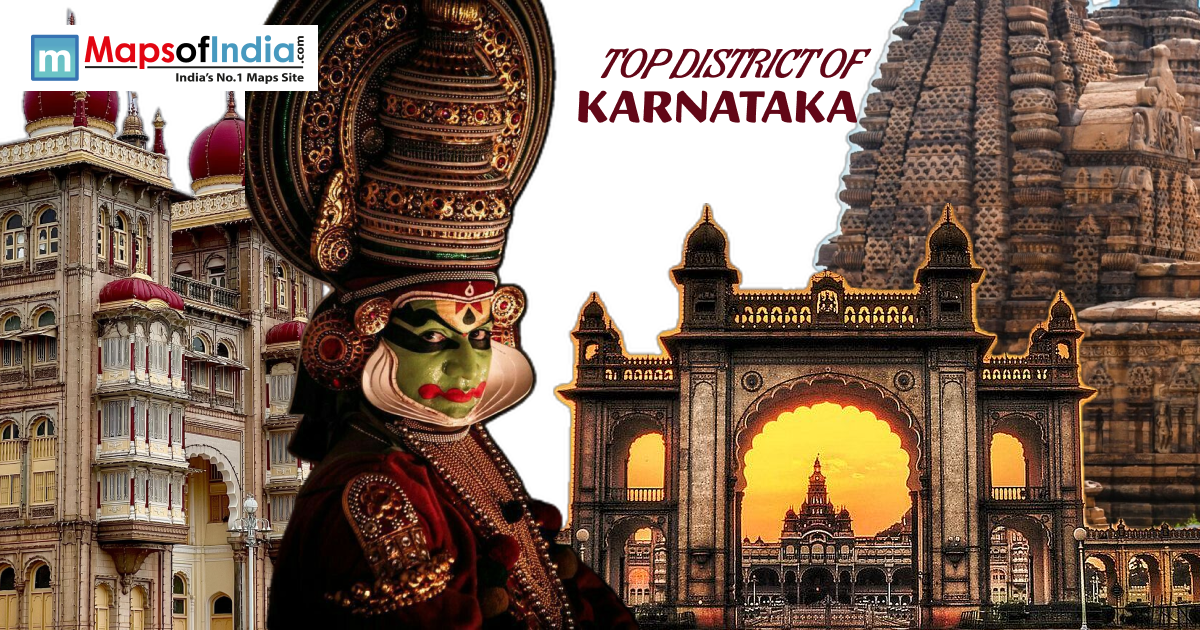
Once upon a time, rulers lived right here in Mysuru. Kings called this spot their own. Big homes built for royalty still stand today. Those grand buildings pull visitors close. Every fall, something changes slowly. Dasara is famous here. Streets come alive as music moves people. Threads of silk twist through market stalls, while sandalwood smoke curls from open doorways, then fades into still air near yoga rooms where breath drags like a tide. Past the peak of Chamundi Hill, sight spills across wrinkled land. At Brindavan, water holds flower faces tight, paths slip between hushes of leaf. This calm isn’t old dust centuries pressed it soft, though now it pulses under fresh steps. Never stuck, only turning slow with what comes next.
Mangaluru: The Coastal City
By the Arabian Sea lies Mangaluru, a key port and trading hub in Karnataka. Beaches here draw visitors just as much as old temples and quiet churches do. Different ways of life mix close together, Hindu, Christian, and Muslim, shaping daily rhythms. Flavours rule the kitchens: fish caught fresh, meals built around coconut. Schools and colleges hold strong reputations across the region. Mangaladevi Temple stands beside St. Aloysius Chapel, both holding deep local meaning. Reaching the Konkan and Malnad areas often begins right here. Coastal by nature, it mixes trade, traditions, and green landscapes without trying too hard.
Hubballi-Dharwad: Twin Cities
Hubballi-Dharwad is the heart of North Karnataka. Not just streets and buildings, but echoes of old poetry linger here. Scholars once walked these lanes; now their names live on in classrooms and songs. Commerce thrives in Hubballi, where markets breathe energy into daily life. Dharwad leans toward books, blackboards, and long conversations under campus trees. One builds economies, the other shapes minds that balance defines them. Sweets too carry fame; Dharwad peda melts slowly, rich, unforgettable. Together they move not as halves, but as rhythms in one shared breath.
Belagavi: A district shaped by history and location
Long past, someone built Belagavi back then, named Belgaum, and time folded many tales inside its streets. This place was first ruled by the Rashtrakutas. Then the rulers were the Chalukyas. This place has always attracted rulers who are seeking power. Kittur Fort is a really famous attraction. Stone walls at Belagavi Fort have been standing for many years. Markets move fast, bright threads tangled with shouts and spice-scented air. Flavours explode in food, sharp and warm, shaped by what grows nearby. Bursting at the seams with market energy, Belagavi thrives in northern Karnataka. Old whispers linger here, though their influence pushes far beyond city lines.
Udupi: Where Temples Meet Food
Krishna Temple puts Udupi on the map; people recognise it across continents. Not far behind comes the food culture, distinct and rooted in daily practice. Pilgrims travel long distances because spiritual learning thrives here under the Madhwa teachings. Along the shore, quiet beaches run beside ancient stone shrines. Devotees pause at ashrams tucked between palms and dusty paths. Schools carry weight just like temples do in public life. Medical care fits into this mix without standing out too much. Each place blends - the sacred, the studied, the seen. A stretch of coast where temples meet classrooms beneath wide skies. Here, faith walks beside kindness like an old friend sharing stories.
Shivamogga: Where Waterfalls Meet Forests
Very few places capture the heart of nature's wild green as vividly as Shivamogga. Among the many waterfalls in the country, Jog Falls is one of the highest vertical-drop waterfalls. Besides rivers, green forests are the main land coverage in this area, with hills being the only quiet place without human intrusion. In Bhadra Wildlife Sanctuary, the protected area is large enough to keep animals hidden under dense canopies. Agumbe has high rainfall, and so the trees there are always heavy with moist air. Many farms cover the entire district of Shivamogga, which supports its economy through agricultural production. It is a combination of gently undulating hills and slow-flowing streams through which this place stays alive, showcasing the wilderness of Karnataka without any artificial aid.
Vijayapura: Known for Its Old Buildings
Vijayapura, which was earlier known as Bijapur, is famous for its beautiful Islamic architecture. Not far from downtown is the Gol Gumbaz, which houses one of the largest domes in the world, a milestone of the place. Ibrahim Rauza is a monument of the royal glory, and next to it, Bara Kaman shows the grandeur which had been in the minds of the rulers, only forgotten later on. After being several ages old, these stones still keep safe what the kings had left behind forever. Just imagine: lanes where old arches keep watching silently like good guardians of a fading echo.