







About City Palace Jaipur
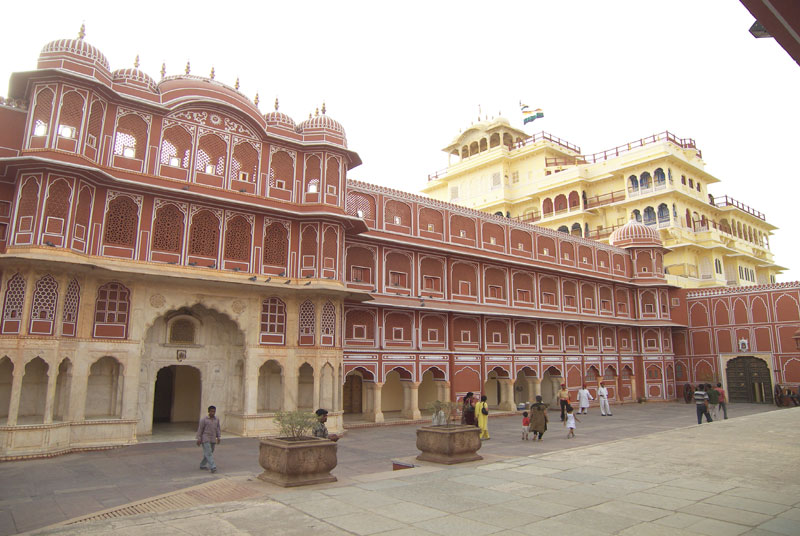
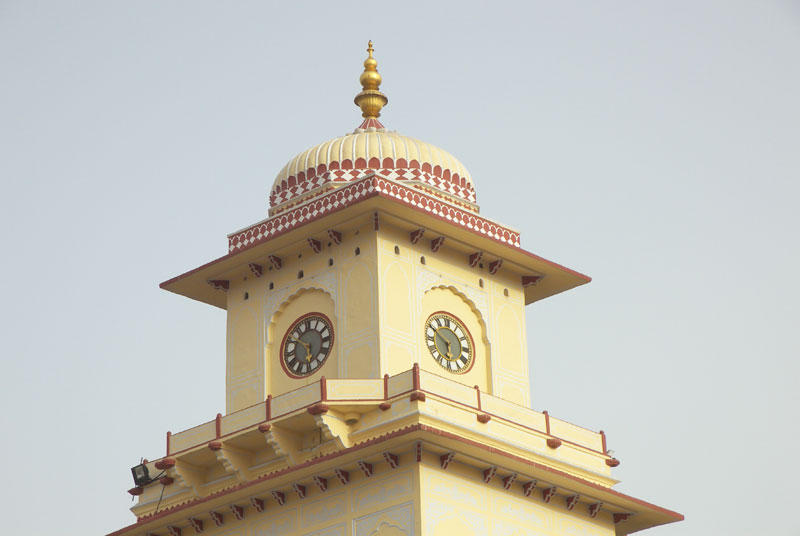
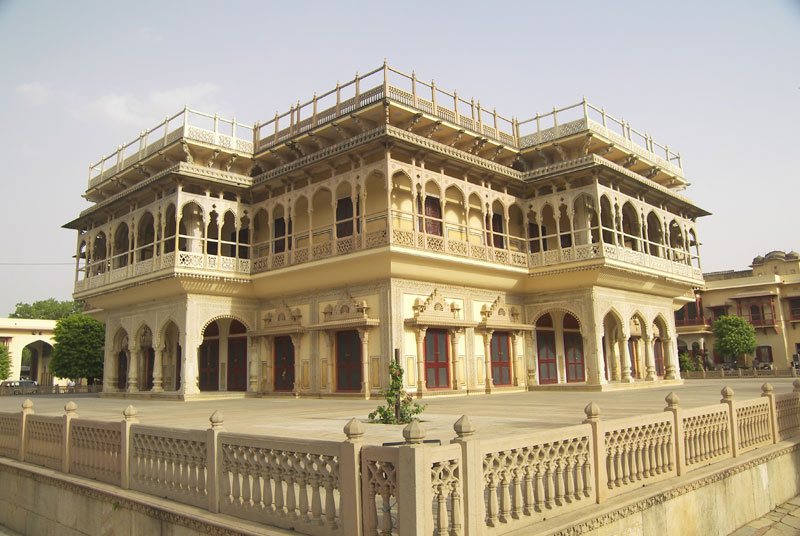
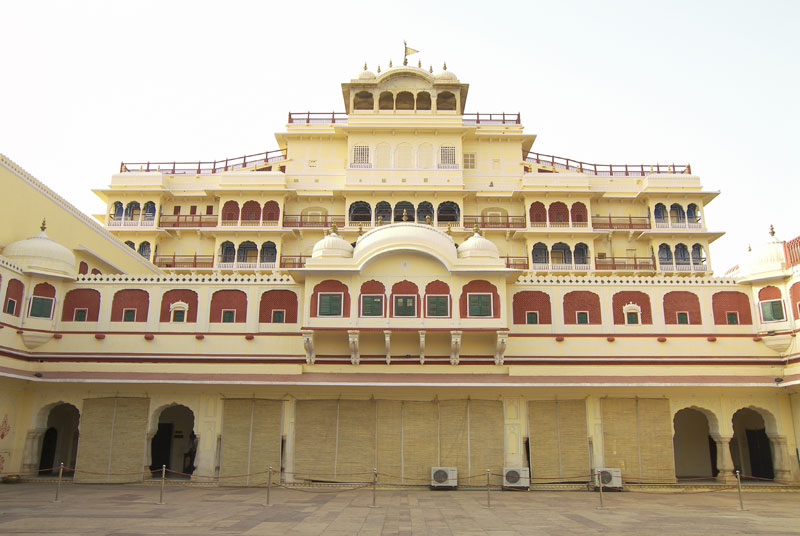
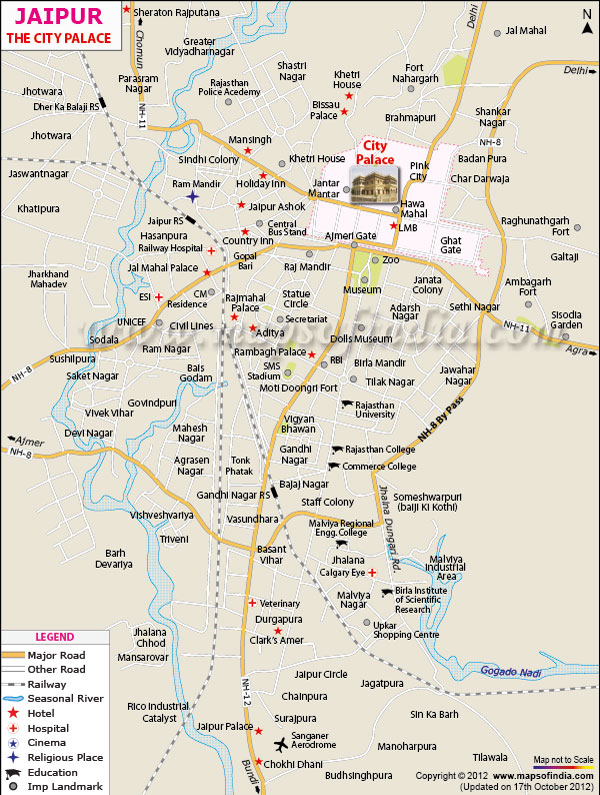
The City Palace is a palace complex, situated in the core of the Pink City Jaipur. The beautiful complex comprising numerous edifices, vast courtyards and attractive gardens, is a souvenir of the majestic history. The Chandra Mahal and Mubarak Mahal are some of the significant structures in the complex. To preserve the valuable items of the bygone era, many compartments of the palace have been converted into museums and art galleries. To witness the beauty of the palace, thousands of visitors from across the world visit the City Palace every year.
The City Palace housed the throne of the Maharaja of Jaipur who headed the Kachwaha Rajput clan. Maharaja Sawai Jai Singh II, who ruled Amber from 1699 to 1744, initiated the construction of the city complex that spreads over several acres. He first ordered to erect the outer wall of the palace complex. The construction that was started in 1729, took three years to be completed. The palace complex was completely built in 1732.
The palace and its structures have been designed, combining the architectural elements of the Mughal, Europe and the Shilpa Shastra of India. A perfect blend of colours, designs, art and culture can be seen in every nook and corner of the palace.
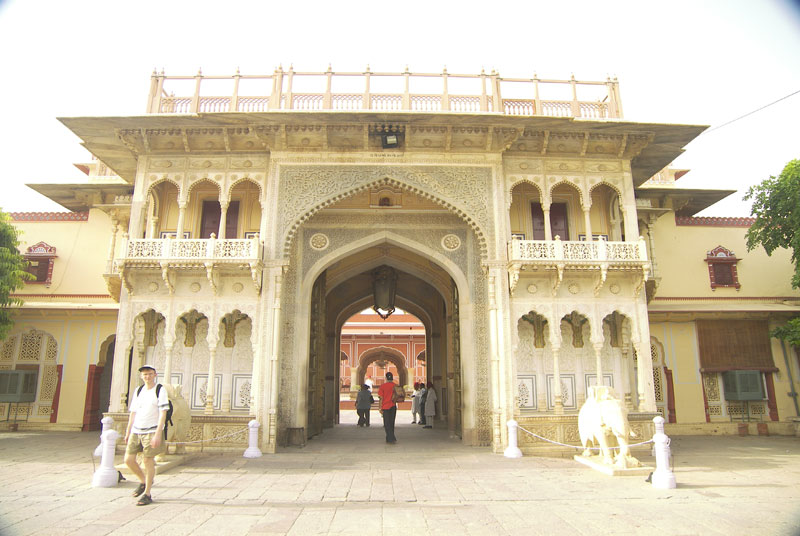
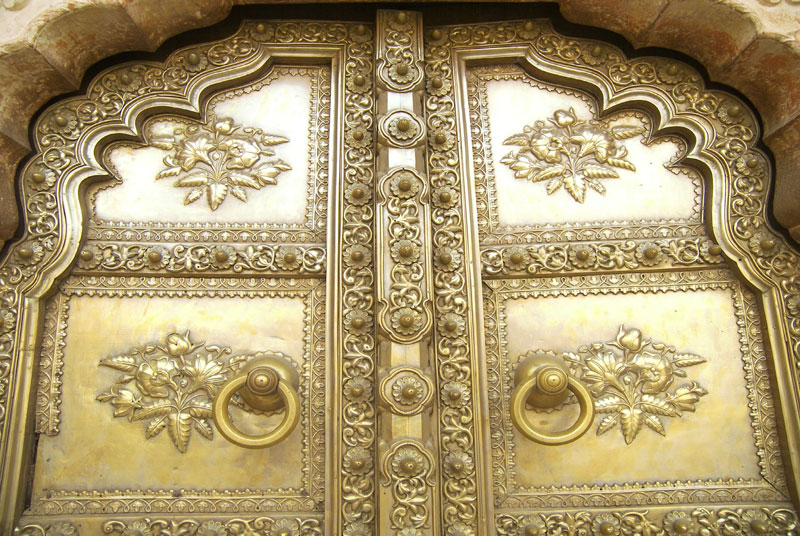
Entrance Gates: One of the most striking features of the complex is its richly decorated gateways. There are in total three entry gates to the complex, namely Virendra Pol, Udai Pol and the Tripolia Gate.
Mubarak Mahal: Built with a fusion of the Islamic, Rajput and European architectural styles, the two-floored Mubarak Mahal was made to serve the purpose of a reception centre. Also known as the palace of welcome, it was designed and built by Maharaja Madho Singh II in the late 19th century.
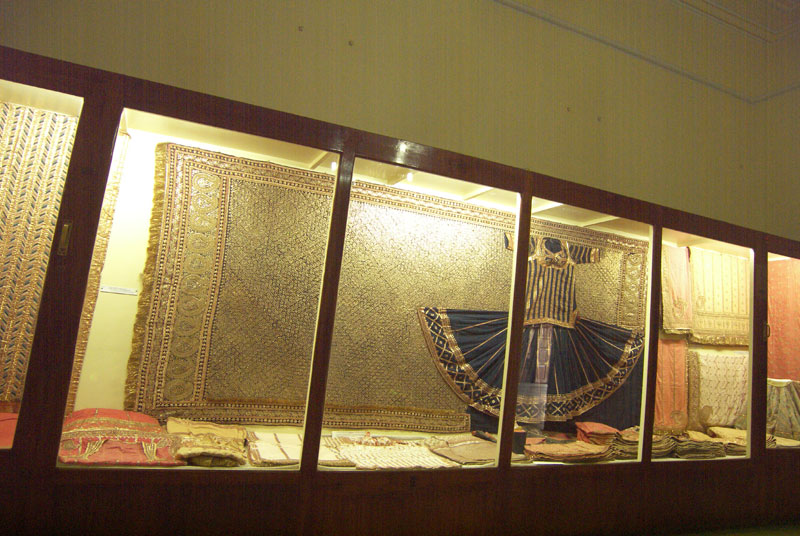
Chandra Mahal: The seven-storeyed Chandra Mahal, also known as the Chandra Niwas, is located in the west end of the complex amidst beautiful gardens and a lake. Each floor of the structure has been given a name such as the Pitam-Niwas, Ranga-Mandir, Sukh-Niwas, Shri-Niwas, Mukut Mahal and Chabi-Niwas. The walls of the building have been ornamented with exclusive paintings, splendid works of mirror and floral adornments. However, the visitors can visit only the ground floor where manuscripts, carpets and some other goods from the royal treasure have been stored.
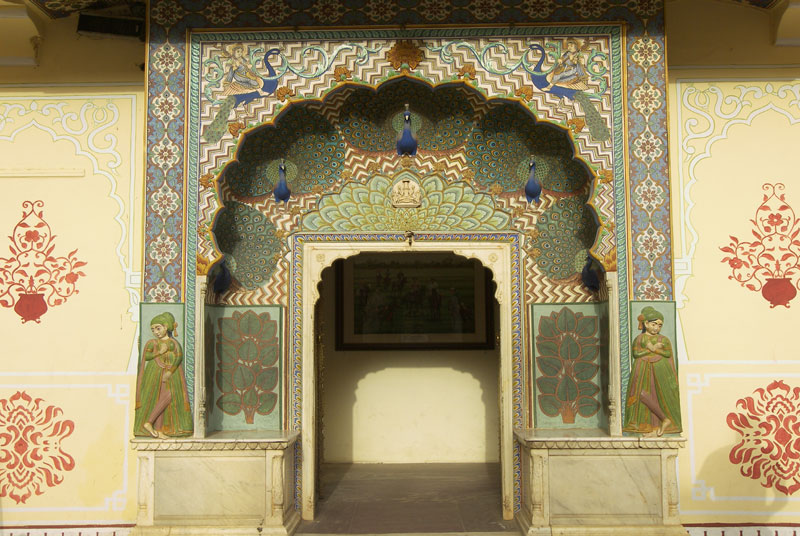
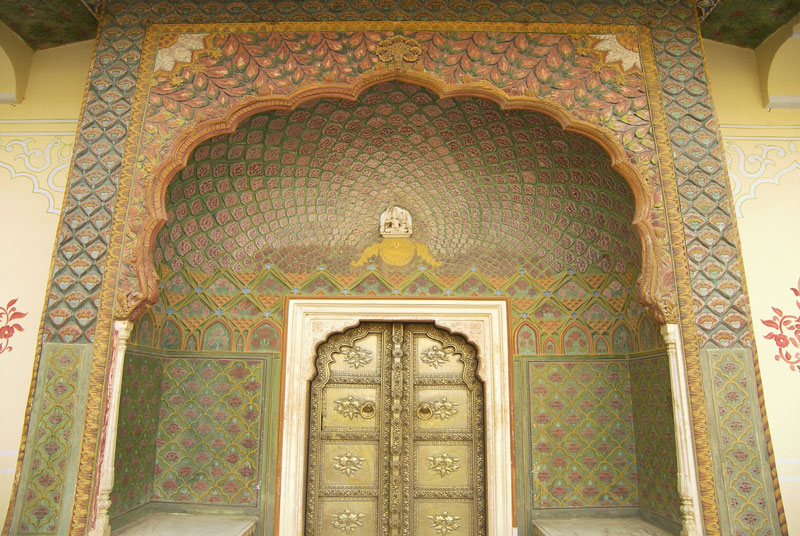
Pitam Niwas Chowk: While paving your way to the Chandra Mahal, you will walk through an inner courtyard, Pitam Niwas Chowk. The chowk has four entry points, also called as Ridhi Sidhi Pol; each has its own beauty and significance. The four gateways symbolise the four seasons and are dedicated to Hindu deities.
The gateways are:
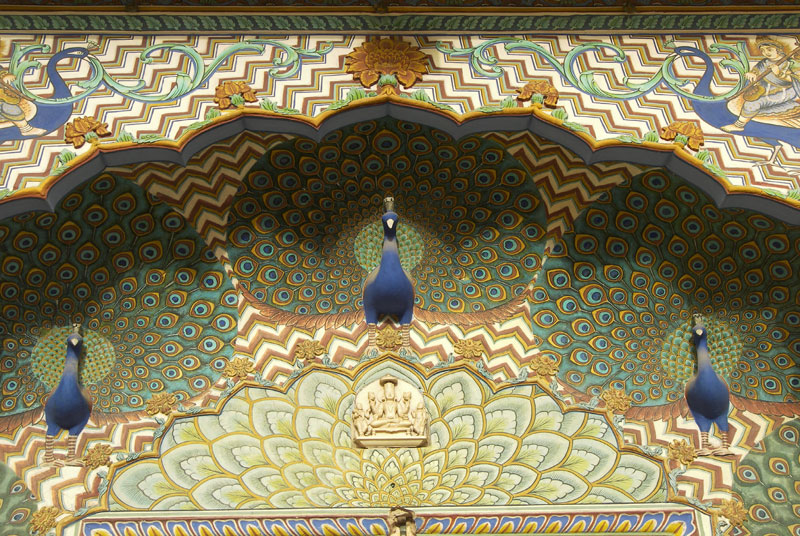
- Northeast Peacock Gate: Adorned with colourful designs of peacocks, the gate stands for autumn and is dedicated to Lord Vishnu;
- Southwest Lotus Gate: This doorway with running floral designs indicates summer season and is dedicated to Lord Shiva-Parvati;
- Northwest Green Gate: Also called as the Leheriya, this green coloured gate paints a picture of spring season and is dedicated to Lord Ganesha;
- Rose Gate: Having beautiful flowers inscribed on it, the multihued doorway represents winter season and is dedicated to Goddess Devi.
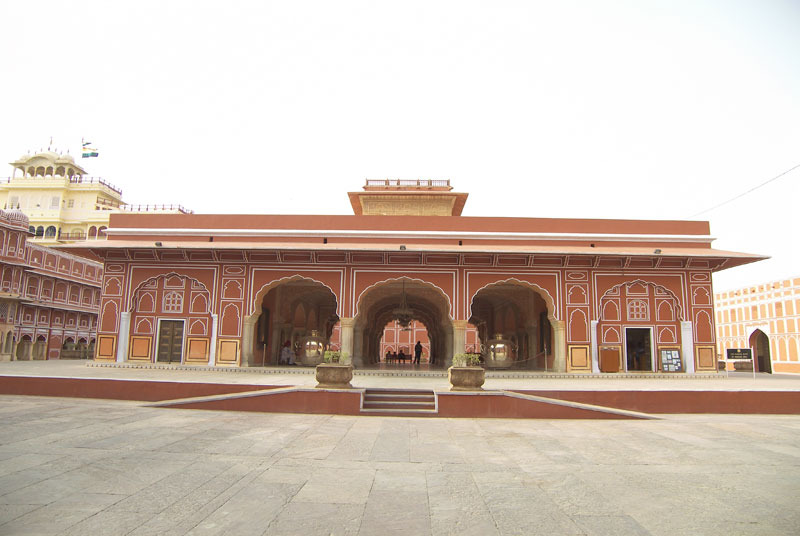
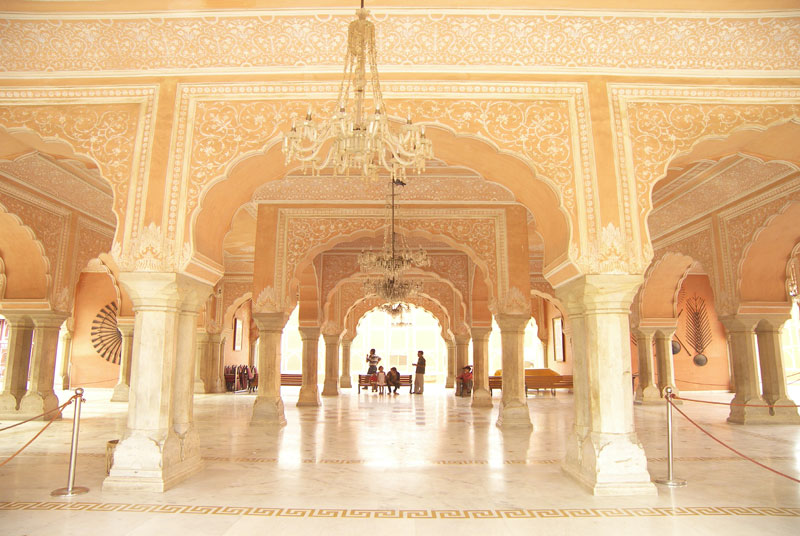
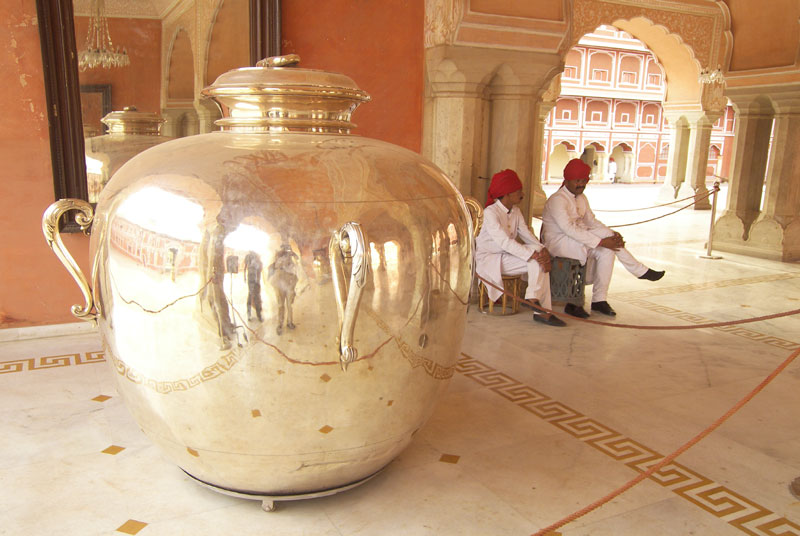
Diwan-I-Khas: A private audience pavilion of the Maharajas was called as Diwan-I-Khas. The chamber is also known as Sarvato Bhadra, meaning open from all four sides but not corners. It is a marble floored hall, located between the armoury and the art gallery. In the hall, there are two 1.6 metres high vessels of pure silver having a volume of 4000 litres and weighing 340 kilograms.
Diwan-E-Aam: A hall made for holding public meetings and gatherings, the 'Diwan-E-Aam' or the Sabha Niwas is one of the important structures of the complex. The ceiling of the building has been painted in vibrant colours. However, the chamber has now been turned into an art gallery, displaying exquisite miniature paintings of Persian, Mughal and Rajasthani art. Under the richly decorated ceiling, it also stores ancient texts, embellished rugs and carpets. Also, the visitors must take a look at the Golden throne, famous as Takth-e-Rawal which was used as the seat of the Maharaja.
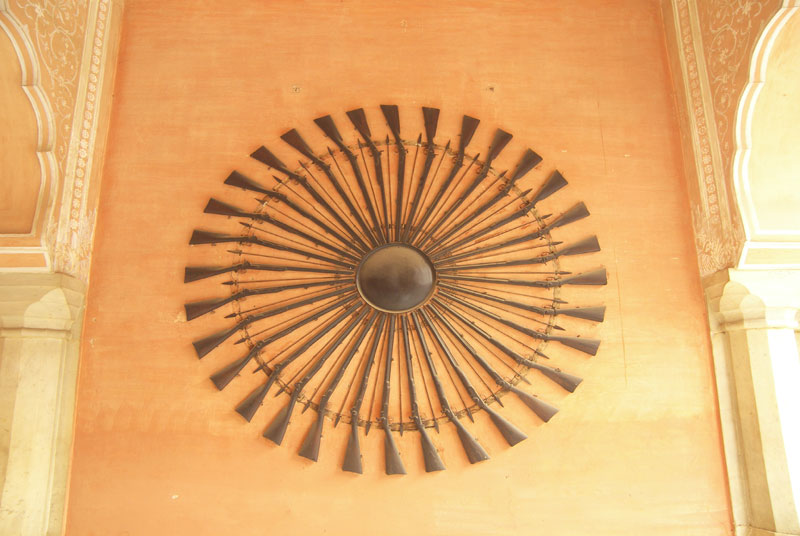
Maharani Palace: As the name suggests, this place was occupied by the royal queen. Presently, it's serving the purpose of a museum, housing arms and weapons of the royal clan. The ceiling of this compartment has been adorned using semiprecious stones and gems.
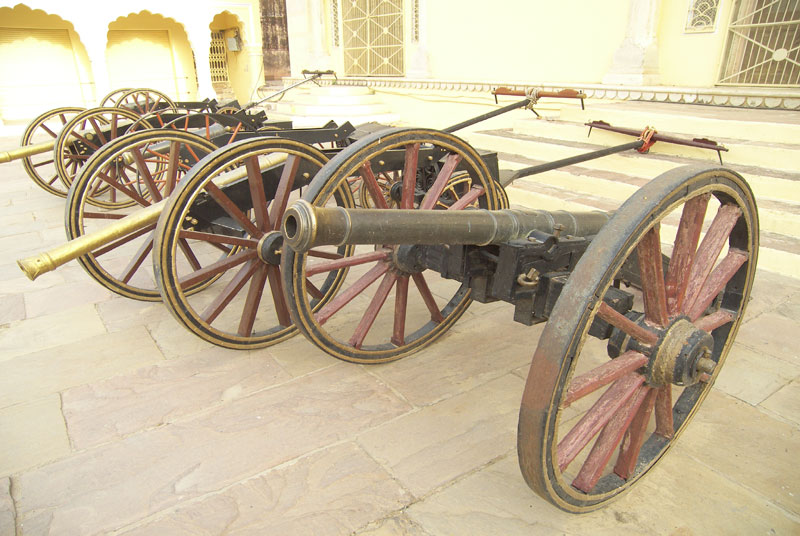
Bhaggi Khana: In the palace complex, the Bhaggi Khana is one place where you can get a glimpse of different kinds of old carriages, palanquins and European cabs which were used by the royal family. Among the numerous coaches and carriages here, there is a European bhaggi which the Maharaja received as a gift from the Prince of Wales in the year 1876. It is famous as the Victoria bhaggi.
Jaipur City Palace - Entry Fee, Timing, Address, Official Website | |
|---|---|
| Address | Kanwar Nagar, Pink City, Jaipur, Rajasthan - 302002 |
| Entry Fee | Entry fee for Indians: 75 Rs. Entry fee for Foreigners : 300 Rs. Entry fee for Children : 40 Rs. |
| Timing | Visiting Hours - 9.30 AM - 5.00 PM |
| Phone No (Official) | +91-141-4088888 |
| Official Website | www.msmsmuseum.com |
| Photography allowed or not | Allowed |
| Photography Fee | For Indians : 50 Rs. For Foreigners : 50 Rs. |
| Videography Fee | For Indians : 150 Rs. For Foreigners : 150 Rs. |
| Nearest railway station | Merta Road Jn Railway Station |
Last Updated on : May 12, 2026
