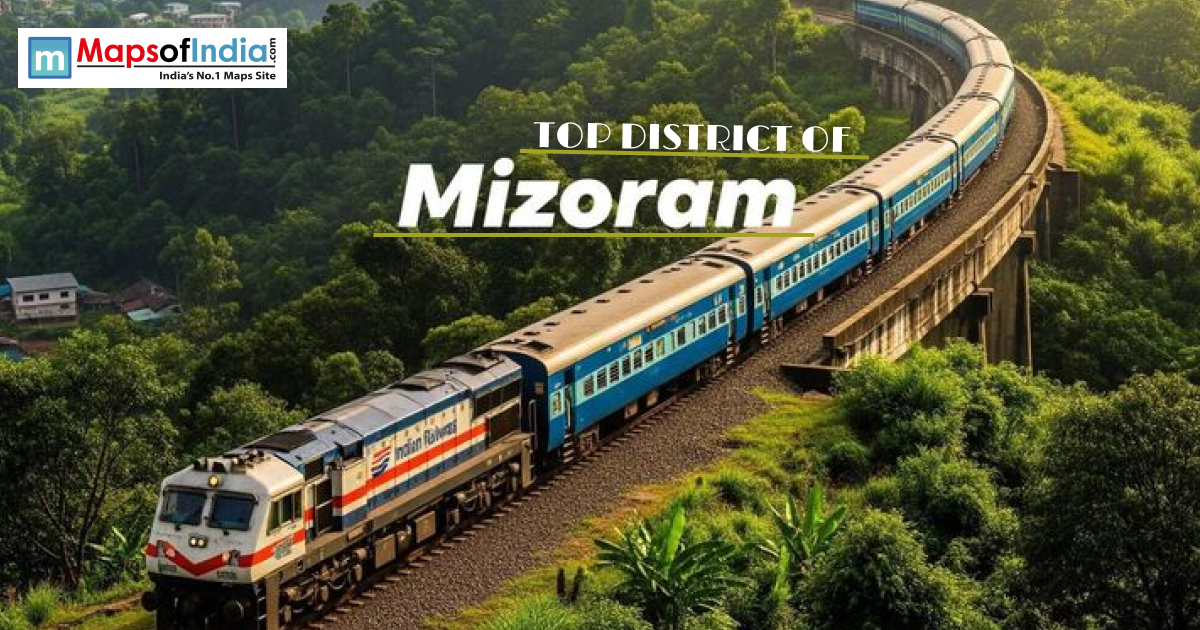
Mizoram is a state of the most scenic northeast of India, and it is a place that is the land of rolling hills, green vegetation and rich tribal culture. The state is not big; however, it is split into a number of different districts, each of which provides a different combination of natural beauty, history, and traditions. These districts will offer a better insight into the nature of identity and the beauty of Mizoram. Below is a closer examination of some of the best districts that are characteristic of this beautiful state.
Aizawl District
The cultural, administrative and economic centre of Mizoram is the Aizawl district, which is the home of the capital city. Aizawl is nestled between steep ridges, giving it some of the best panoramic views of hills and valleys. The area has a known urbanized lifestyle that is well organized, and modern infrastructure is blended with the traditional Mizo values.Such markets like Bara Bazar mirror the common life of the locals, where fresh goods and even traditional crafts. The district is also home to other significant cultural establishments, such as the Mizoram State Museum, which holds the heritage and history of the Mizo people. Aizawl serves as the gateway to tourists and provides the impression of what the rest of the state has in store.
Lunglei District
Lunglei, which is the second-largest district and is situated in the southern region of Mizoram, is a place of a serene environment. The area is named Lunglei, which translates to bridge of rock, due to a natural formation of rocks in the area.Lunglei is not as busy as Aizawl, and is a more relaxed experience. The area is enclosed by beautiful scenery of rolling hills, rivers, and thick forests. It is a perfect place to visit when you are in need of solitude and nature. Lunglei is the best place to get the true Mizo culture due to the high degree of traditional practices and community living.
Champhai District
Champhai district is also characterized by distinct geography and agricultural importance. It is commonly called the Rice Bowl of Mizoram, and boasts of rare flat stretches of land with fertile paddy fields on them. Champhai, which is located close to the border of India and Myanmar, is also culturally and historically significant.Rih Dil is a holy lake, which is situated just over the border in Myanmar, and is one of the most significant attractions that are linked with this district. Vineyards and wine-making are also becoming popular in Champhai, and this has become a unique addition to the identity of Champhai. The district is a fantastic blend of nature and culture.
Serchhip District
Serchhip district is well placed and is generally known due to the high literacy level and focus on education. It represents the enlightened region of Mizoram, where development is inseparable from culture preservation.Vantawng Falls, the tallest waterfall in Mizoram, is also a huge tourist attraction in the district. The waterfall is encircled by thick forests and has a spectacular view and a serene environment. Thenzawl is also a town of the handloom industry and traditional textiles, which are part of Serchhip. The combination of the beauty of nature and intellectual development that is characteristic of the district makes it especially remarkable.
Kolasib District
Kolasib district is located in the north of Mizoram, and it is bordered by Assam. Owing to its strategic location, it is a significant trade and connectivity centre in Mizoram and the rest of India.The district is also rich in natural resources and is also characterized by rivers, forests, and beautiful landscapes. One of the landmarks in the Kolasib region is the Serlui B Dam, a hydro power plant as well as a recreation centre. The natural beauty and economic importance of Kolasib make it a part of the state.
Mamit District
Mamit is a large district of Mizoram, and it is an area where there is dense forestation and high biodiversity. It contains the Dampa Tiger Reserve, which is one of the most important wildlife reserves in the region.The area is a paradise for wildlife tourists and eco-tourists, where it is possible to visit untouched forests and see various plants and animals. The distant and natural location of Mamit is compared to the more civilized districts and highlights the rudimentary natural beauty of Mizoram.
Saiha District
Saiha, which is the furthest south of Mizoram, is regarded as being remote and culturally diverse. A number of tribal communities live in the district and add to its rich cultural fabric.One of the major sites of Saiha is Palak Dil, which is the largest natural lake in Mizoram. The lake is not merely a picturesque spot, but also has cultural and mythical importance to the surrounding population owing to the green vegetation that surrounds it. Saiha is peaceful and full of experience, and it is recommended to those who want to discover the not-noisy Mizoram.
Conclusion
Mizoram districts are not merely administrative zones, but they are mirrors of the various landscapes, cultures, and lifestyles of the state. The colourful and busy Aizawl district and the distant and peaceful Saiha have their own attractions.They all create an image of a state, which is a cultural place, a place that is blessed with natural beauty and one that is steeped in tradition. Whether you are planning to visit it or you are just reading about it, a comprehensive knowledge of these districts can give you a good idea of what Mizoram is all about.