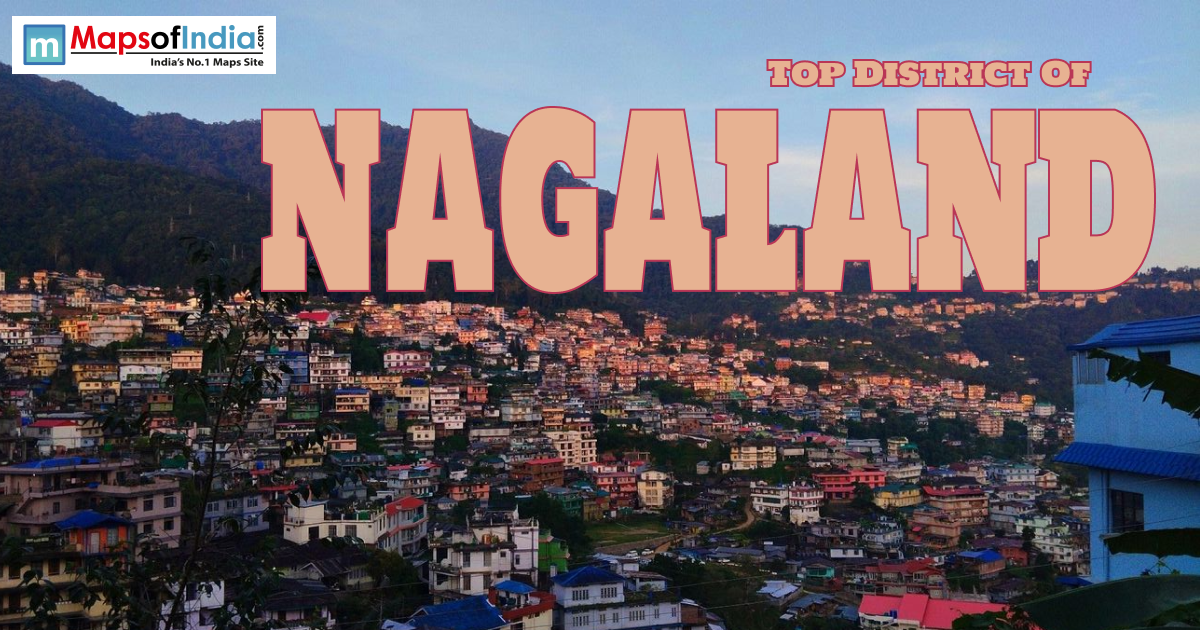
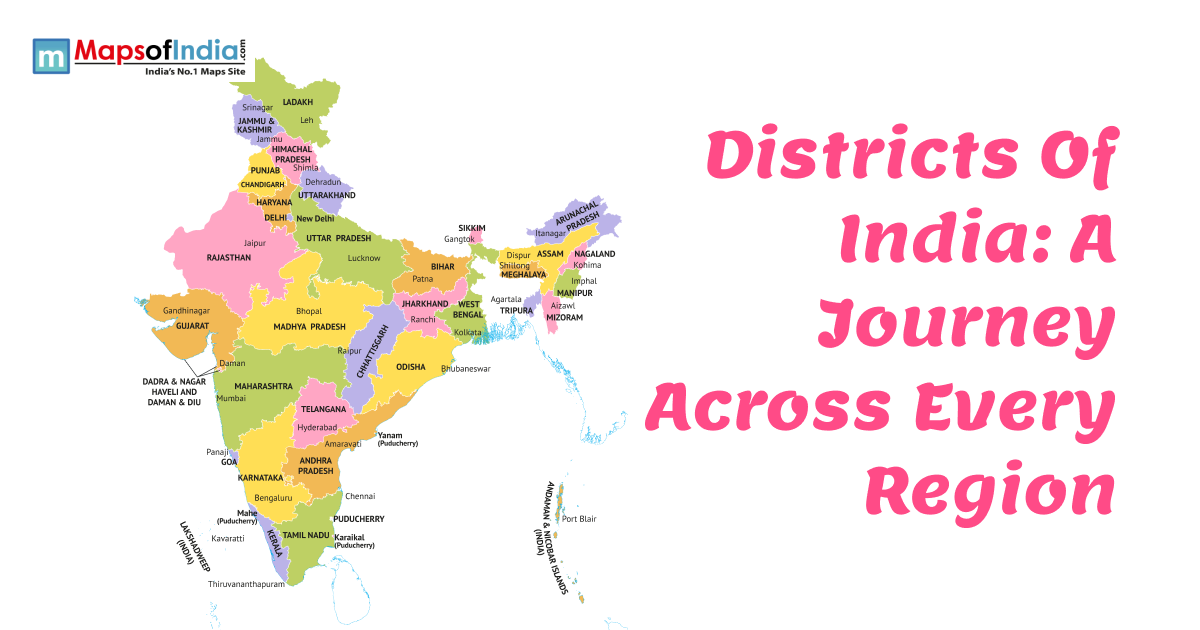
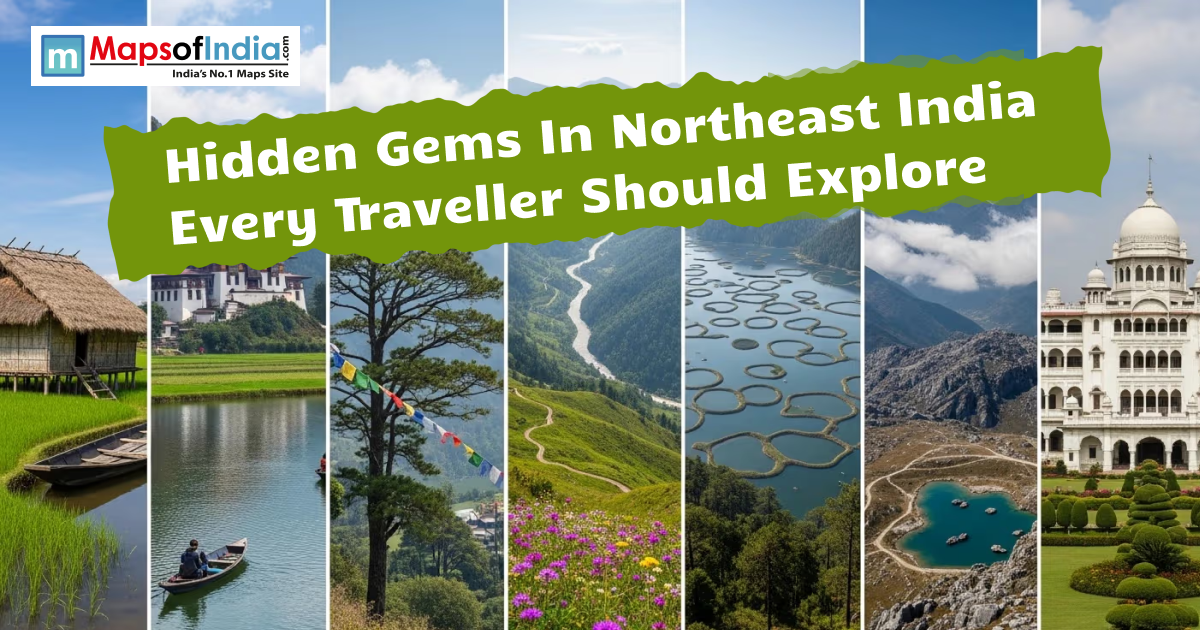
Nagaland is a culturally, tradition-immersed, and naturally beautiful state of India, located in the northeastern region of this country. It is referred to as the Land of Festivals, and it is home to various Naga tribes, each possessing its own traditions, language, and history. The state is subdivided into multiple districts, and each of them provides its own vision of life in Nagaland. These districts create the image of the state, covering bright city centres to the distant picturesque landscapes. This is a closer examination of some of the best districts of Nagaland that are remarkable in terms of cultural and geographical importance.
Kohima District
One of the most noticeable and historical regions in Nagaland is the Kohima district, which houses the state capital. It is mostly known because it was used during World War II, especially the Battle of Kohima, which has been commonly known as one of the turning points of the war in the eastern theatre. It is a war memorial to those soldiers who died in this conflict, and this is the Kohima War Cemetery.Kohima is a cultural centre besides its historical significance. It is the location of the popular Hornbill Festival in December, when different Naga tribes gather to share their culture and traditions with music, dance, crafts and food. Picturesque beauty is also available in the district, consisting of terraced fields, rolling hills and attractive villages. Kohima is an ideal combination of history, culture and nature.
Dimapur District
The commercial and economic centre of Nagaland is Dimapur, the major access point to the state. It has the sole railway station and airport, thus a very important transport and trade centre.Dimapur is also more urban and busy, in contrast to the quieter hill districts. It houses markets, shopping malls, and business institutions that serve the locals and visitors. The area is also historic, and the remains of the ancient Kachari Kingdom are present nowadays. Dimapur offers a comparison with the more traditional lifestyle of the rest of Nagaland and presents a more modern and fast-paced aspect of the state.
Mokokchung District
Mokokchung district is regarded as the cultural centre of the Ao Naga tribe, which is one of the largest tribes of Nagaland. It is characterized by a high level of community relations, strong traditions, and maintained cultural customs.The district is full of beautiful villages like Ungma and Longkhum that provide an idea of the Naga traditional life. Such celebrations as Moatsu are very popular and include folk songs, dances, and feasts. Scenic beauty is also the speciality of Mokokchung as the hills and valleys form a soothing and welcoming nature. It is a perfect place to visit when one wants to learn more about Naga culture.
Mon District
Mon district is a district in the northern region of Nagaland and is hailed as the home place of the Konyak tribe, which is one of the most interesting tribes in the area. Konyaks were also referred to as headhunters, and the distinctive features of their traditions, their appearance with tattoos on their faces and fantastic ornaments, made them stand out.Mon provides a pure and real experience of tribal life. Of interest here are the villages, especially Longwa, whose houses are on the India-Myanmar border. The district is not as developed as others, and this contributes to its appeal, as you can get a glimpse of a lifestyle that has not changed much with time.
Tuensang District
Tuensang is a large part of Nagaland and has a historical significance since it was one of the initial administrative centres during the establishment of the state. Some of the tribes that reside here include Chang, Sangtam, and Yimkhiung communities.The district is characterized by cultural diversity and traditionalism. Rituals, festivals, and community get-togethers are important in everyday life. The scenery of Tuensang is that of hills, forests and rural settlements with a calm and unpolluted environment. It is a place where tradition is still very much imbued in daily life.
Wokha District
The Lotha tribe is the major population of Wokha district, and it is characterized by its natural beauty and agricultural abundance. It is usually called the Land of Plenty since the land is fertile and rich in produce.The area is known to have beautiful scenery such as hills, rivers, and orchards. Doyang River and its dam are also another interesting tourist destination, particularly during the migratory period when thousands of Amur falcons can be observed. Wokha is also known to grow some of the best fruits and crops in Nagaland. It is a unique district due to its combination of natural beauty and agricultural importance.
Phek District
Phek district is the other significant area within Nagaland, which has beautiful landscapes and a rich culture. It hosts the tribe of the Chakhesang and has a number of beautiful villages.The most remarkable thing about Phek is that it has the Dzukou Valley, commonly known as the Valley of Flowers of the Northeast. The valley is known for its seasonal flowers and spectacular scenery. There are also terraced farming activities that increase the beauty of Phek. The district is serene, and it is perfect for nature lovers and trekkers.
Zunheboto District
Zunheboto district is mainly occupied by the Sumi Naga tribe and is characterized by a strong warrior culture and colourful festivals. The district is rich in cultural heritage, and the traditions and practices are still being practiced.The Zunheboto area is characterized by hills and forests, which have offered a picturesque background to daily life. Such festivals as Tuluni are celebrated with a lot of spirit and togetherness of the community. It is a significant component of Nagaland's identity because the district is a combination of culture, tradition, and natural beauty.
Conclusion
Nagaland has as many districts as different tribes, and each of them provides a different insight into the rich heritage and natural beauty of the state. Whether it is the historical or the cultural importance of Kohima or the commercial activity of Dimapur, and whether it is the traditional way of life of Mon and Tuensang or the natural beauty of Phek and Wokha, each district has a story to share.Travelling to these districts enables one to see the real picture of Nagaland, a state where the vintage and modernity do co-exist and where culture is embraced in all areas of life. As a traveller, a culture lover or just a person in general who is interested in the northeastern side of India, the Nagaland districts offer a very exciting and enriching experience.