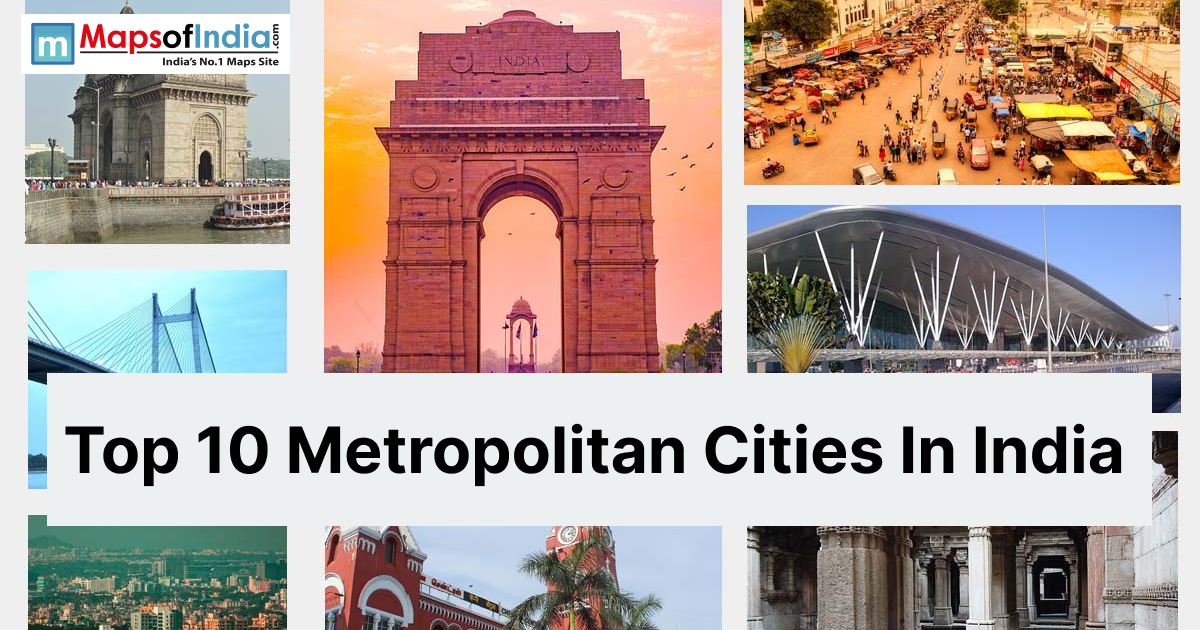
Big cities aren’t only about crowded streets. What makes them stand out comes down to solid systems, business strength, links through transit, and how they shape culture. Across India, such areas usually count at least ten lakh people living there. Work draws many toward these places, as do schools, hospitals, movement of families seeking new lives. Big cities steer how nations grow, setting the rhythm for today's India. Not just money matters happen there, power decisions, fresh ideas, culture pulses too. Old royal seats now share space with tech zones, shaping progress. What lifts leading metros is their mix: size that works, chances that draw people, character you can feel.
Mumbai
Dreams shape its streets, Mumbai standing tall as India’s brightest urban face. Not just money moves here, the heartbeat pulses through the Reserve Bank, stock markets, and big company hubs. Films light up another lane, and Bollywood hums day and night. From every corner of the nation, folks arrive, pulled by jobs in commerce, screens, and deals. Life shifts fast, chances hidden in traffic, noise, sudden conversations. Out here, where streets pulse nonstop, Mumbai thrives beyond expense and congestion. Not just ports, but its swarm of local trains plus deep ties to world markets keep the city running hard. Few Asian hubs match that drive.
Delhi
Delhi is the capital and one of the world's biggest metropolises. It is the hub of Indian politics, government, and diplomacy. Parliament, the Supreme Court and the major ministries are situated here. The NCR surrounding Delhi comprises Gurugram, Noida, Ghaziabad and Faridabad. They increase Delhi's economic power. Delhi intermingles the old and the new: Monuments coexist with business districts and the metro. Delhi is also a prominent player in the fields of education, media and services. Due to its strategic importance, Delhi is the most influential administrative city in the country. It is one of the largest metropolitan centres of India by population.
Bengaluru
Bursting with energy, once quiet lanes now hum under digital ambition. Home to coders, dreamers, and machines thinking ahead of time. Where global names share streets with garage-born ideas rising fast. Young minds arrive by train, bus, flight, drawn by what clicks, computes, creates. Not just buildings but brains reshaping how India works online. Night lights glow from screens more than streetlamps these days. What keeps the city on the map? Strong schools mixed with a drive to start new ventures. Even as roads clog and systems strain, it shapes how India thinks about tech growth and city life today.
Chennai
On top of being an industrial hub, Chennai holds tight to its traditions. Not just known for cars, it's nicknamed India’s Detroit for good reason. Healthcare thrives here, while schools and tech firms add steady momentum. Trade flows through its busy port, shaping much of the city’s role. Unlike some sprawling cities, this one grew with clearer layouts from the start. Even as growth pushes forward, echoes of Carnatic rhythms, film reels, and Tamil roots hold strong. Not just numbers on a chart, but tradition woven into daily life, that is what gives Chennai its steady pulse among India's big cities.
Hyderabad
Nowhere else in India grows quite like Hyderabad does these days. Once famous only for old tales and the four-towered Charminar, its skyline pulses today with tech parks and medicine labs. HITEC City stands tall as proof where tradition bends smoothly into glass towers and server rooms. Global companies arrive drawn by promise, yet stay because streets still speak Telugu, serve biryani slow-cooked, and build domes that echo the past. Life here costs less than Mumbai’s rush or Delhi’s price tags, so workers find room to breathe, and firms discover space to plant roots.
Kolkata
Kolkata is one of India's first great cities and is historically significant. When it was the capital of India, as now, its ideas, books, art, and schools continue to hold sway far and wide. It was once a place of learning for the whole of the country, and continues to be a centre for both publishing and academia. But for example, its port still moves its markets eastward, and its industry, though not as fast-growing as those in western India, pours out art and antiques that continue to influence nearby regions. It still remains one of India's principal cities on paper.
Pune
Pune, traditionally a city of education, has evolved into one of India's economic centres. Universities, research centres, and technical institutes in this city attract not only manufacturing industries but also information technology companies. Fancy offices and high-technology industries make for good homes for skilled labour. The city is a short distance away from the metropolis Mumbai, but has far more relaxed beats of life and can be compared to a city that is not in a rush. With a gradually increasing population and automobile manufacturing plants, this city is setting a trend of modernisation over the younger Indian metros.
Ahmedabad
Ahmedabad is a statement of business vigour and enthusiasm and is one of the urban centres in western India, where business and industrial growth are significant. The city deals in the production of textiles, chemicals, pharmaceuticals and finance. Apart from the urban qualities, the city also encompasses urban development and business infrastructure projects. Ahmedabad has a vibrant, dynamic industrial thought and thought process and is surrounded by the historical significance of Gandhi and Sabarmati.
Surat
Globally, Surat stands out because of its diamond work and fabric industry. Though small in size, it handles most of the planet's rough stones before they turn into jewellery. Growth here doesn’t scream; it just keeps moving, faster than bigger Indian cities around it. Roads that flow, waste systems that actually function. While others stall, this place quietly upgrades water lines, power grids, and street lighting without fanfare. Efficiency isn’t promised here. It simply shows up. Nowhere grows quite like Surat, packed tight with people yet pushing outward fast. A sharp focus on industry reshaping the whole city from within drives it.
Jaipur
Most know Jaipur for palaces and postcard sights. Yet beneath that image sits a bustling urban centre growing fast in schools, clinics, hospitals, and offices. Being Rajasthan’s seat of power helps blend government work with business flow. New roads rise without burying old facades. Its grid design stands out, not just by shape but soul. Few cities balance blueprints and heritage so plainly. People come here for work, others for the way of life. What once was old now powers a growing city forward.