Kerala wears many colours. Some places hum with history, others whisper through palm trees by slow rivers. One spot might hold an old temple tucked beside misty hills, while another opens to wide beaches where sun meets sea without hurry. Each place moves at its own pace, shaped by what lies beneath rock, memory, and trade routes long used. You find life measured in boat rides between villages, or spice markets near towns that never fully sleep. Not every corner shouts, but several speak louder across time, land, and work done here, generation after generation. The map fills with quiet strength rather than noise. Even stillness feels active when seen closely. What grows from soil also rises from people who stay rooted yet reach far.
Thiruvananthapuram
Kerala's capital, Thiruvananthapuram, holds old customs alongside new ways of living. Inside its busy streets sits the grand Sree Padmanabhaswamy Temple, built for Lord Vishnu, known across India as both holy and wealthy. Visitors often walk through the historic Napier Museum, then pause at the nearby Zoological Garden, before ending their day near the calm waves of Kovalam Beach. Tech life thrives here too, thanks to Technopark, one of the country’s earliest IT zones, which quietly turned the city into a digital centre over time. Out here, schools stand solid while clinics keep pace. Much like a place where old palaces meet new sidewalks without tripping.
Ernakulam
Busy streets, glass offices, Ernakulam hums louder than most in Kerala. Kochi sits right at the heart, moving goods by sea and powering factories inland. Waterways twist through villages here, quiet under coconut shadows. Old buildings stand crooked near the shore, painted bright by time and salt air. A long road hugs the coast, filled every evening with slow walkers and street lights flickering on. Schools draw students from far towns, clinics welcome patients across states, and boats fill up daily with visitors chasing calm views. Getting there is easy thanks to flights and frequent trains. A lively area powers the state's economy yet keeps its green spaces and traditions alive.
Kozhikode
On India's west coast lies the city of Kozhikode (earlier called Calicut), known as the place where Vasco da Gama landed in 1498. Due to its position, it became a very important part of the spice trade over the centuries. This maritime city witnessed the passing of several trade routes, which have played a key role in its history. Food aficionados often associate the region with the Malabar cuisine, especially its aromatic biryani and seafood dishes. Besides that, the beach stretches are perfect for peaceful strolls, and the ancient mosques serve as historical monuments. Mananchira Square is the core attraction here, offering a place to come together culturally. It is a centre of education and the free flow of ideas, much like the seashores along which the old trade routes still exist with a subtle presence. Just as ships were used to bring faraway goods, nowadays ideas travel with equal ease.
Thrissur
Known for the magnificent Vadakkunnathan Temple, Thrissur annually bursts with the vibrant spirit of Pooram, one of the largest festivals in Asia that attracts huge crowds. Despite being notorious for these monuments, the city is also a hub for indigenous dance, voice, and other performance arts. Besides that, literature is prospering in Thrissur just as much, being an essential and inseparable part of people's lives throughout the generations. There is also a very good support for education in Thrissur, along with a crowded market where gold is the most frequently traded item. Culture here is not something that is put on, but rather it is the existence, the very soul, the movement of the city without any signal. Quietly falling like a secret whispered in the green hills, these waterfalls are so beautiful and calm that they have been given the name fair and quiet. It is a land full of memories where the old customs are still carried out leisurely.
Alappuzha
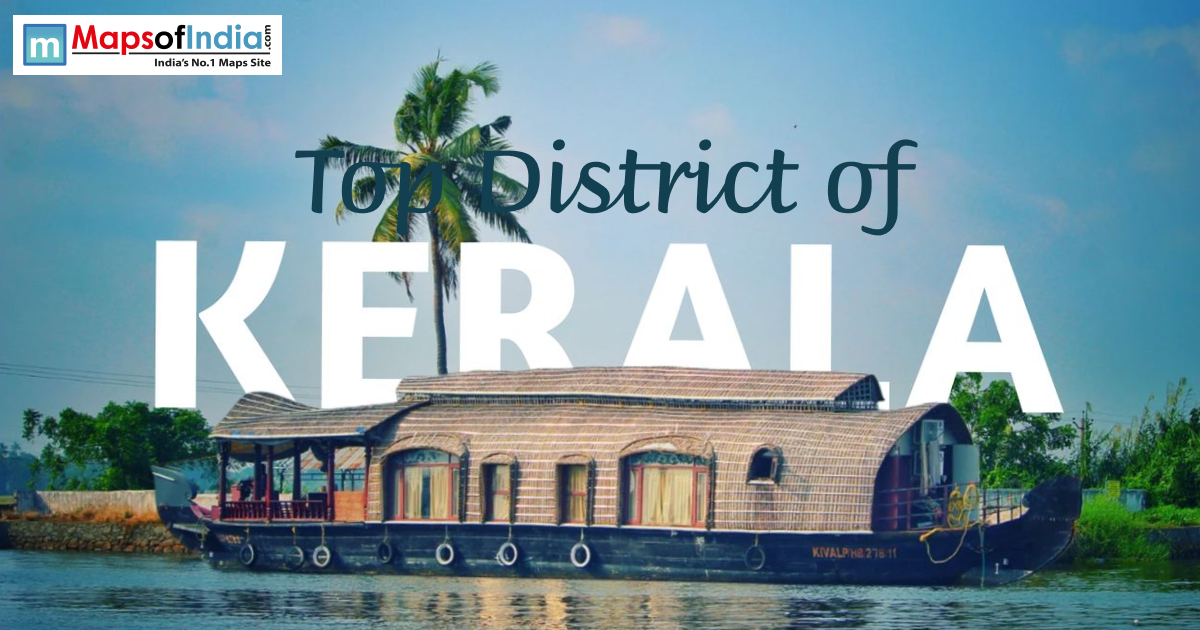
Alappuzha doesn't rush water shapes; it slowly channels winding like threads through villages. Floating homes drift on mirrored lakes, palm trees swaying without a sound. Life moves along narrow rivers, green branches shading the path overhead. The thing is, Marari draws travellers with soft sands under wide skies. Feet sink in, and there's no hurry. Boats once carried goods, now carry visitors through still waters. Coir ropes twist from coconut fibres just as hands have for generations nearby. This place breathes calm, light, and silence, painting the view softly. Venice wears a crown, but this corner of India has its own floating grace.
Palakkad
Far beyond the quiet roads, fertile fields roll through Palakkad, often seen as Kerala’s front gate. Rising where the land stops, the Western Ghats stand firm and silent. A stone fortress rests in the middle of the town, put together on Hyder Ali’s command years back. Though worn by time, it holds its ground, catching eyes without trying. Up in the hills, dams collect water, smooth as glass, waiting without sound. Year after year, farms keep going without pause. Golden rows of rice sway while coconut trees stretch overhead. Far within the area lies Silent Valley National Park. More than just greenery, it shelters living creatures and uncommon plants. Linking coast to highland, this place ties together Kerala’s low shores and mountainous interior. Here, nature works just fine, and forests hold on to old tales.
Wayanad
Breathtaking hills in lush green colour pass through Wayanad, which is one of the coolest and most scenic highlands in Kerala. Here, the misty shrouding of hills and forests is a great attraction for the visitors who come for an encounter with Nature at its best. Hidden, ancient rock carvings can be seen inside the Edakkal Caves, and wild animals live in the Sanctuary near. Climbers strongly feel like going to Chembra Peak mainly through the attractive view from the Summit of the Clouds. Spice gardens cover the valleys, and the intermixture of old traditions with the hands of the locals is kept alive. Green treetops slowly fall down, and the cool air blows far away from the hot lowlands.
Kannur
Kannur stands out because of weaving by hand, plus fiery Theyyam dances under open skies. Along its edge, sea meets land in sweeping stretches where waves touch old fortress walls. One such place, built centuries ago, watches over the water. St. Angelo holds stories without speaking them. Nearby, sand spills wide at Payyambalam, quiet even when full of people. Fighting styles once trained here, passed down through bodies more than books. Culture lives loud in rhythms struck on drums made of wood and hide. Not just a dot on Kerala's map, it breathes history through craft, combat, and ceremony woven into daily life.