






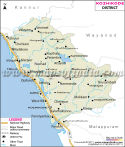
About
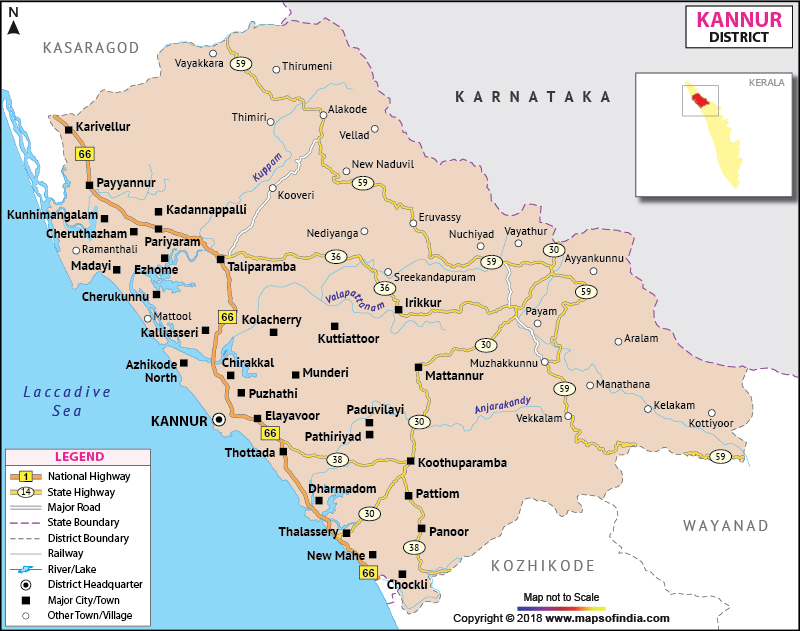
Kannur is a very old and important city in Kerala. It is the headquarters of Kannur district and is known for its great history, beautiful beaches, traditional handloom industry, historic forts and also its alive cultural heritage. Situated on the Malabar Coast by the Arabian Sea, for years Kannur has been a center for trade. Today it plays a key role in the economy of north Kerala through trade, tourism, education and local industries.
The city is home to a great many of Kerala’s traditional arts and customs. It is also known for Theyyam, a very colorful ritual performance which brings in visitors from all over India. The city’s cultural identity is what really sets it apart.
Kannur is also a home to a large weaving industry. The handloom products from the district are known for their quality and traditional design. We see many families have been into weaving for generations which also makes it a very important source of income.
Education and in health care there has been a steady growth in Kannur over the years. We see schools, colleges, universities and hospitals which also serve adjacent districts in addition to local residents. These institutions have improved the quality of life and at the same time have created many job opportunities.
Tourism is a major component in Kannur’s growth. We see clean beaches, historic forts, religious sites and natural beauty which draw in visitors all year round. Also we have good road, rail and air access which in turn has made travel to Kannur easy.
Today in Kannur we see growth which is at the same time a preservation of the city’s heritage. Business, tourism, education and local industry are the forces behind the city’s development which at the same time are preserving its unique cultural identity.
History & Culture
Kannur has a long historical background of over many centuries. By virtue of its position on the Malabar Coast the city became a key player in maritime trade. Arab, Chinese and European traders came to Kannur to purchase spices, timber and other precious products.
Before the 15th century the region was ruled by many local kingdoms. Later the Dutch and the British also set up shop here. Their influence is present today in some of the city’s forts and colonial structures.
In Kannur, a must visit historical site is St. Angelo Fort. The fort was built by the Portuguese in 1505 but over time came under the Dutch and British. Presently it is what people mostly see in the city related to heritage.
Kannur is the home to Theyyam which is one of Kerala’s oldest ritual art forms. In the Theyyam performances artists put on colorful costumes, detailed face paint and large headgear and they perform traditional dances related to local beliefs and customs.
The city is a hub of year round festivals which see the whole community out in great spirit. Onam, Vishu, Eid, Christmas and the various temple festivals see different groups of people come together and which at the same time also present an image of how we as communities get along.
Kannur is home to many traditional crafts which also include handloom production and local art forms. These traditions are handed down through the generations.
Economy
Kannur has a diverse economy which is supported by agriculture, handloom weaving, tourism, trade, health care, education and small industries. Also in recent years we have seen the introduction of new business areas which in turn has supported the city’s steady growth.
In Kannur the handloom sector is very well known. We see there a great range of cotton fabrics, household textiles and traditional products which are sold all over India and exported to other countries.
Agriculture is still a primary sector in many areas of the district. Coconuts, cashews, rubber, spices and paddy are main crops which local farmers grow.
Tourism is a job creator for hotels, restaurants, transport services, travel agents and local markets. Also which in turn supports many small businesses all year round.
Education is a large player in the local economy at present. Colleges, universities and training institutes bring in students from the different districts which in turn brings in support for the education sector.
Government Sector
The government sector also includes employment in district administration, government schools, colleges, hospitals, police departments, courts and public works offices.
Government agencies are reporting progress in terms of roads, drinking water supply, sanitation, health care, education and public infrastructure. Also we see that welfare schemes for students, farmers, senior citizens, women and economically weaker sections of the population are in place.
The district administration is also into housing projects, environment protection, rural development and better civic facilities for residents across the district.
Public Sector
Public sector organizations provide a great deal of what Kannur’s population requires on a daily basis. Nationalized banks, transport and utility companies serve the needs of businesses and institutions and also include the residents in the urban area.
The Kerala State Road Transport Corporation runs buses which cover Kannur’s connection to Kochi, Kozhikode, Kasaragod, Wayanad, Bengaluru, Mangaluru and also many other cities. Also from Kannur Railway Station you can get excellent train travel within Kerala and to other parts of India.
Public authorities run the electricity supply, drinking water, sanitation and civic infrastructure. These services support homes, hospitals, schools, industries and commercial establishments which in turn see the city’s steady growth.
Services Sector
In Kannur’s economy the services sector is very much a key player. In health care, education, banking, tourism, retail, hospitality and information technology we see large scale employment.
Hospitals, colleges, shopping centers, hotels and financial institutions are also what people from nearby districts are into. These services in turn support local business and at the same time we see the growth of new job opportunities for our ever increasing population.
Tourism
Tourism is a very dynamic sector in Kannur. The city which sees large number of visitors for its clean beaches, historic forts, temples, museums and rich cultural heritage. Also many people travel to Kannur to see Theyyam which is one of the oldest and at the same time the most colorful ritual performance of Kerala.
St. Angelo Fort is a popular landmark in Kannur. In 1505 the Portuguese built this fort which today stands by the Arabian Sea and provides great coastal views. It is a site which visitors go to in order to learn about the city’s history and to also enjoy the quiet setting.
Payyambalam Beach is a very popular one in Kannur. With its clean shore line, walking paths and beautiful sunset views the beach is popular with families and tourists. Also it is well maintained which in turn provides a very relaxing atmosphere.
Near Kannur city is located Muzhappilangad Drive-in Beach which is also one of the longest drive-in beaches in India. Here visitors may bring in their cars, do water sports and spend the day by the sea.
The Arakkal Museum presents the story of the Arakkal royal family which is the only Muslim royal family in Kerala. In the museum you will find out that they display an array of old furniture, weapons, documents and historical items which in turn help you to understand the region’s past.
The Parassinkadavu Muthappan Temple is a key worship place near Kannur. All through the year we see large number of devotees at this temple for its religious value and peaceful environment.
The Parassiniadavu Snake Park is also very popular among visitors which is near to Kannur. In this park you can see many species of snakes and reptiles from Kerala. Also for nature lovers we have nearby forests and bird watching spots.
Demographics
According to Census of India 2011 report which recorded a population of over 25 lakh in Kannur district. This district which includes large scale urban centers as well as quiet rural villages has a mixed social and economic structure.
Malayalam is what you will hear mostly in Kannur. In terms of business and education which include schools, colleges and also in government offices English is very much in use. As for Hindi and Tamil which have made their way in due to what education has to offer, trade and employment issues also see to that they are spoken by many.
Kannur has very high literacy rates in Kerala. We have a very well educated population which is a result of the efforts of government and private institutions. Also students from neighboring districts come to Kannur for higher education and professional courses.
In that city people of various religions and communities live at peace. Also they celebrate festivals like Onam, Vishu, Eid and Christmas with great enthusiasm which in turn reflects the district’s cultural harmony.
Many people are employed in education, health care, government services, tourism, banking, retail trade, handloom weavings and agriculture. This large spectrum of jobs supports a stable local economy.
In Kannur modern housing, health care facilities, transport services and educational institutions are seeing an improvement which in turn is supporting the city’s steady growth.
Administration
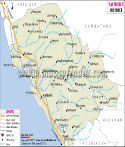
Kannur is the home to the administrative headquarters of Kannur district. Also it is the center which sees to it that various government departments work together to provide public services and support development in both urban and rural areas.
Kannur Municipal Corporation is in charge of civic issues like road maintenance, water supply for drinking, sanitation, waste collection, drainage, public parks and street lighting. We see these measures to which the city is also kept clean and well organized.
The District Collector’s office is incharge of land administration, revenue collection, disaster management, development projects and the implementation of government welfare schemes. Also it is the role of various departments to improve infrastructure and public facilities.
Government bodies run education, health care, agriculture, transport, public safety and environmental protection. Also these departments are improving services for residents at the same time which in the long term will see better growth.
Local government is into building better roads, public transport, health care centers, educational institutions and civic infrastructure. Also they are still working at conservation of Kannur’s beaches, historic monuments and culture.
| Official Name | Kannur |
| Location | Kerala |
| Area | 90.10 sq. km |
| Population | 2,32,486 |
| Language | Malayalam, English |
FAQs
Q1: What is the primary economy of Kannur?
Kannur’s economy is supported by handloom, agriculture, tourism, education, health care, banking and retail which in turn employ a large number of people.
Q2: Is Kannur a great place to live?
Yes, in Kannur you will find great educational institutions, quality health care, modern facilities and a very peaceful environment. It is a very comfortable city in which to live in Kerala.
Q3: Why is Kannur important in Kerala?
Kannur has a rich cultural past, history which it presents through great landmarks, and is a center for handlooms. Also it is a growing tourism destination. It serves also as a main educational and commercial hub in north Kerala.
Last Updated on : July 21, 2026
