Why India Is Among The Hottest Countries In The World
Abhishree Sharma April 29, 2026
Right near the top of Earth's warm belt, India sits where sunshine hits hard nearly every month. Close to the middle line around the planet, much of it rests between the Tropic of Cancer and the equatorial zone. Because of this spot on the map, light from above strikes at a steep angle across wide areas. When seasons shift into warmer months, beams dive straight down, warming soil and air fast. While places farther north get weaker light, here the glow stays fierce week after week. With little break in intensity, ground temperatures climb without slowing. Heat soaks into the flatlands up north, the middle parts of India, and the sandy west. Right there on that stage, warmth builds easily long before people ever step in.
The Thar Desert Meets Hot Inland Winds
Across the Indus River, the Thar Desert influence the distribution of heat across the country. Wrapping the land in heat as the sun blisters down in summer, the desert turns into a huge heat bank. From there, fierce dry winds known as the loose flock out to more northerly and central parts of the country. Whatever is picked up along the way, the wind transports the heat rapidly across states like Rajasthan, Delhi, Haryana, Uttar Pradesh and Madhya Pradesh. However, while the sea breezes are Pungent and airy, the hot desert winds are Handsome and dry with a wire in our voice. This air saps heat and moisture from the resources beneath, making the ground even hotter. Because of that, heat elevates to inordinate levels in numerous locations around the country.
April And May Grow Harsh With Pre-Monsoon Heat
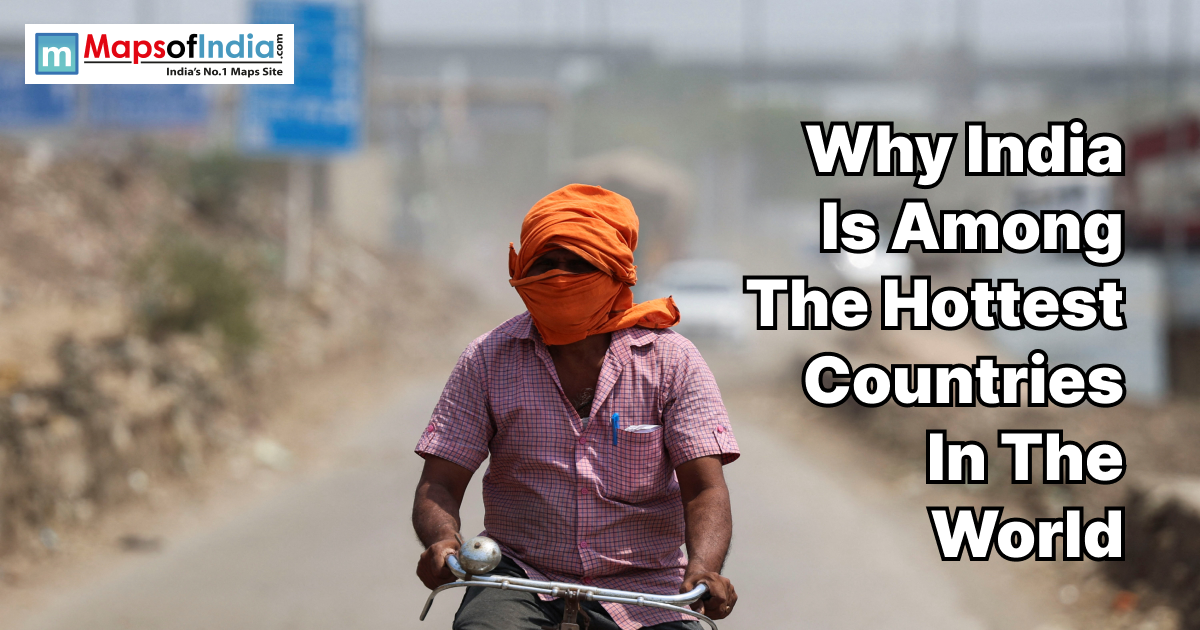
Before the rains come, India faces scorching temperatures that climb without relief. During April and May, the earth absorbs relentless sunlight while clouds stay absent, preventing any cooling shift. Sunlight pours through cloudless skies, unblocked by haze or moisture above. Bare soil, stripped of dampness, warms more quickly compared to wetter terrain nearby. That trend sharpened in 2026 when multiple urban areas in India surged past 45°C, sometimes hitting 46°C, claiming top spots on worldwide temperature records. Most of the planet’s hottest spots lately were found across India. When the sun beats down before rains arrive, the land heats faster compared to places that otherwise match its yearly warmth.
Climate Change Is Intensifying Natural Heat
Warm weather isn’t new in India, yet extremes hit harder now because of shifting climates. Each summer kicks off hotter than before as Earth’s thermostat climbs overall. One analysis from 2025 showed India got almost a full degree warmer on average during the past decade alone. Most parts see more hot days lately, not just occasional spikes. Since the mid-20th century, peak yearly heat has jumped up to two degrees in western and northeastern zones. Old ways of predicting summer weather now fail. Because heatwaves pack more punch, nighttime cooling slips away, making it tougher to bounce back.
Urban Heat Islands Make Cities Much Hotter
Most areas of downtown are warmer than the back & beyond. The phenomenon is largely due to the performance of the materials involved. Concrete roads & the roofs commonly lined with metal absorb the sun's heat swiftly from a source & disappear with the darkness, absent large gardens with little shade for escape. A proliferation of posts & vehicles, a fueling furnace while clutching in the streets, produces an additional heat exhaust. Mumbai, Nagpur, Ahmedabad & Delhi are hotter than several other cities. People living in various cities that have higher thermometer readings than the outer city are not necessarily hotter, as buildings accumulate heat thanks to the retained light, even after it reaches its peak. Cooler nights ensure a speedy recovery from dreadfully hot days.
Population Density Increases Heat Stress
Most folks in India crowd into cities where buildings sit close, air hardly moves, and spaces stay bare of trees. Heat sticks around because homes made fast off the grid rarely have fans or weather-proof walls. Summer warmth grows sharper when trapped among rooftops with no escape routes for rising temperatures. People who work outside, moving packages, lifting bricks, and selling goods on sidewalks, spend full days in the sun without shelter. Crowded places make hot spells harder to survive. When temperatures rise, it’s more than just weather; it shapes wallets and daily life. Depending on where someone lives or whether they can cool their home, heat hits unevenly.
Reduced Tree Cover And Land Use Change
Fast building eats up woods, swamps, and farmland that help cool the air. Shade from trees slows down warming, along with the water they send into the sky. Without tree cover, sun-baked surfaces soak up warmth more quickly than before. Ground stripped bare holds heat instead of releasing it. Once-common wet spots that kept neighbourhoods cooler vanish without notice. This local shift mixes into broader climate shifts, boosting warmth across areas. Fast city growth outpaced nature's balance in many parts of India, leaving the air heavier and temperatures higher.
Himalayan Snow And Atmospheric Influence
High up in the Himalayas, snow bounces sunlight back into space, helping keep the weather steady. When temperatures rise, snow shrinks, shifting how energy moves through the atmosphere. With less white surface, Earth soaks up warmth instead of sending it away. Far beyond the mountains, shifts in ocean behaviour add pressure on India's summer rhythms. Warmer seas stretch their effect inland, nudging seasonal flows off track. Winds blowing from the northwest, when dry, tend to clear skies of clouds, while a balanced ENSO phase does little to bring rain. This mix often sharpens extreme heat. The shape of India's land plays its part too, just as much as vast climate rhythms circling the globe.
Why Rajasthan Often Leads The Temperature Charts
Heat bakes the land in states such as Rajasthan, shaped by vast deserts, scarce rain, and steady sunshine. A reading of 51°C hit Phalodi back in 2016, India’s hottest on record. Towns including Jaisalmer, Barmer, and Churu often soar past what most would call unbearable in the summer months. The layout of the Earth here shows clearly how nature sets up fierce temperatures without help. On top of that base, rising global warmth pushes extremes further, wider, harder to ignore. What was once rare now spreads, sharp and unrelenting.
Heat Is Now A Long-Term National Challenge
Indian summer isn't only about feeling warm. As the mercury rises, health suffers, and food becomes more difficult to access. The cooling demands strain power grids instead of providing a reliable service. Access to clean water becomes limited. Manpower dips as labour productivity plummets. School hours change to shield children from the brunt of the noon-day sun. Medical resources are being prepared for swamped clinics. What used to appear on weather formats now determines a city's expansion. The design has to account for shaded walkways and smarter-designed buildings.