







History
Deep within northern India, Dehradun carries echoes of ancient myths alongside real-world shifts through time. Though shaped by kings and empires, its roots dip into spiritual tales from long ago. Lying between two great rivers, it became a meeting point - not just geographically, but culturally too. Old writings like the Skanda Purana speak of this land as Kedar Khand, linked closely to Lord Shiva. From such beliefs grew names tied to holiness rather than conquest.
One version connects "Dehradun" to Dronacharya, mentor of legendary warriors, earning it the nickname Dronanagari later on. While facts blur with tradition here, both shape how people see the place today. Though legend wraps the town in ageless myth, its roots seem long fixed in study, faith, and strict training. Near the district, ruins at Lakhamandal hint at ties to times told in the Mahabharata. Artifacts and carvings from the Shunga age bear the name “Dronighat,” binding the place deeper into India’s early history.
Under Mauryan rule, it became part of an expansive Indian empire. Though ancient, the Kalsi Rock Edict still speaks - etched in stone during Ashoka’s time around the 200s BCE. Because of its location near Dehradun, this carving conveys messages about moral conduct and peace. While few such inscriptions exist northward, this one holds singular status across northern India. Since it promoted Buddhist principles, the area gained relevance in spreading those ideas. Far beyond being old writing on rock, it suggests that the district played a role when state authority met ethical thought. Later on, different rulers passed through - including Kushana and Gupta dynasties. Their presence shows up today via scattered coins and objects hinting at active commerce and shared customs. The district took on fresh dimensions during medieval times. Under the rule of Kumaon's Katyuri monarchs, followed by the Chands, the area became part of wider mountain politics. Religious structures built then show how Shaivite beliefs mixed with regional customs. With Mughal forces came deeper cultural shifts.
In the 1600s, land was reportedly given by Aurangzeb to Ram Rai, a Sikh spiritual figure, leading him to found a community in the valley. A gathering place formed around Ram Rai's camp, slowly shaping what would become known as Dehradun. As years passed, his disciples raised the structure now called Ram Rai Darbar Sahib. This shrine still stands, reflecting how the region has long welcomed varied spiritual paths. Its presence hints at deeper layers behind the city’s quiet tolerance. Toward the end of the 1700s, the city found itself pulled into regional conflicts over authority. From Nepal, the Gorkhas pushed outward - taking hold of the valley by 1803 - and stayed in charge for close to twenty years.
Still, Dehradun served more than imperial interests. Under British rule, dissent took root alongside education. Because of rising political awareness, local scholars joined the independence movement. From schools and colleges, debates on autonomy spread quietly. Though shaped by outside forces, native voices pushed back in subtle ways. This mix created a complex character - neither fully traditional nor entirely modern. Learning thrived here, yet so did quiet defiance. Nearness to mountain trails and holy streams kept older beliefs alive. Even amid change, reverence for landscape remained strong. Progress moved forward, though never without tension beneath.
Dehradun’s past unfolds less like a straight line, more like scattered tiles forming a pattern. Myth wraps around its origin - Dronacharya, the Mahabharata, whispered legends beneath Himalayan foothills. Then stone surfaces: Mauryan inscriptions emerge, followed by kingdoms rising and fading through centuries. Power shifted quietly during Mughal times, then louder under Sikh chieftains asserting control. The Gorkhas arrived next, claiming land, holding it tight until new forces came. Colonial hands reshaped everything when the British took over, planting institutions, altering landscapes. Independence brought another turn - the valley became a capital, not of empire, but of statehood within democracy.
Culture
What defines Dehradun and the wider Doon Valley is a patchwork of customs built slowly through waves of movement, rule, and shared living. Far from uniform, its character draws from Garhwali roots, Kumaoni rhythms, Punjabi energy, Tibetan notes, and British colonial traces - all set against old ties to sacred thought. You see it simply: hear it in speech, feel it during celebrations, taste it across meals passed around homes. Openness runs deep here, where lowland habits cross mountain ways without friction.
Deep within the hills, life unfolds through customs rooted in Garhwali and Kumaoni heritage. During ceremonies like marriages or temple gatherings, music rises - steady beats of dhol blend with sharp strikes on damau. Instead of fading into history, old stories move through bodies swaying in jhoda, chholiya, and jhumeila forms. Village squares hum with voices singing of courage, longing, and faith handed across time.
Sound holds deep roots in daily life here. Rooted in nature, love, or long journeys, Garhwali ballads echo lives shaped by separation - men once leaving for distant fields, women holding homes together. Such melodies carry weight, revealing how labor patterns molded local traditions over time. In the neighborhoods, fresh voices mix old beats with new styles, shaping tunes in Hindi or English that shift with the times. This blend grows quietly, mirroring changes within the city itself.
Language
Spoken widely across village homes, Garhwali pulses through daily exchanges where terrain shapes talk. Rooted deep in mountain routines, this first tongue wraps wisdom in song and saying. Dehradun’s speech patterns shift constantly - no one voice holds control here. Instead, waves of movement over time left traces: words borrowed, tones adjusted, dialects layered. From old hill settlements to valley towns, language flows like seasonal streams - changing yet familiar. Folk memory lives within phrasing, rhythm revealing ties to soil and sky alike. Though modern chatter grows louder, rural pockets keep ancestral cadences alive. No official label defines what counts as local speech - it simply unfolds in conversation after conversation. Cultural crossings over centuries built this patchwork; none arrived overnight. Sound by sound, meaning builds without needing flags or formal names attached. Spoken at home or during local events, this tongue helps people feel rooted. Yet inside urban areas, its presence fades - replaced slowly by tongues with broader reach - even so, it still holds meaning.
In some areas, Punjabi echoes through streets where families arrived following India's division decades ago. Though tied closely to migration history, it thrives now within homes, temples, and festivals - not replacing Hindi or English, yet standing beside them. Religious gatherings often carry its rhythm, keeping speech patterns alive across younger members raised amid multiple tongues. Urdu, quieter in daily use, lingers longer in written form - especially lines of poetry recited at literary evenings. Older residents sometimes speak it softly, valuing phrasing that feels refined, almost musical.
A fresh element took shape when Tibetan newcomers arrived, bringing their speech into daily life across settlement areas. Through education centers, religious houses, and shared traditions, these groups held on to their tongue in Dehradun. Meanwhile, the presence of those tracing roots to former Gorkha rulers keeps Nepali alive in homes and streets. Such layers, built over time, add depth to how people speak across the city.
Geography
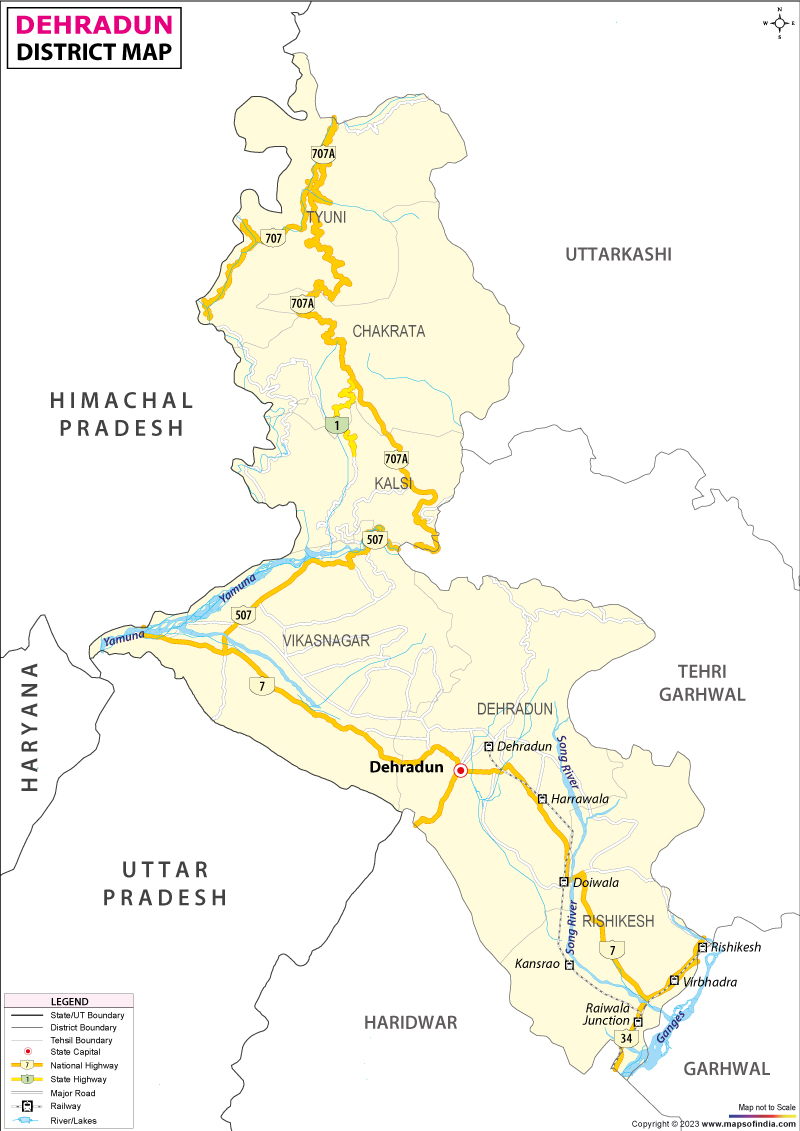
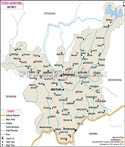
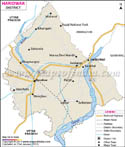
Dehradun is located in the Doon valley. Between the Ganga on one side and the Yamuna on the other, it rests like a seam stitching together river-fed traditions. Because of these waters, soil thrives here - thick with vegetation, mild in temperature, inviting through centuries. Hilly stretches give way to winding rivers, then rise again into wooded inclines where farming thrives between groves. River-fed silt feeds the earth, one reason fields yield rice, wheat, sugarcane - litchi too, a noted harvest near the district. Beneath tree canopies thick with sal, teak, and pine, past uses echo in timbers once drawn for trade and craft. Life stirs under leaf cover: deer move quietly, leopards linger, while wings flicker among branches in constant motion.
Dehradun’s weather patterns emerge directly from where it sits on the map. Located near lower mountain slopes, temperatures stay milder here than in either the intense heat of flatlands or the freezing peaks above. Warm months bring steady warmth - never extreme - while cold seasons arrive with foggy mornings and sometimes light snow seen just up the road in places such as Mussoorie. When the rainy season hits, water flows freely through valleys, reviving dried channels and turning hillsides vivid under heavy foliage. Over time, this balanced mix of conditions drew visitors seeking comfort: first aristocrats during Mughal times, then colonial officials, today ordinary travelers along with local inhabitants.
| Facts of Dehradun District | |
|---|---|
| Official Name | Dehradun |
| Population | 1696694 |
| Area (km2) | 3088 |
| Language | Garhwali |
FAQs
Q1: Which are the most common languages spoken in the region?
Most people here speak more than one language. Although Hindi fills streets and homes, schools and offices lean heavily on English. In villages, Garhwali holds its ground without effort. Where Sikh families live, Punjabi pulses through conversation. Spoken among refugees and migrants, Tibetan and Nepali add further texture. Each tongue marks a different thread in the valley’s makeup.
Q2: How do local customs shape life here?
Wrapped in mountain rhythms, Dehradun hums with Garhwali dance and melody alongside Punjabi energy, Tibetan ceremonies, even echoes of colonial times. Though Diwali glows brightly here, so do Holi, Eid, Baisakhi, and the well-known Jhanda Mela - each met with steady fervor. Meanwhile, plates shift from kafuli, a village favorite, toward steaming momos or breads shaped by old British habits.
Q3: What is the historical significance of Dehradun?
Beginning in legend, linked to the figure of Dronacharya, the city's story moves into recorded time with Ashoka’s inscription near Kalsi. Under Mauryan rule, it gained early historical notice. Power shifted through centuries - Mughal influence arrived, followed by a distinct presence shaped by Guru Ram Rai’s Sikh community. From the hills came Gorkha forces who claimed control before colonial times unfolded under British administration. Traces remain visible across neighborhoods and monuments. Layer upon layer, Dehradun holds quiet evidence of rulers, faiths, and transformations long passed.
Last Updated on : September 02, 2026
