






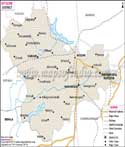
About
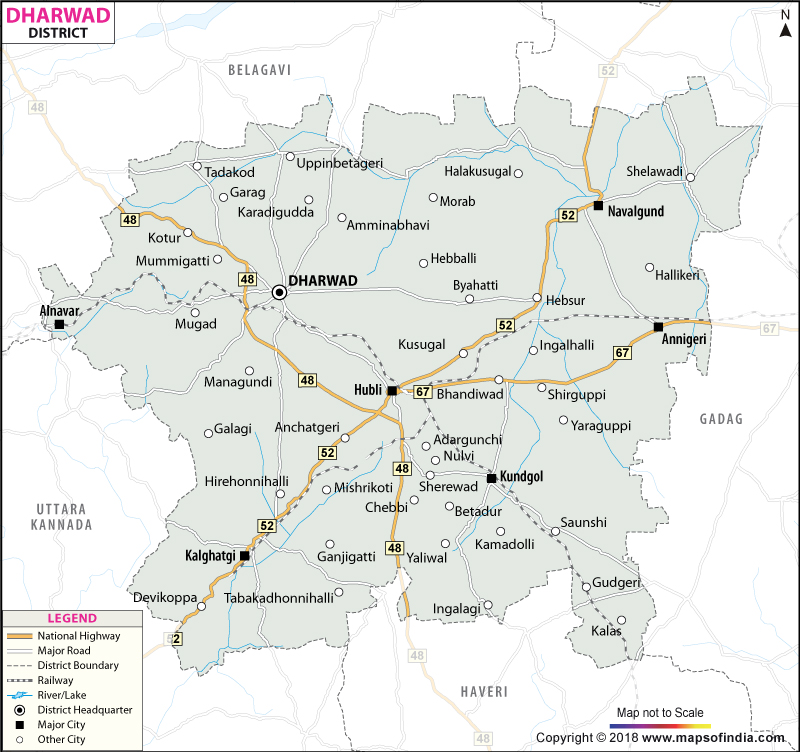
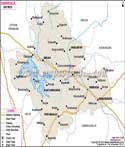
Dharwad is a rich area of culture and geographical variation in the northwestern part of Karnataka. The district lies at the fringe of the Deccan plateau and the forested hilly region of the Western Ghats called Malnad and the huge agricultural region of Deccan called Maidan. The district is part of the twin city conurbation with neighbouring district Hubballi (Hubli) situated 20 km away from the district. It is the second largest urban centre in Karnataka after Bengaluru, along with Hubli. The town of Dharwad is popularly known as the ‘Cultural Capital of Karnataka’ and ‘Vidya Kashi’ (Seat of Knowledge) of the northern plains of the state. The district boasts a unique heritage in the fields of classical Indian music and literature, recognised worldwide. Furthermore, it is a formidable institution with some of the world's reputed academic institutes such as the Indian Institute of Technology (IIT), the Indian Institute of Information Technology (IIIM) and the historic Karnataka University, resulting in a high intellectual culture and vibrant life of the community.
History & Culture
Located in the Northwestern part of Karnataka, Dharwad district is a true artistic and geographical crossover between Malnad (Western Ghats) and the vast Deccan Plains (Bayaluseeme). Being in a strategic position, the region was ruled by various significant South Indian ruling families, who in their turn imparted indelible marks to its architectural and heritage styles. The Badami Chalukyas, Rashtrakuta, as well as Western Chalukyas had encouraged its growth and the period has produced structural remains of the forthright structures, of incredible stone carvings like in the Chandramouleshwara Temple, Unkal, built during the 11th century. The region was then ruled by the Chalukys, followed by Vijayanagaras, Adil Shahis of Bijapur, Mughals, and then Marathas before British annexation in 1818, where this area became an important administrative and educational center. A rich blend of rulers made Dharwad the literary and intellectual hub of Karnataka, known globally for monumental literary contributions to the world of literature, education and music.
The unique cultural mosaic and multi-layered spiritual identity are embodied in its cuisine. This has inspired countless local dishes and feasts of great beauty and flavor. The dishes they specialize in include local dishes which have wholesome and authentic rustic flavors such as Jolada Rotti (sorghum flatbread or chapati), Yenne Gai (spicy stuffed brinjals), small and green variety of chutneys for mixing with seeds and fresh buttermilk. But the district's big name dessert is its world-famous sweet, which is a thickened version of rich, caramelized milk, dusted with fine sugar, Pedha, which was invented more than a century ago and has earned recognition as a Geographical Indication (GI) by the Government of India.
Spiritually, Dharwad is a unique fusion of faiths as the devotion to the social reformer of the 12th century, Basaveshwara and the Veerashaiva and Lingayat community is combined with the strong presence of Sufi mysticism, inspiring people of different faiths to unite around their shared sacred places of worship. This exuberant fusion of history, art and harmony has been preserved by the district and is being celebrated today every year during the majestic Dharwad Utsav, thus keeping alive the indelible legacy of composite culture, art and literature of this historic land.
Therefore, the city of Dharwad is a cultural treasure of Karnataka and has given birth to a great heritage of Hindustani classical music, having produced great masters and become a UNESCO City of Music. It is also rich in literary legacy, with renowned Kannada writers and scholars who left behind a rich intellectual legacy. The district's culture is a blend of various local festivals, arts and crafts, and traditional dishes such as the popular local Dharwad pedha, which showcases the local identity.
Economy
The Dharwad economy is well diversified and serves as a main commercial and industrial hub in the entire North Karnataka region as a main logistics hub.
Government Sector
There are several state and central government infrastructure facilities in the administrative framework. The headquarters of the Indian Railways South Western Railway (SWR) zone is based in Hubballi. Here the huge locomotive works are located, as well as a large amount of multi-state freight traffic is also there.
Public Sector
The city of Dharwad has extensive industrial belts such as Belur, Tarihal and Rayapur which are developed by Karnataka Industrial Areas Development Board (KIADB).
Major operations include state-sponsored manufacturing plants, large-scale processing plants and agricultural warehouse networks, which are a part of public and joint sectors. It also has central training and production centres for textiles, exploiting the areas' large cotton belts.
Services & Industrial Sector
The twin-city ecosystem has enabled Dharwad to become a significant manufacturing and high-value service centre:
Automotive & Engineering Heavyweights: The district has very large manufacturing plants of Tata Motors, Hitachi Construction Machinery and Marcopolo, which create vast employment base with a large number of small and medium engineering ancillary units.
Information Technology & Startups: The establishment of the Hubli-Dharwad IT Park: The Hubli-Dharwad IT Park along with huge private incubation centres such as the Deshpande Foundation's Sandbox, have turned the district into a hotspot for social entrepreneurship and tech startups.
Agribusiness and Trade: It is one of the largest APMC (Agricultural Produce Market Committee) markets in Asia and is the main trading centre for cotton and Byadgi (red chillies) and pulses grown in the northern plains of the State.
Tourism
Chandramouleshwara Temple (Unkal): A magnificent temple dating back to the period of the peak of the Kalyani Chalukya era and that is 900 years old. This monument is made from fine red sandstone, with stunning symmetrical architecture, very detailed sculptures of gods and four monumental doorways.
Unkal Lake: An icon of a lake peaceful and spread across 200 acres in the twin-cities. The lake is a popular spot for boating, family picnics and sunset viewing with a grand statue of Swami Vivekananda erected right in the middle.
Siddharoodha Math is a very respected spiritual monastery dedicated to Saint Siddharoodha Swamiji who preached brotherhood and self-realization to all. Millions of pilgrims visit the site every year. Many historical figures such as Mahatma Gandhi, Lokmanya Tilak have also visited this place that makes it even more iconic.
Sadhankeri Park: Historic beautifully landscaped park which was the main creative source for the legendary poet, D.R. Bendre. It has musical fountains and special areas for Kannada literature.
Kittur Fort and Museum: It is just about a kilometer away from Dharwad city and it is a historical site with ruins of Rani Chennamma's palace, bastions and an archaeological museum.
Dharwad district is an excellent place where tourists can have a purposeful vacation. One gets to learn a lot about history, enjoy sightseeing, visit places of prayer and fasting, relax with nature and enjoy good food. Those interested in spiritual life will appreciate the Shri Siddharoodha Math, a center of peace and prosperity. Nature tourism is also well developed, there are picturesque views over Nrupatunga Betta, as well as lakes in Unkal and Kelgeri where one can rest and enjoy the scenery. Local cuisine is also significant, so Dharwad is worth a visit.
Demographics
The demographics of Dharwad is a sign of the socially progressive, highly literate and urbanized population of the region, which makes it an attractive place to invest and to grow institutions. Human development indicators are outstanding in the district. According to the official census total population of Dharwad district is 1,847,023 and the gender ratio is 967:1000.
Education is the top asset of the district's demographics. Dharwad has an exceptional average literacy rate of 80.00% compared to the national average. The literacy, when compared across gender, achieves a very good 86.37% for males and an impressive 73.44% for females. The linguistic profile is a unified one which is flexible, Kannada is the dominant regional mother tongue and it is also used as the official language for administrative affairs. The historical trade routes and cosmopolitan institutional setups have also contributed to the spread of Marathi, Urdu, English and Hindi which are widely spoken and understood throughout the district.
Administration
The administration of Dharwad is organized to ensure the best civil governance, revenue management and quick infrastructure planning in its urban and agrarian areas. The District Magistrate (Deputy Commissioner) is responsible for civil affairs under the District Collector who is responsible for administration of land, law enforcement as well as central development programs.
The local urban administration is unique, the twin cities are being administered by a single body called Hubballi-Dharwad Municipal Corporation (HDMC) which coordinates integrated civic amenities, waste management and smart transit in both the cities. The district administration has an extensive system of 381 revenue villages spread across 144 Gram Panchayats (village councils) on the rural side of the administration. These local councils can directly implement rural employment programs, promote micro-irrigation systems and defend land holdings of the agricultural sector.
| Official Name | Dharwad |
| Location | Karnataka |
| Area | 4265 sq. km |
| Population | 18,47,023 |
| Language | Kannada |
FAQs
Q1: What is the location of Dharwad District?
It is located in Karnataka and is one of the twin cities of Hubli and Dharwad. , the latter being the Academic and Cultural hub and the former being a commercial town of the district.
Q2: How many Talukas are there in Dharwad District?
5 talukas: Dharwad, Hubli, Kalghatgi, Navalgund and Kundgol.
Q3: How old is the Chandramouleshwara Temple?
It dates back to the period of the Kalyani Chalukya era and is 900 years old.
Q4: What is the number of villages in Dharwad District?
The district has 347 villages.
Q5: Why is the Dharwad District famous?
The district is famous for educational institutions like the Karnataka University and IIT Dharwad, Hindustani classical music and the famous sweet Dharwad peda.
Q6: Which manufacturing plants are located in this district?
Tata Motors, Hitachi Construction Machinery and Marcopolo.
Q7: What is the population of the district?
18,47,043 is the population of the district.
Q8: Name the famous food items from the district?
Jolada Rotti, Yenne Gai, small and green variety of chutneys for mixing with seeds. Pedha is also a famous dish made from caramelized milk that is popular here.
Last Updated on : July 31, 2026
