

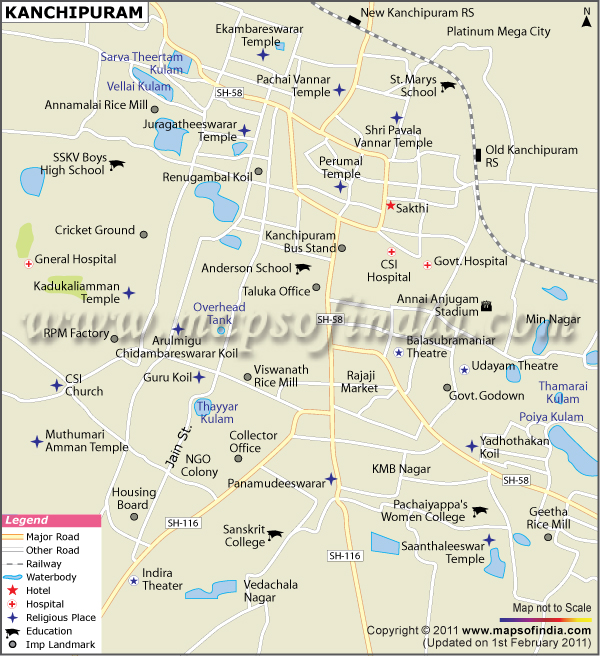





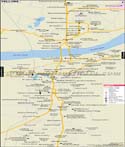
About
Kanchipuram which is very old and highly respected city in Tamil Nadu. As the “City of Thousand Temples” it is known for its ancient temples, rich cultural past and world famous silk sarees. At a distance of 75 km from Chennai the city has been a key center of religion, education and culture for the past many years which in turn has attracted pilgrims, scholars and visitors from all over the country.
The city is a unique part of the history of South India. Also for many years it has been known as a center of Hindu learning and spirituality. From all over the country people travel to Kanchipuram to see the old temples which are its major attractions and to experience the traditional lifestyle of its people.
Kanchipuram also is home to a thriving silk weaving industry. The beautiful Kanchipuram silk sarees which are admired all over India and the world for their quality, craftsmanship and elegant designs. In the city thousands of families are into the weaving trade which also makes it a very important element of the local economy.
Present day Kanchipuram is a blend of past grandeur and present day development. In this time we see growth in educational institutions, health care facilities, business and tourism which at the same time is preserving what makes the city unique.
History & Culture
Kanchipuram’s legacy goes back over a thousand years. It was the capital of the Pallava dynasty which ruled large parts of South India between the 6th and 9th centuries. Under their reign many grand temples and stone monuments were built which still stand today and which reflect the city’s rich past and artistic heritage.
The city fell into the hands of Cholas, Vijayanagara rulers and other South Indian kingdoms at a later date. During each of these rules new temples, traditions and cultural elements which in turn formed the city’s identity were introduced.
Kanchipuram for long has been a major center of religion and study. For centuries scholars, saints and spiritual leaders have visited the city. It is one of the seven holy cities in Hinduism and still is a very popular pilgrimage destination all year round.
In Kanchipuram culture is a reflection of traditional Tamil ways of life. Classical music, temple festivals and religious ceremonies play a large role in day to day living. Also we see the major festivals like Pongal, Deepavali, Navaratri and Tamil New Year which are celebrated with great enthusiasm.
Temple architecture is a mainstay of the city’s culture. In many temples you will find fine carvings, large gateways and in depth stonework which display the skills of ancient artisans.
Kanchipuram is a land which also has a great reputation for silk craft. Over the years this art has been passed from one generation to the next. Traditional Tamil food is a favourite in this city. We have local dishes like rice based meals, idli, dosa, sambar and also a variety of sweets prepared for festivals and special occasions.
Economy
Kanchipuram’s economy is based in textiles, tourism, trade, education and services. The city has earned a strong reputation through its silk industry which also sees the growth of commercial and service sectors.
The silk saree industry is a very large component of our local economy. In the thousands are weavers and traders which’ livelihood is from the production and sale of Kanchipuram silk sarees. These sarees are sold all over India and also are the choice for weddings and special celebrations.
Tourism is a large component of economic activity. People that come for the temples and history support hotels, restaurants, transport and local businesses.
Over the years we see that educational institutions, health care facilities and retail trade have grown which in turn has created more job opportunities for residents.
Government Sector
The government is the employer in areas of administration, schools, colleges, hospitals and public service departments. Also it runs health, education, public works and welfare programs in the city.
Investment in roads, water supply, sanitation and urban development has seen city infrastructure improve and growth.
Public Sector
Public sector organizations which support the city’s economy through banking, transport and utility services. Public sector banks which also include the silk weavers’ and general business’ portfolio play a key role.
Transport which connects Kanchipuram to Chennai and other large cities in Tamil Nadu. Also public utilities like power and water supply which play a key role in the support of home, business and industry.
Public sector organizations also play a role in the implementation of social welfare and development programs.
Services Sector
In Kanchipuram services sector has seen steady growth. In education, health care, tourism, hospitality, banking and retail trade we see large scale employment.
Schools, colleges and training centers see students from nearby districts. Health care facilities attend to the needs of residents and visitors.
Tourism is a growing sector for us which we attribute to the city’s religious and historical sites. Hotels, restaurants, travel agents and local guides report to do a thriving business. In the city retail markets and commercial establishments also play a role.
Tourism
In Kanchipuram tourism is a very large sector. The city draws in pilgrims, history enthusiasts and travelers which in turn comes for the cultural heritage.
In Kanchipuram the Ekambareswarar Temple is a major tourist attraction. This Shiva dedicated temple is known for its grand complex, impressive architecture and past importance.
The Varadharaja Perumal Temple is a primary place of worship for devotees of Lord Vishnu. Also it is a very popular destination which is a result of its great architecture and spiritual value.
Kailasanathar Temple which is one of the very old in the city and is very much admired for its Pallava era architecture and stone work.
Visitors also love to go shopping for Kanchipuram silk sarees. In local markets and weaving centers you get to watch traditional craftsmanship at work and also buy into original products.
Demographics
In recent years Kanchipuram has seen a very diverse population which includes people from many different communities and backgrounds. The city is home to long standing families as well as to those that have recently moved in for study, business and job.
Tamil is the primary language in Kanchipuram. In terms of education, business and administration English is very much in use.
The city’s literacy rate is at a high level which is a feature of many other regions. We have seen great input from schools, colleges and other educational institutions into the field of education.
The population is made up of weavers, traders, teachers, tourists, government employees and also from various business backgrounds. This diversity of occupations supports a balanced local economy.
Kanchipuram is a city which still very much practices its traditions at the same time as it adopts modern ways.
Many families for years have been into silk weaving which has in turn made the craft a part of daily life. At the same time in other fields we see students and professionals that are joining into technologies like infotech, education, health care and retail which in turn is bringing into the city a youth and innovation.
The city is known for its atmosphere, close knit communities, and very rich heritage. Each year the town hosts annual temple festivals, local farmers’ markets, and other cultural events which come together to keep alive the traditions and history of Kanchipuram.
Administration
Kanchipuram is run by local government bodies which provide civic services and do urban development. Also being the headquarters of Kanchipuram district the city is an important admin center for the outlying area.
Local government bodies are in charge of road maintenance, sanitation, water supply, waste management and public infrastructure. Also it is up to them to present the city as a clean, ordered, and convenient place for residents and visitors.
Government at all levels is involved in health care, public welfare, education, land administration and law enforcement. They serve urban and rural communities.
Local authorities are into improving infrastructure which at the same time they use to protect Kanchipuram’s historical monuments, ancient temples and cultural heritage which in turn allows the city to grow preserving its traditional character.
The administration is also putting into play plans which include better public transport, parks, street lighting and digital public services which in turn will improve the quality of daily life. Also we have planned for large scale development projects which will support both the residents and the large number of pilgrims and tourists which visit the city yearly.
Local authorities work with community organizations and heritage conservation groups in the conservation of Kanchipuram’s unique character. Also we see that there is a lot of repair work done to the temples, improvement in public infrastructure and organization of cultural events which in turn preserves Kanchipuram’s position as a primary historical and religious site in Tamil Nadu.
| Facts of Kanchipuram District | |
|---|---|
| Official Name | Kanchipuram |
| Location | Tamil Nadu |
| Area | 36.14 sq. km |
| Population | 234,353 |
| Language | Tamil, English |
FAQs
Q1: In which language do people mostly speak in Kanchipuram?
Tamil is the primary and which goes into the majority in Kanchipuram. Also English is a part of the school and business structure as well as tourist info which facilitates communication for visitors.
Q2: What does Kanchipuram’s economy revolve around?
The economy of the city is based on silk weaving, tourism, trade, education and also many service sectors. The silk saree industry which also includes home weaving continues to be the main source of employment for large local families.
Q3: What is the importance of Kanchipuram in Tamil Nadu?
Kanchipuram is out of the past in terms of its religious significance, historic monuments and also the silk trade. For years it has been a seat of knowledge, of the spiritual and of craft which today it still is Tamil’s most honored heritage spot.
Last Updated on : July 16, 2026
| Find Distance from Kanchipuram City Map to other Indian Cities | |||
