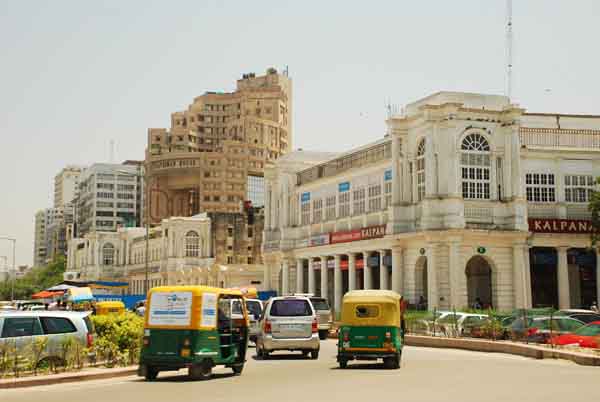
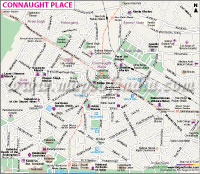
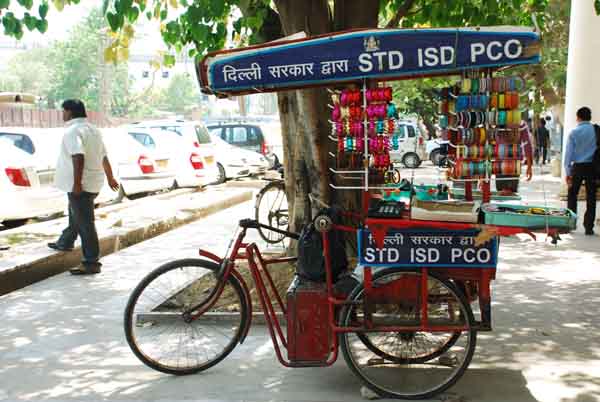
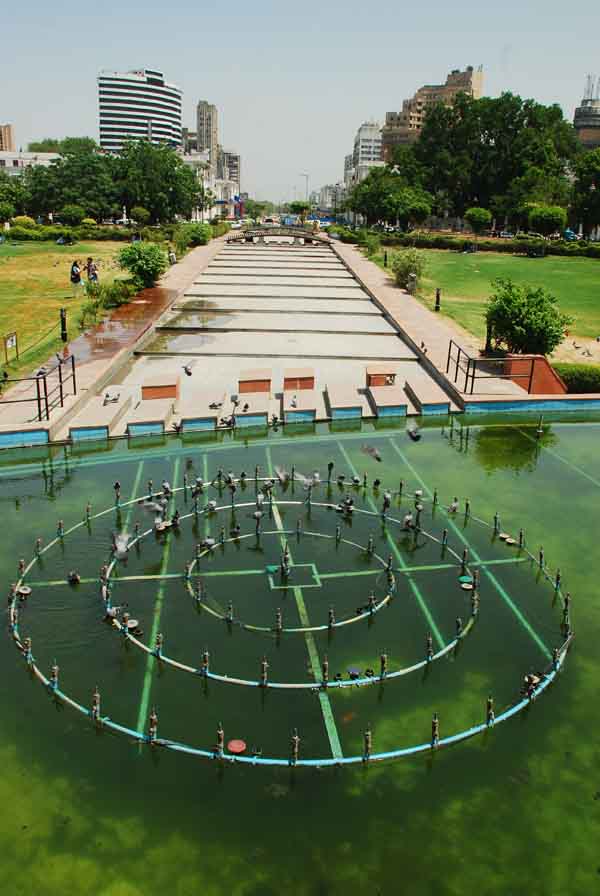
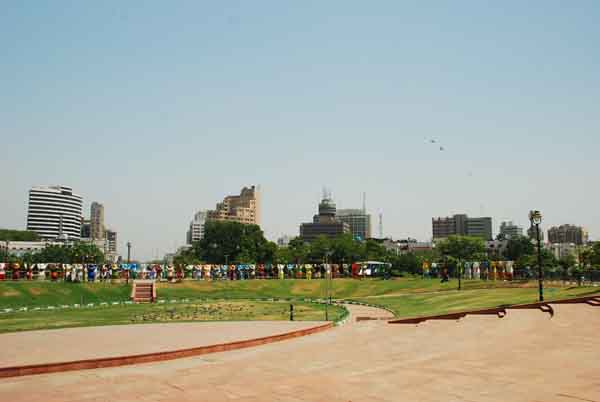
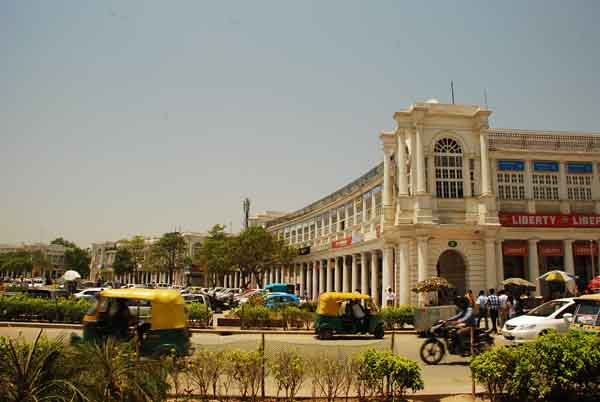
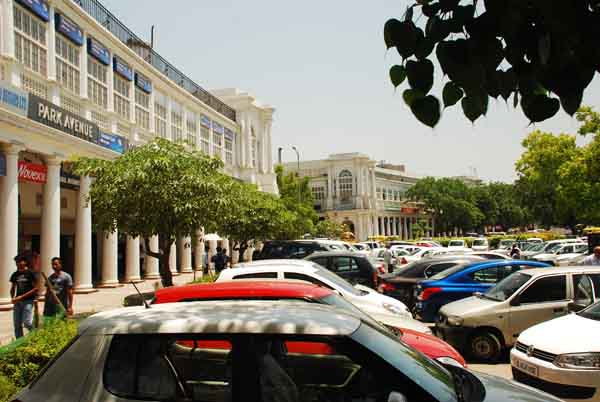
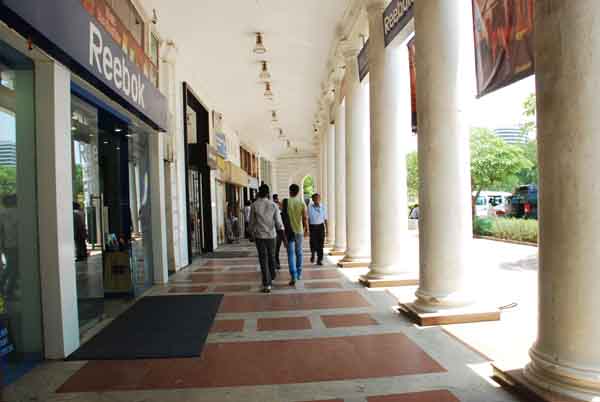
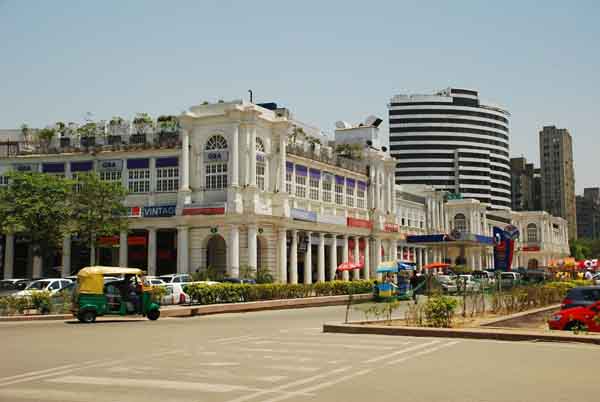
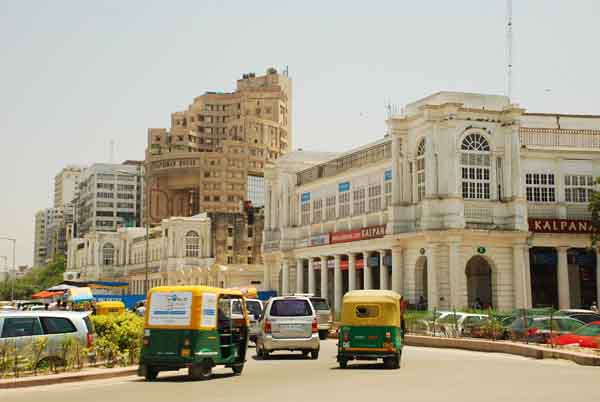
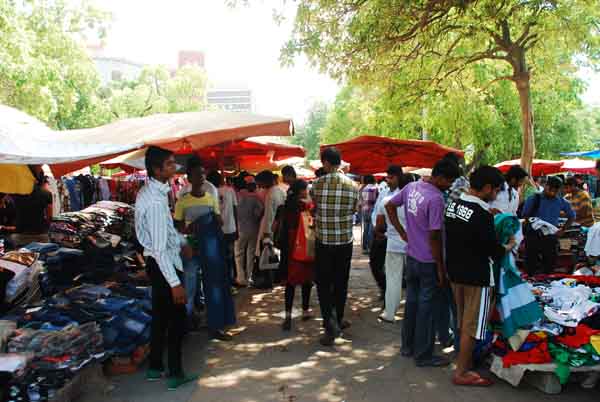
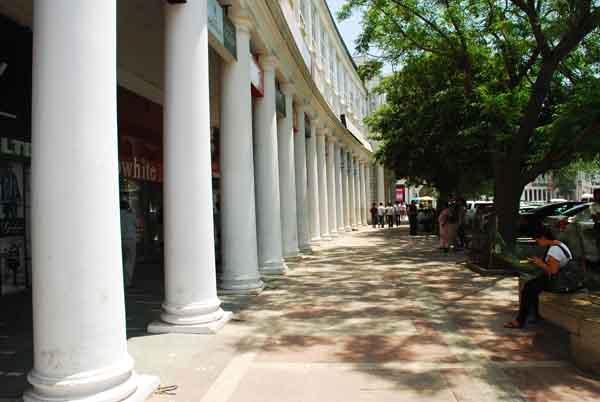
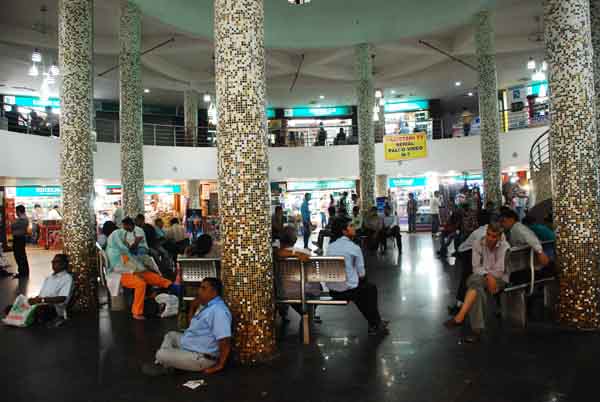
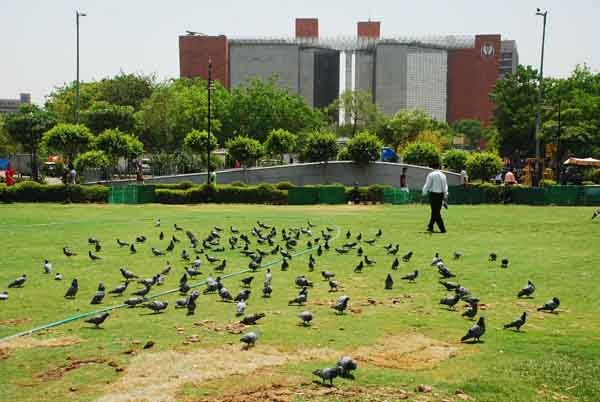
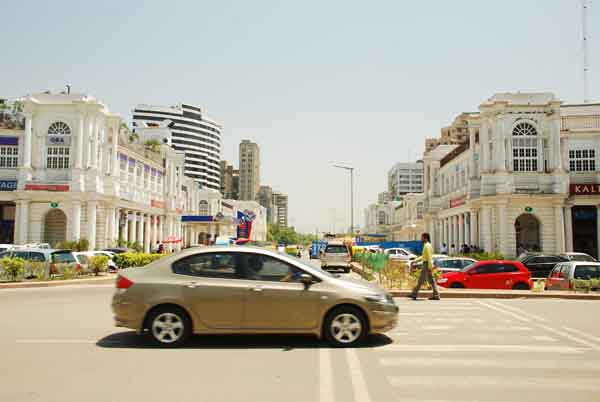
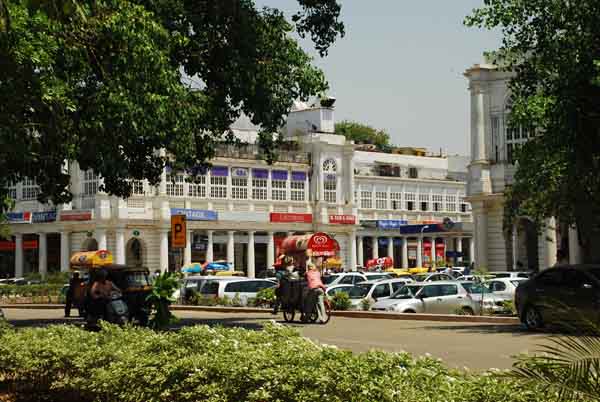
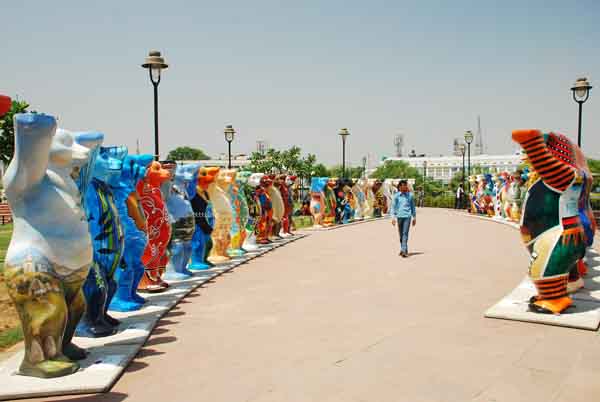
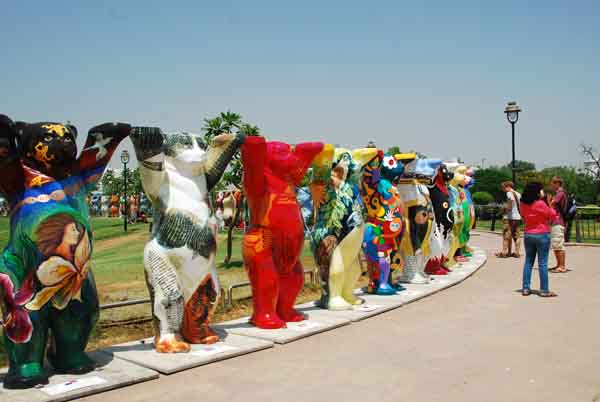
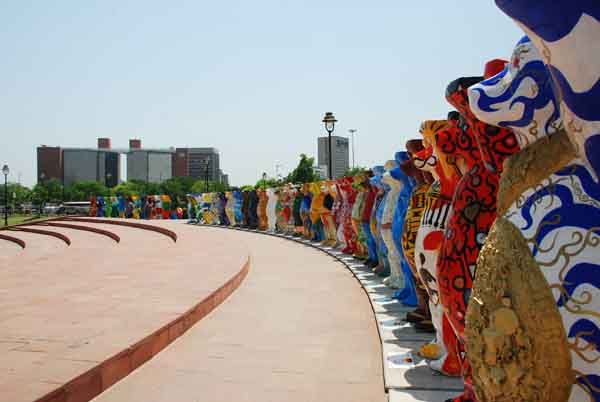
The construction of the city began in 1929 and finished in 1933. The place derived its name from the Duke of Connaught. It was designed as a centerpiece of Lutyen's Delhi, a place in Delhi which has been named after Edwin Lutyens, a famous architect from Great Britain. The name of the place was changed to Rajiv Chowk in memoriam of late Shri Rajiv Gandhi, former prime minister of the country. In December 2006, the place observed its 75th anniversary. Before the construction of the place, it was a long narrow strip of land which was enshrouded with Kikar plants. The people of Civil Lines and Kashmere Gate regions came to the area for hunting partridges. Other than these people, people from Old Delhi also came to the area to see the very old Hanuman Mandir. People of rural areas such as Jaisingh Pura, Madhoganj, and Raja ka Bazaar were shifted for the construction of Connaught Place and the adjoining places. They were given places to live in Karol Bagh, which is situated to the west of Connuaght Place. Blueprints were drafted to construct a central commercial district in the area. These were conceptualized by W.H. Nicholls, who served as the main architect for the Indian Government. Nichols made a design of the central square according to the orthodox pattern and design belonging to the Renaissance period in Europe. Nevertheless, Nicholls departed the country in 1917. As a result, Herbert Baker and Edwin Lutyens were involved in constructing big structures in Delhi. Robert Tor Russell, the main architect of the PWD department of the Indian Government took over as the creator of Connaught Place. The historic Connaught Place has been named after the 1st Duke of Connaught, Prince Arthur, the third son of Queen Victoria and uncle of King George VI. Connaught Place VideoGeorgian architecture was followed while constructing the place. The place has been patterned like the Royal Crescent in Bath, United Kingdom. In 1921, King George V came to India and he set the cornerstone of the Parliament House or Sansad Bhavan, which at that time served as the Council House. The planner of the Royal Crescent was John Wood and he constructed it between the period of 1767 and 1774. In spite of the fact that the shape of the Royal Crescent is like a half moon and it features housing premises with three levels, Connaught Place just had two storeys, nearly creates a full circle, and was intended to house business enterprises and apartments on the ground level and living apartments on the first floor. The circle was gradually designed with two circles with the same center, forming inner ring, middle ring, and outer ring. In addition, seven radial thoroughfares were planned to border a ring-shaped central park. The central park is embellished by Gulmohur trees, flowery railings, a big fountain, and the lamp post, which has been set up of late. How does contemporary Connaught Place look like? At present, Connaught Place is one of the liveliest places in the national capital. However, the place faces particular issues associated with infringements, uneven development, debates on property ownership, illegal construction, traffic jams and so on. There are headquarters of important airlines, banks, and other places of travelers' interest in Connaught Place. It is a melting pot of many communities and cultures. Palika Bazaar (Municipal Market), the oldest underground market in India, lies in this place. The outer circle is formally named Indira Chowk (Connaught Circus) and is home to chains of cafes, hotels, and shops. The middle circle is home to small restaurants and office premises. Connaught Place is one of the largest commercial and business centres in Delhi. It is easily known as CP. Connaught Place is a circular shopping centre surrounded by tall office buildings. The remarkably built shops with tall circular pillars still stand strong and give a touch of classiness. The landmark hasn't changed too much since its construction 1933 but it has become a lot more spacious after the renovation process undertaken before the Commonwealth games in 2010. The shopping area surrounds a park called the Central Park. It is now a place where cultural events are held from time to time. Most recently, Central Park is the exhibition site for 'United Buddy Bears'. It is to be exhibited in 25 places and 5 continents to promote World's peace. The central Park sits on top of Rajiv Chowk Metro station. After India's Independence, Connaught Place was renamed as Rajiv Chowk after India's Prime Minister Rajiv Gandhi. But Connaught Place is still more popular and commonly used. Construction work began in 1929 and was completed in 1933. Residents of the Villages were evacuated to Karol Bagh to construct this. Named after Prince Arthur, the 1st Duke of Connaught the design for the building was laid by Robert Tor Russell. It was built in Georgian Architecture inspired by Royal Crescent in Bath, England. Though the shops have changed hands, the buildings have remained the same. Some Cinema theaters which came up in the 40's like Plaza and Rivoli still survives to this day. Some of the best book stores and Studios have served Delhiites for generations. There something so nice about walking along the spacious pavilions aligned with pillars. During Diwali seasons the place is perfectly lit and it's amazing to just take a stroll. Connaught place has more big brands but at the same time there are so many roadside shops. I particularly like the book sellers; they perked up the Place. Connaught Place is also popular for the underground market called Palika Bazaar. It is a hub for cheaper products. You can get almost everything from DSLR cameras to laptop at a much cheaper price. The range of goods available here is extravagant. Connaught Place is like the heart of Delhi. It is a place where roads begin and shoot out in different directions like arteries. It is one of the most happening places in Delhi. Jantar Mantar and Janpath are just a stone's throw distance from here. Over the years it has become a great tourist destination. Everyday in CP is like a celebration.

|
- Metro Walk Amusement Park
- India Gate
- Red Fort
- Jama Masjid
- National Museum
- Adventure island
- Parliament Museum
- Bangla Sahib in Delhi
- Jantar Mantar
- Agrasen Ki Baoli
- Qutub Minar
- Lotus Temple
- Akshardham Temple
- Jhandewalan Mandir
- Rajghat
- Old Fort
- Lodhi Garden
- Humayun's Tomb
- Safdarjang's Tomb
- Delhi Haat
- Laxmi Narayan Temple
- Iskcon Temple
- Tughlaqabad Fort
- National Agricultural Science Museum
- Rashtrapati Bhawan
- National Museum
- Akshardham Temple in Delhi
- Delhi Zoo (Chidiya Ghar)
- The Iconic Dolls Museum in Delhi
- The Garden of Five Senses
- National Rail Museum, New Delhi
Tourist Destinations Near Delhi
Route Maps