






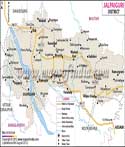
About
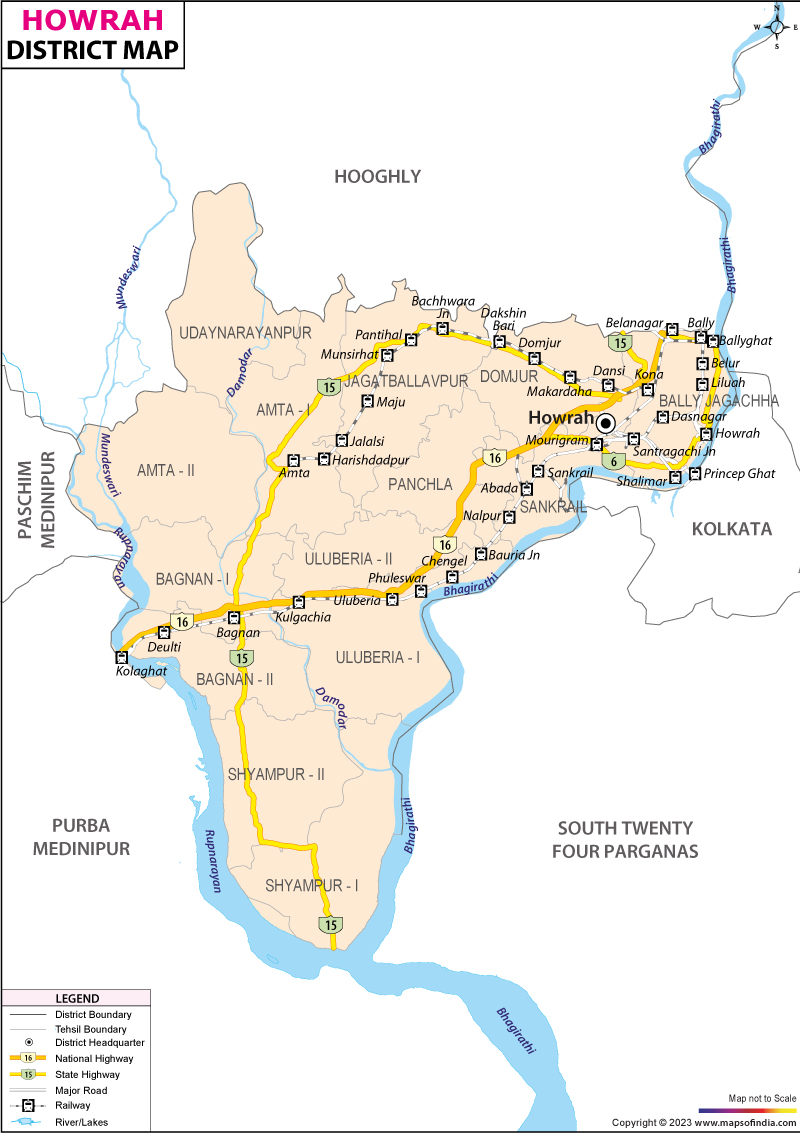
Haora is also known to be Howrah which is very well known of West Bengal. It is right across the Hooghly River from Kolkata, that geographical fact has played a great role in its growth. Haora city is the district headquarter and is home to some of the busiest urban areas in eastern India. The district is home to Howrah Bridge, Howrah Station, former industrial areas, engineering works, markets and also to places like Belur Math and the Indian Botanic Garden.
The Hooghly River is a large component of Haora’s identity. Over the years the river was a major factor in transport and movement to and from Haora and Kolkata. The near proximity of and trade between Haora and its neighbor to the south, encouraged the growth of industry and trade and development in port activities and real estate.
History & Culture
The Haora area has a history which goes back over five hundred years. Also it is home to what was the ancient Bengal kingdom of Bhurshut which the district administration still has connections to. In the past we see that present day Haora’s elements were referred to in which the area is included. For example in the 16th century Venetian traveller Cesare Federici wrote up Bator which is also mentioned in Bengali literature.
Haora’s importance grew with the expansion of European and British trade along the Hooghly River. In the early 18th century the British East India Company tried to gain control over many villages which lay on either side of the river. We see in the British records at that time Salkia, Howrah, Kasundia, Ramkrishnapur and Bator. These places later became part of the growing Haora urban area.
The river was a key element in the growth of Haora. As Kolkata developed into a preeminent colonial city, Haora served as an important center for trade, industry and worker housing. We saw the development of industries and workshops in all parts of the district which also included areas around the river and rail lines.
The railway saw great transformation. Howrah Station became a very important railway station in East India and it connected Kolkata with many parts of the country. Also this saw more people move into Haora and we saw growth in local trade.
Culture in Haora is mostly that of Bengal, but the district’s large urban population has brought in people from all over India. We see that Durga Puja, Kali Puja and Saraswati Puja are very widespread. Also other communities have their own festivals which they celebrate which in turn gives the towns a great deal of vibrancy.
In Haora, Belur Math has a special place within the cultural and also the religious community. Out of the works of Swami Vivekananda which gave it birth, today it also stands as a headquarter for the Ramakrishna Math and Ramakrishna Mission. Also known for its beautiful environment and architectural beauty which in turn draws visitors throughout the year.
Economy
The growth of Haora’s economy is due to its location, transport network, industries and proximity to Kolkata. In Haora we see a wide range of sectors which include manufacturing, engineering, small industries, trade, transport, construction, retail, education and health which together employ the people of the district.
Haora is a different case from many rural districts in West Bengal. In the north it is very urban and very much a part of the Kolkata story, but in the areas around Amta, Bagnan, Shyampur and Udaynarayanpur you will see more of a village and agricultural based economy.
Haora’s industrial past is still relevant today which also see a transformation of the local business scene over the years. In many areas of the district we find present day small and medium scale factories, engineering units, workshops and trading businesses.
Government Sector
In Haora’s economy the government sector plays a key role which is a result of the large population and a major urban center we have in the district. In Haora government offices are involved in revenue, land records, education, health care, welfare programs, elections, public works and other services.
In Haora city is the home to district offices which also include the District Magistrate’s and other related departments’ offices. These offices have staff which they use for administration and also serve the needs of urban and rural residents.
In the public sector which includes schools, colleges, hospitals and health centers we see a great deal of employment. In that which also serves public health and education we find teachers, doctors, nurses, clerical workers, technical staff and other employees.
Government programs also see to it that local contractors, construction workers, suppliers and small businesses get a share of the action. We see in road repair, drainage works, public buildings, water supply and other local projects a way for money to flow into the local economy.
Public Sector
Public sector services are a large part of daily life in Haora. Railways may be the best example. Howrah Station is a main entry point to eastern India’s rail network and reports very high passenger numbers daily.
Railways serve the connection between Haora and Kolkata as well as the outlying areas in West Bengal, Odisha, Bihar, Jharkhand, Delhi and many other parts of India. Also the rail network supports local economy which sees thousands of daily passengers including workers, students, traders and travellers.
Public health facilities in Haora serve great masses. Government hospitals and health centers provide care at a lower price which in turn is very important for families that can’t afford private health care.
Transport is a very large component of Haora’s public infrastructure. We see roads, rail services and bridges which connect the district to Kolkata and the rest of West Bengal. The Howrah Bridge and Vidyasagar Setu are very important for the movement between Haora and Kolkata.
Services Sector
In Haora the service sector has grown to become a primary job provider. The district which has a large population and is adjacent to Kolkata has seen growth in shops, restaurants, hotels, hospitals, schools, coaching centers, banks, transport services and other business.
Howrah city is a hub for business and commerce which sees large footfall of people daily. Retail stores in this city offer a wide range of products which include clothing, food, electronics, home goods, construction materials and more.
Education is also a very important component of the services sector. In our district we have schools, colleges, training centers and other types of educational institutions. From Haora and nearby districts students travel to the larger towns for education.
Tourism is the backbone for restaurants, hotels, taxis, shops and small businesses. At Belur Math and the Indian Botanic Garden and other points of interest we see a high footfall.
In Uluberia we see another example of local skills supporting employment which has developed a range of musical instruments. These skills have been passed down through the generations.
Tourism
In Haora the service sector has grown to become a primary job provider. The district which has a large population and is adjacent to Kolkata has seen growth in shops, restaurants, hotels, hospitals, schools, coaching centers, banks, transport services and other business.
Howrah city is a hub for business and commerce which sees large footfall of people daily. Retail stores in this city offer a wide range of products which include clothing, food, electronics, home goods, construction materials and more.
Education is also a very important component of the services sector. In our district we have schools, colleges, training centers and other types of educational institutions. From Haora and nearby districts students travel to the larger towns for education.
Tourism is the backbone for restaurants, hotels, taxis, shops and small businesses. At Belur Math and the Indian Botanic Garden and other points of interest we see a high footfall.
In Uluberia we see another example of local skills supporting employment which has developed a range of musical instruments. These skills have been passed down through the generations.
Demographics
According to the 2011 Census of India Haora district reported a population of about 4.85 million. Presently the district administration reports a population of 4,850,029.
Haora is very high in terms of urbanization as compared to many districts of West Bengal. In the north which includes the Haora city area we see large populations and very close ties with Kolkata.
The district reports a literacy rate of 83.31% as per the district administration. In this district education is a key element which sees to it that we have schools and colleges which serve the large urban and rural population.
Bengali is a very common language in Haora. Also you will hear Hindi, Urdu, English and other Indian languages as people from all over the country have settled in the district for many years.
In the population we see a range of workers in factories, offices, shops, transport, government agencies, schools, hospitals, construction and other sectors. Also in the rural areas families are into farming, small scale trade and local work.
Administration
Haora district is run by the District Magistrate and Collector. The district administration is in charge of public services, revenue matters, development projects, law and order issues, elections and welfare programs.
In that which the district administration reported Haora has 2 subdivisions and 14 community development blocks. The two subdivisions are Sadar and Uluberia.
Here are the 14 blocks which are Bally-Jagacha, Domjur, Panchla, Sankrail, Jagatballavpur, Uluberia-I, Uluberia-II, Amta-I, Amta-II, Bagnan-I, Bagnan-II, Shyampur-I, Shyampur-II and Udaynarayanpur.
Howrah Municipal Corporation has charge of the major urban areas. The corporation which came into picture as Howrah Municipality in 1862 got municipal corporation status in 1984. In 2015 Bally Municipality became a part of the corporation.
The district also includes the Uluberia Municipality which runs local civic services in the town. Local bodies manage roads, sanitation, drainage, waste collection, street lighting and other local services.
Police administration in the district is split between Howrah City Police and Howrah Rural Police. This structure which in turn helps the authorities with law and order in the very populated city as well as the rural areas.
| Official Name | Howrah District |
| Location | West Bengal |
| Area | 1467 sq. km |
| Population | 4,850,029 |
| Religion | Hinduism, Islam, Christianity, and other faiths |
| Language | Bengali, Hindi, English |
FAQs
Q.1: Where is Haora district located?
Haora is in West Bengal which is face to face across the Hooghly River from Kolkata. Its location puts it into the thick of road, rail and river traffic which extends to Kolkata and other parts of eastern India.
Q.2: What is Haora famous for?
Haora is a home to the Howrah Bridge, Howrah Station, Belur Math, the Indian Botanic Garden and also has a large scale industrial past. Also known for its engineering outputs, markets and traditional musical instrument craft.
Q.3: What is the literacy rate in Haora?
The district report states that Haora’s literacy rate is 83.31%. In our district we have schools, colleges and other educational institutions which also play a role.
Q.4: What is the primary employment in Haora?
In Haora people are into manufacturing, trade, transport, government offices, education, health care, construction, retail and other services. Also farming is important in many rural blocks.
Q.5: How is Haora connected to Kolkata?
Haora has good communication by road and rail with Kolkata. At Howrah Station and over the main bridges which cross the Hooghly River daily travel between the two cities is very common.
Q.6: Which language is primarily used in Haora?
In Haora Bengali is the primary language. Also present are Hindi, Urdu, English and many other languages which the diverse population speaks.
Q.7: Why is Howrah Bridge famous?
Howara Bridge is known for connecting what was formerly Haora with Kolkata over the Hooghly River. It has also become a very recognizable feature of West Bengal.
