






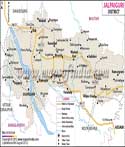
About
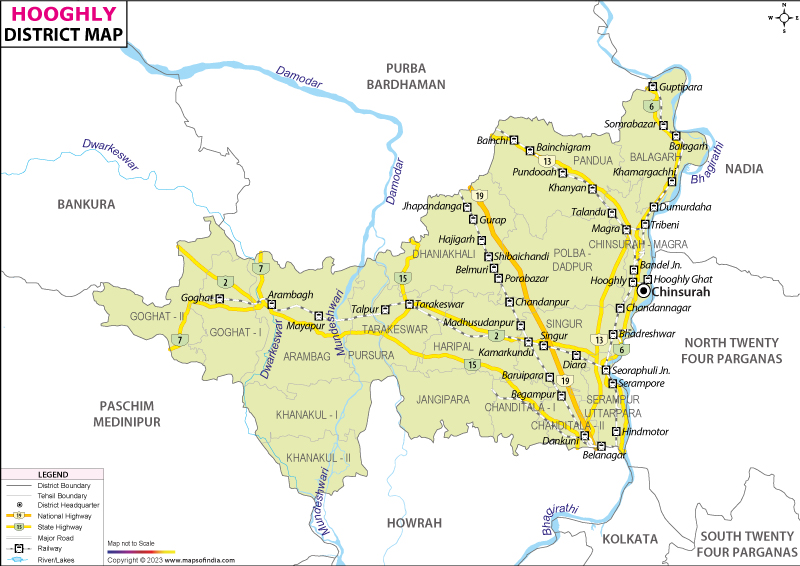
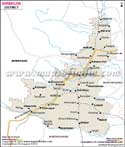
Hugli, which also is spelled Hooghly, is a district in West Bengal that is very much known. Along the Hooghly River this district which has a past of as long as 300 years in trade, agriculture, industry and education. Chinsurah is the headquarter of the district which also includes Chandannagar, Serampore, Arambagh and Tarakeswar.
In the history of Bengal, Hugli held a unique place as many European powers established themselves here for trade. Portuguese, Dutch, French, Danish and British traders all had presence in different parts of the district. Their old structures, churches, cemeteries and other sites are still to be seen in places like Bandel, Chinsurah and Chandannagar.
The Ganges at Hooghly has been a key element in the development of Hugli. We see towns along the river which grew as trade and transport centers. Today the river still is a mark of identity for the district and is a draw for visitors to places like Chandannagar and Chinsurah.
Hugli is home to a variety of places of worship including temples, churches, mosques as well as old European architecture and also has a great display of Bengali culture. Also in the area are religious festivals, local fairs, handloom products and traditional food which are integrated into day to day life. The district is also very near to Kolkata which in turn provides it great connection to one of the largest cities in eastern India.
History & Culture
The history of Hugli is very old going back many centuries. The district administration reports that the name “Hooghly” may have been derived from the Bengali word Hogla which is a species of high reed which grows by rivers and in low lying areas. The region was a part of ancient Bengal and later came under the rule of many great kings and empires.
During the early Medieval times that area saw rule by different rulers like the Sena kings and also later the Muslim rulers of Bengal. In the North of that area Mughal rule took hold by the end of the 13th century. European traders came much later to the region which they altered via trade and settlement.
The early European powers to which the Portuguese predated by some time were the first to set up large scale presence in the area. In Bandel they established what grew to be a very important settlement and port. Also known as the Basilica of the Holy Rosary and better known today as Bandel Church, the structure is the primary physical legacy of that time. The church’s history goes back to the late 1500’s.
In Chinsurah the Dutch settled in, but at the same time the French made Chandannagar into a very important settlement. In Serampore Danish influence was very strong. It was the British which ended up as the preeminent colonial power in the area. What we see today in terms of architecture, road ways, churches, cemeteries and other leftover structures is that Hugli has a different look to many other West Bengal districts.
In 1795 the British broke up the old Burdwan district for administration which saw the creation of the Hooghly district from that which was out of it. In 1822 Hugli became a separate Collectorate. At Chinsurah the present Collectorate building was constructed from 1827 to 1829.
Culture in Hugli is very much that of Bengal’s. We see this in festivals like Durga Puja, Kali Puja, Saraswati Puja, Janmashtami and which we celebrate district wide. In Chandannagar which has the famous Jagaddhatri Puja we see this very much on display, when the town comes out to play host to large crowds which come in and the streets are lit up.
Hugli also is very important in terms of literature and Bengali social life. In Devanandapur which is the birth place of author Sarat Chandra Chattopadhyay we see some of the main cultural places of the district. Also we have Kamarpukur related to Sri Ramakrishna and the nearby Jairambati which do see large numbers of people interested in religion and Bengali history.
Economy
The economy in Hugli is supported by agriculture, industry, trade, transport, handloom and service sectors. In that we see large tracts of very productive land and a great rural population, also we see that the towns have grown up around factories, markets, rail heads and business centers.
The river and rail networks have played a role in Hugli’s development into a trade and industrial area. Along the Hooghly River we see many industrial centers. In Serampore and the surrounding areas industry is present which includes steel, wires, engineering, chemicals and other products.
Government Sector
In Hugli, the government is a large employer. In that area district and subdivision offices run by the government are involved in land records, revenue, education, health care, agriculture, rural development and public welfare. Also government schools and hospitals which are included in this structure have staff of teachers, doctors, nurses, clerical personnel and other workers.
Chinsurah is the seat of Hugli. In the district headquarters are located many government offices and important public institutions. The District Collector along with other senior officials run administration and development which covers the district.
Agriculture is supported by the government through farming schemes, agricultural offices, training programs and market facilities. Kishan Mandis which are also known as farmer’s markets help farmers in the sale of their produce and in connecting with buyers.
In Hugli which is a rural area government schools and health centers play a key role. They provide primary health and educational services to those who live in outlying areas which are far from the main towns.
Public Sector
Public sector entities are very much a part of Hugli which is a large population base and very much connected to Kolkata and other areas of West Bengal.
Publicly in the government run banks we see that they offer savings accounts, loans and other financial products to farmers, students, workers and business owners. Farmers approach the banks for crop loans and for general financial requirements, also we see that small scale businesses use the banks for working capital.
Railways in the Hugli area are of great importance. In that region we see that Bandel, Chinsurah, Serampore and Chandannagar have train services which go to Kolkata and the balance of West Bengal. At Bandel Junction which is a very large rail depot, also many train routes meet.
Electricity, water supply, public health care and other government run services which support homes and businesses. These services are what keep the district’s towns and villages running on a daily basis.
Services Sector
In Hugli the services sector has grown out of health care, education, retail, banking, transport, hotels and tourism.
Chinsurah, Chandannagar, Serampore and Arambagh have a large number of shops, markets, schools, colleges, hospitals, restaurants and small businesses in them. In these businesses employment is provided to shopkeepers, sales professionals, teachers, medical personnel, drivers and other staff.
Education is a large component of the service sector. In our area students from the neighboring villages and towns go to the bigger cities for schools, colleges, coaching classes and professional courses.
Healthcare is a major job provider. In Hugli and the nearby districts we see that hospitals, clinics, pharmacies, diagnostic centers and medical shops are a part of the health care structure.
The handloom industry also supports the local service economy. Shops which feature Begampur sarees, Jangipara sarees and Rajbalhat products are the point of connection between weavers and customers.
Tourism
Tourism in Hugli is characterized by its past, present in the forms of history, religion, architecture and the Hooghly River. In this area you find places related to Portuguese, Dutch, French, Danish and British history as well as famous Hindu and Muslim religious sites.
Bandel Church is a major historical attraction in Hugli. At the time of the Portuguese settlement in the area they built the Basilica of the Holy Rosary. The site includes a church, a monastery, old tombs and a large ship’s mast which they put in front of the church.
Chandannagar is known for its French past. The town was under French rule for a very long time and still has many traces of that time. The Chandannagar Strand, Sacred Heart Church and Chandannagar Museum are popular places to go.
Tarakeswar is a very popular religious site in Hugli. At the Taraknath Temple which was built in 1729 worship of Lord Shiva is the focus. Large crowds of devotees come in for the Shravan, Maha Shivratri and other religious events.
Bansberia is also a very popular heritage site where we have the Hanseswari Temple. What makes it stand out is its atypical design and terracotta work which is a far cry from many other West Bengal temples. Also in the area is the Ananta Basudeba Temple which is known for its terracotta decoration.
Kamarpukur is known for Sri Ramakrishna and is a place of religious interest. In Devanandapur we find author Sarat Chandra Chattopadhyay’s connection. Together they contribute to cultural tourism in Hugli.
Demographics
According to the 2011 Census of India, Hugli district had a population of 5.5 million. Which had 2.8 million males and 2.7 million females. Also it was seen that sex ratio in the district was 961 females for every 1,000 males.
In the 2011 Census we saw a literacy rate of 81.8% in the district. Male literacy reported at that time at 87.03% and female at 76.36%. In Hugli education plays a large role in social life, especially in the towns and larger village centers.
Bengali is the primary language in Hugli. In the fields of education, government and business English is also used. Within the district people from many communities live which in turn gives the area a diverse social character.
In 2011 Hugli reported 1,842 inhabited villages. Also that year the district included 13 statutory towns and 64 census towns.
Administration
Hugli district is administered out of Chinsurah which is also the district headquarters. The District Collector and the District Magistrate head the district administration which they run into revenue, development work, public services, elections, disaster management and other government matters.
According to present district administration report Hugli has 4 subdivisions and 18 community development blocks. The four subdivisions are Sadar, Chandannagar, Srirampore and Arambagh. Also the district has 207 Gram Panchayats which perform many village level functions.
Hugli has 1 municipal corporation and 12 municipalities. In the case of Chandernagore Municipal Corporation which is the only one in the district. Urban local bodies which run roads, sanitation, drainage, waste collection, street lighting and other civic services.
The district reports over 1,800 which are inhabited by people, thus village level administration is a large component of government work. Gram Panchayats and Panchayat Samitis deal with local roads, drinking water, sanitation, rural housing, welfare schemes and also other community issues.
Hugli has 18 Assembly and 3 Parliamentary constituencies as reported by the district administration.
| Official Name | hugli District |
| Capital / District Headquarters | Chinsurah |
| Area | 3149 sq. km |
| Population | 5,519,145 |
| Religion | Hinduism, Islam, Christianity, and other faiths |
| Language | Bengali, Hindi, English |
FAQs
Q.1: Why is Chandannagar famous?
Chandannagar is known for its French past, riverfront and old structures which include the Jagaddhatri Puja. At one time it was a French settlement which left behind many of its marks.
Q.2: Why is Bandel Church famous?
Bandel Church is a very old Christian church in West Bengal. It is associated with the Portuguese settlement in the area and is an important historical and religious site.
Q.3: Which river flows through Hugli?
In the district which is what we know of as the main area of the Hooghly River’s influence. Also along its banks grew many settlements which in large part we think of today as a result of the river’s role in transport and trade.
Q.4: How is Hugli connected to Kolkata?
Hugli is very well connected to Kolkata by rail and road. Also we see that many towns in the area have suburban train services which in turn see daily travel between Hugli and Kolkata by way of commute for workers, students and business people.
Q.5: What is the list of main cities and towns in Hugli?
Chinsura, Chandannagar, Serampore, Arambagh, Bandel and Tarakeswar are some of the very much known towns and urban centers in Hugli.
Q.6: Which river flows through Hugli?
In the district the Hooghly River is best known. Along its banks grew many settlements which in part we owe to the river’s role in transport and trade.
