






About
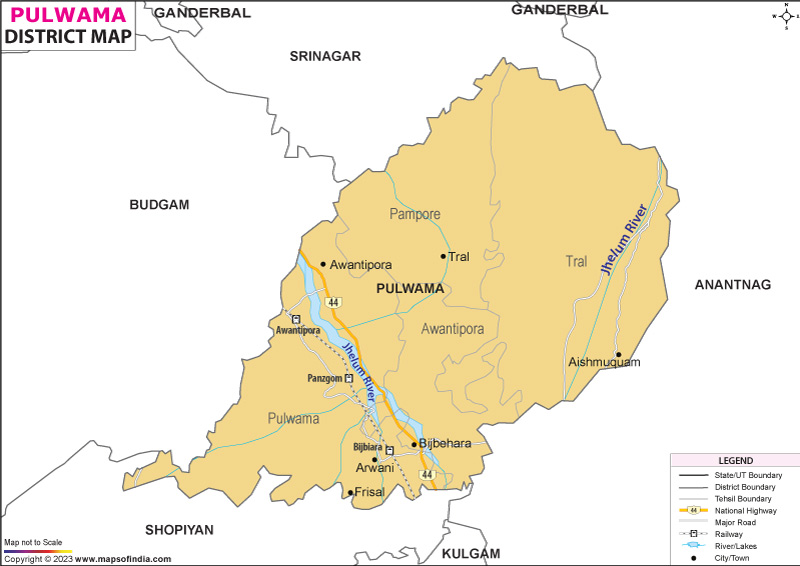
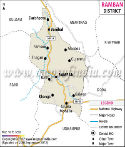
Pulwama wears many names - some call it the Anand of Kashmir, others know it as India's Saffron Bowl. Joy lives here, thick in the air like pollen after harvest. Apple trees spill down hillsides, heavy with fruit each autumn. Geography places it near the center, yet it feels more like the valley’s quiet heartbeat. Life grows easily where earth gives so much. Perched among towering mountains, this region covers about 1,086 square kilometers. Southward lies Srinagar, some 25 kilometers away - the former summer capital. Flowing quietly through it all, the Jhelum River shapes much of its terrain. Sitting centrally in the valley, Pulwama finds itself surrounded by neighboring districts on multiple sides. Beside it lies Srinagar, up north. Westward stretches Budgam, sharing its border. To the south lies Shopian. Kulgam sits farther along that edge. Among rolling hills, Pulwama holds pockets of flat, rich soil lifted high on ancient riverbeds known locally as Karewas. Rising above these are thick pine-covered slopes where alpine land begins gently. Mild warmth lingers through summer months thanks to elevated ground shaping airflow patterns. Winter arrives slowly, bringing steady snow rather than sharp freezes. Cooled air settling over open fields helps crops grow without harsh extremes nearby regions face. Nature here stays balanced - neither too wet nor too dry across seasons.
History & Culture
Deep in time, Pulwama began not as a town but many small settlements grouped together. Once called Panwangam by locals, the name shifted slowly through years like sand slipping under water. Rulers changed often here - each leaving traces without shouting about it. Temples rose quietly beside fields where farmers worked long before records were kept. Spiritual life bloomed not in grand announcements but daily gestures woven into routine. Stone structures appeared gradually, shaped by hands that valued precision more than praise. Over centuries, speech softened the name further: Panwangam became Pulgam, then finally Pulwama. What started as whispers across hamlets settled into a single identity, unforced. History did not arrive all at once - it pooled. Back then, around the 800s AD, things really shifted when King Avantivarman took charge - starting what became known as the Utpala line. His seat of power? A place he built called Avantipur, now buried somewhere near today's Avantipora. That spot soon hummed with life, buzzing as one key hub where politics and culture tangled across old India. Art found a friend in him; so did faith. Temples sprang up - one for Vishnu, another honoring Shiva - each standing like quiet giants shaped by vision and stone. After the Hindu kingdoms faded, Islamic presence grew during medieval times, brought by wandering Sufi teachers followed by rulers from the Shah Mir line, then the Mughal emperors, later Afghan leaders too. Their touch stayed - seen in how places look, how people speak, even daily life’s rhythm. Spring wakes up the fields, then people begin preparing for what grows next.
Economy
Government Sector
When things get shaky, government jobs often hold steady. Roads, schools, and services keep moving because public work continues. Not every sector does that. Many well-educated locals find work inside government offices, courts, or police units. Some take roles in administrative branches; others serve where laws are applied. Jobs open up regularly within city planning, tax divisions, even public records. People move into positions handling permits, managing budgets, supporting court operations. Not everyone stays long; some shift toward teaching or the private sector later. Still, these jobs remain a steady path for graduates seeking stability. Offices hire at different levels, offering entry points after college.
Public Sector
Fundamental services in Pulwama rely heavily on government-run systems. While factories operate, power flows mainly through state-backed networks. Because infrastructure shapes growth, public institutions hold a central role. Where industry expands, energy access follows official frameworks. Though private efforts exist, backbone support comes from above. Out here, the Lassipora site thrives as a major hub where business meets government effort. Hundreds of acres unfold into modern setups built for keeping produce fresh through advanced cooling tech. Instead of sitting idle, space fills up fast with factories turning raw food into shelf-ready items.
Services Sector
More people can now read, live in cities, grow online - so services keep growing fast. What once moved slow now shifts quicker than before. A single change pulls others along behind it. Farmers get help buying supplies because banks - both government-run and privately owned - have offices spread across the countryside. These local branches offer loans tailored for farming needs while building a strong financial backbone in remote areas where money services are often hard to find. Out here in Pulwama, milk flows like morning light - thousands of liters every single day. Private initiative pairs with local collectives to keep production steady. A web of cooling vans, bottling units, and delivery routes hums behind it all. Known across Kashmir as the heart of milk output, this place runs on quiet effort more than fanfare.
Tourism
Among gentle hills and whispering trees, Pulwama holds old secrets beneath its soil. Far from busy trails where crowds gather, it rests in calm attention. Forests stretch wide here, home to creatures that move without sound. Ancient echoes linger near streams and stone edges. Where others rush through noise, this place chooses stillness instead. Stone ruins near Avantipora rise quietly beside the highway, built long ago in the ninth century. Once part of a powerful kingdom, they now whisper stories through broken walls and weathered steps. Not far from each other sit two ancient shrines - Avantiswami and Avantishvara - each shaped by distant artistic echoes from Greece blended into local tradition. Columns line open courts where prayers once echoed under carved gods watching from stone. Visitors drawn to old things find themselves pausing here, touched by time's slow hand. Hidden among mountain folds, Tarsar and Marsar Lakes draw those who chase rugged paths. Not just any lakes, they glow in shifting shades of blue - soft at dawn, sharp by noon - as sunlight tilts across their almond frames. Reaching them means walking narrow trails where few go, stepping into quiet broken only by wind. Camp here, and nights unfold under stars untouched by city glare. Though remote, the journey shapes what most remember long after. Once roamed by Dogra royalty chasing game, its open meadows now breathe quiet. Deer move through mist when morning climbs the slopes. This stretch shelters the rare Hangul, a stag clinging to survival. Where guns fell silent, life slowly returns. Forest depth and stream bends shape a refuge few knew would rise.
Demographics
What stands out in Pulwama is how village life blends with city growth, shaping a culture where learning matters more each year. Change moves quietly through neighborhoods, driven by local effort rather than grand plans. Education becomes the thread tying generations together, slowly shifting daily routines. Progress shows up not in slogans but in classrooms full of students. Community strength grows from small actions repeated over time, unseen yet steady. Pulwama district holds 560,440 people, census records confirm. Though small in area, it packs many homes because the land grows food well. Life settles easily where soil stays rich, and water flows nearby. Crowded spots rise naturally on such flat, green stretches. Most people in Pulwama can read and write - about 64 out of every hundred. Boys’ schools do well, hitting nearly 74 percent success. Girls are catching up slowly, now close to 52 percent. Money flowing into classrooms, universities, and training centers is shaping young minds. Skills grow where books and tools meet effort. Languages Spoken:Most people there grow up speaking Koshur at home. It shapes how they talk every day.Used widely in schools, courts, and government offices, Urdu holds the status of an official language. Most young people who study get it easily. Workers in travel jobs usually speak it too. Office staff often know it well. Factories with global ties rely on it daily. Pahari comes alive in villages tucked high near the edge of the land, where cold winds move through stone homes. Gojri flows among herders who follow ancient trails across steep slopes, speaking a tongue shaped by movement and sky.
Administration
Out here, Pulwama splits into chunks - not just lines on a map - each shaped to keep things running without long waits or wasted supplies. Where people live makes a difference; towns get what they need, so do villages. Running it all? Layers of setup that respond when asked. Efficiency shows up quietly - in timing, in reach. Services move because systems behind them do too. Out here, 331 villages form a lively countryside web. Grouped into several development blocks, these communities link through shared efforts. Close coordination happens between village councils and the top district official.
| Official Name | Pulwama |
| Location | Jammu- Kashmir |
| Area | 1090 sq. km |
| Population | 560,440(2011 census) |
| Language | Pahari, Hindi |
FAQs
Q1: How many villages are located in Pulwama district altogether?
Beyond the hills, Pulwama holds 331 villages tucked inside eight separate tehsils. Population numbers come straight from government records. These counts happen every ten years. They include everyone living there when the count takes place. Official tallies don’t guess or estimate - each person gets counted once. The total changes only after new data arrives.
Q2: What is the Population of Pulwama?
Pulwama district holds a total count of 560,440 people, as confirmed by recent full-scale census records.
Q3: What is the district of Pulwama most famous for?
Besides earning global recognition as India's Saffron Bowl through Pampore’s prized harvests, Pulwama wears another title - it goes by the name Milk Capital of Kashmir among locals. Apple groves thrive here too, their branches heavy with fruit grown on rich soil. Long ago, stone temples rose at Avantipur, now standing in quiet ruin. From forests nearby come slender wooden strips, shipped off to become pencil cores found everywhere. Each piece fits into a larger picture shaped by land and tradition.
Last Updated on : July 17, 2026
