






About
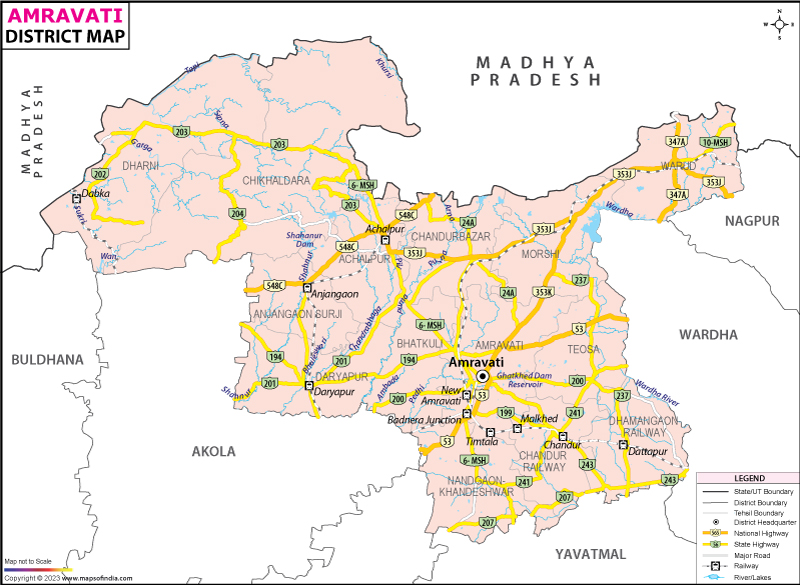
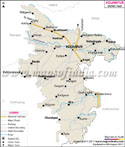
Amravati which is a very important district in Maharashtra and also a key center in the Vidarbha area. In the north eastern part of the state it is located and is known for its agricultural produce, educational institutions, religious spots and also for growth in commercial activities. Amravati has a past full of history and also is a player of importance in the social and economic growth of Maharashtra.
The district headquarters is in Amravati city which is also the main center for administration, education, trade and public services. Through the years the district has seen steady growth which has been together with the preservation of its cultural traditions and historical identity. Also via good road and rail connections Amravati is tied in with other major cities in Maharashtra and neighboring states.
Agriculture is a very large component of our district’s economy. We see a variety of crops grown out which include cotton, soybean, wheat, pulses and also many other types. Farming supports the lives of many families and also plays a large role in generating local income and jobs.
Amravati also has a great educational standing. In that district there are many schools, colleges and universities which in turn attract students from all over Maharashtra. Also it is the education which has helped raise literacy rates and which in turn has brought forth opportunities for the youth.
The district is a blend of past and present, of which is history, culture, agriculture and modern development. Also home to religious sites, wildlife parks and historic monuments Amravati is a stand out for tourists. Today Amravati is growing but also does so in a way that it is able to preserve what makes it special.
History & Culture
Amravati has a rich past which is a reflection of various dynasties and kingdoms. Historical records tell us that over the years the area was ruled by many empires which in turn added to its social and cultural growth.
The district’s importance is a result of its setting in the Vidarbha region. We see ancient trade routes which passed through the area’s connecting it with adjacent regions thus stimulating settlement and economic activity. At different points in time local rulers supported agriculture, trade and public works which in turn helped the district’s growth.
During the Maratha period Amravati saw growth and also got tied into important political and economic issues. Later under British rule we saw development of transport and public services which in turn fueled more growth.
Amravati’s culture is a reflection of that of Maharashtra. Marathi is the primary language which is spoken here although Hindi and English also are very much in use. Also it is known for very friendly communities and strong cultural values.
In both rural and urban areas traditional folk music, dance and local art forms are still very much a part of the culture. At village fairs and in cultural events these traditions are preserved which also serve as a stage for local artists.
Amravati’s cuisine is a true representation of what Maharashtrian food is all about. We see the popularity of traditional dishes, snacks and sweets which both residents and tourists enjoy. In local markets you will find the same regional foods which have been favourites for many generations.
The district’s past which is so full of events and present which is very much alive continues to define its identity and we see that people are drawn which are interested in the heritage of the Vidarbha region.
Economy
In Amravati economy agriculture, trade, education, manufacturing and services play a key role. Recently the district has seen steady growth which has been supported by infrastructure development and increasing commercial activity.
Agriculture is a very large sector of the economy. In cotton production we see great importance, which this district plays in for Maharashtra’s main cotton growth. Also we see large scale production of soybean, wheat, pulses and vegetables.
Industrial and services sectors have grown over the time which in turn has created job opportunities and supported economic growth.
Government Sector
In Amravati government is the largest employer which also includes government offices, schools, colleges, health centers and administrative units that play a key role in the local economy.
State and federal government departments run out important services which include education, health care, agriculture, law enforcement and welfare programs. These services which benefit residents in both urban and rural areas.
Government put into roads, irrigation systems, water supply projects and public infrastructure which in turn improves living conditions and sees great economic growth. Public institutions also put out stable employment.
In Amravati we see to it that administrative offices are established which in turn present the district in a very important light.
Public Sector
The public sector is a key player in economic activity. Public sector banks, transport services and utility companies which in turn serve the needs of residents, businesses and farmers.
Banking institutions give out loans, run savings programs and provide financial services which support agriculture and business. Access to this finance improves local entrepreneurship and farming communities.
Public transport systems enhance the connection of towns, villages and cities. Also we see that utility services like electricity and water supply which in turn support home and industrial use.
Public sector organizations also take part in development projects and community welfare initiatives which in turn bring about the district’s progress.
Services Sector
The economy of Amravati has seen the rise of the services sector. We see in the education, healthcare, retail, hospitality and financial services sectors the growth which is creating jobs and supporting local businesses.
Educational institutions in the state of Maharashtra see a large scale of student enrollment from across different regions. From schools to universities, they play a role in the growth of the knowledge and skills of the young population and also in the economy.
Healthcare services are growing in the presence of hospitals, clinics and specialized medical centers. These facilities serve residents from Amravati and nearby districts.
Retail stores, shopping malls and commercial spaces support local trade and put forth job opportunities. Also hotels, restaurants and tourism based businesses play a role in the economy. Financial services, professional companies and small enterprises which in turn see to it that economic growth is achieved in the district.
Tourism
Tourism in Amravati is a key area which sees a large number of visitors into the district which in turn includes people interested in natural beauty, religious places and historical sites. Also the district presents a mix of attractions which in turn cater to many types of travellers.
Chikhaldara in the Satpura range is a very popular tourist destination in Amravati district. Known for its mild climate, greenery and beautiful views which are a treat to the eye, it has visitors all round the year. Also the fact that it is the only hill station in the Vidarbha area, makes it a favourite escape for nature enthusiasts.
Another great draw is the Melghat Tiger Reserve which has very dense forests, a great variety of wild life and a large array of natural settings. Here visitors come to enjoy the beauty of nature and to see animals like tiger, leopard, deer and also a great variety of birds in their natural habitat.
The Ambadevi Temple is a very respected place of worship in Amravati. Which is dedicated to Goddess Ambadevi this temple sees thousands of devotees each year come in to pray and take part in religious festivities.
The Shri Ekvira Devi Temple is also a very important place of worship. Along with many other religious sites it is a pilgrim destination which extends to different parts of Maharashtra. These temples also hold great spiritual value and they play a large role in the cultural and religious life of the area.
Gavilgad Fort which is by Chikhaldara is a testament to the past. It is a great place to see history and architecture which in turn attracts visitors.
Local areas, cultural events and traditional festivals play a role in tourism in that district. Tourism is for hotels, restaurants, transport companies and local businesses which in turn provide employment for the region.
Demographics
According to the 2011 Census Amravati district reported a population of about 2.89 million. Also it has seen growth in population due to urban growth and economic development.
The district is a mix of urban and rural communities. Amravati is the primary urban center, out of which many residents live in villages and smaller towns.
The literacy levels have greatly improved over the years which is a result of the growth of the school and college structure as well as other educational institutions. Education still plays a large role in social and economic progress.
Marathi which is the official and also the most widely used language in the district. Hindi and English also play a large role in education, administration and business.
The district is a home to many different groups from social, cultural and religious backgrounds. Out of this diversity comes a very rich cultural environment which in turn supports strong community traditions. Urbanization has fueled growth of residential areas, commercial centers and public infrastructure which in turn has shaped the district’s demographic profile.
Administration
Amravati district is headed by the District Collector and also includes various government departments which are into governance and development.
For effective administration the district is broken into many tehsils. Also these divisions which serve to run public services, maintain land records and which in turn support development activities are seen in each part of the district.
The local government runs the services in urban areas. They handle road maintenance, sanitation, water supply, waste management, and public infrastructure.
Local governments in towns and villages are the ones which put development programs into action and also provide services to residents. Also these entities play a key role in community development.
The government is still at work on issues of infrastructure development, environmental conservation and public welfare which are key to future growth and improved living standards.
| Official Name | Amravati |
| Location | Maharashtra |
| Area | 12,626 sq. km |
| Population | 2,888,445 |
| Language | Marathi, Hindi, English |
FAQs
Q1: Why is Amravati famous?
Amravati is a district which is known for its agriculture, religious and natural places. In which it does stand out are Chikhaldara Hill Station, Melghat Tiger Reserve and Ambadevi Temple.
Q2: What crops do we have in Amravati?
Cotton is very much a main crop in Amravati. Also it is seen that farmers grow soybean, wheat, pulses and a variety of vegetables in many parts of the district.
Q3: Which industries mainly operate in Amravati?
Agriculture, cotton processing, trade, education, health care and service related businesses are outputs which contribute greatly to the district’s economy. Also these sectors are employed by large numbers of our population.
Last Updated on : August 21, 2026
