






About
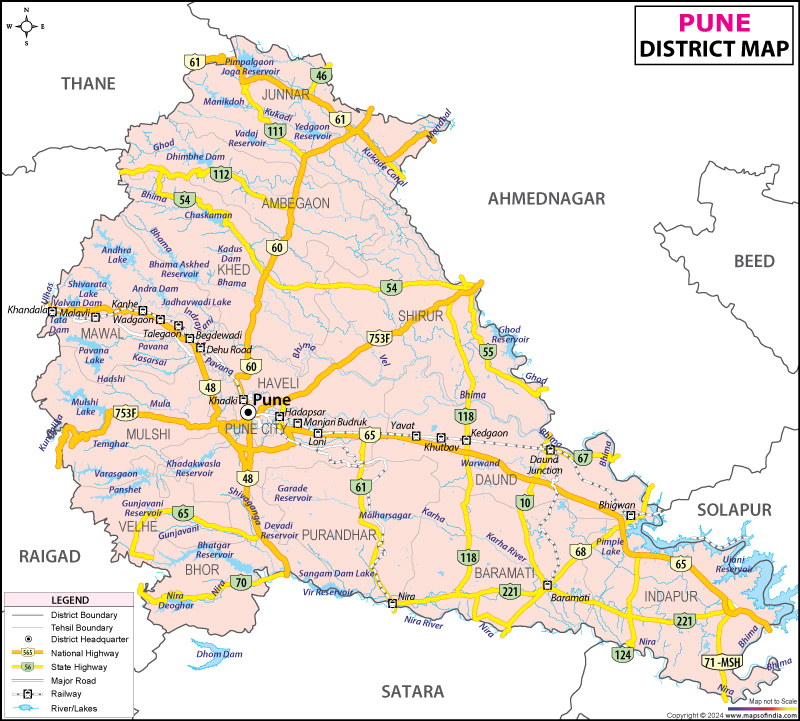
Pune is in the Western region of Maharashtra is a very important district which is well known for its education, history, industries and also for its growing economy. In the Deccan Plateau which is the home to this district, we see a large scale development of a business, technology and learning center. Also, throughout the greater part of the year the climate here is very pleasant.
Pune which is known to be the cultural capital of Maharashtra does so because of its in depth connection with Marathi traditions, literature, music and art. The district draws in students, professionals and tourists from all over the Indian country. What it brings forth in terms of history and present day development makes it the most known district in the country.
In that district which contains a mix of urban and rural areas. In which the city of Pune is the primary center for administration and trade, out in the peripheries we see growth in agriculture, manufacturing and tourism. Also with good access to roads, rail and air the district has been able to sustain a steady growth over the years.
Education is a key component of Pune. In the district you will find many universities, colleges and research institutions. Each year thousands of students come here to go to school. This has in turn created a dynamic environment and a skilled work force.
Pune is also a key industrial and technology center. Auto manufacturing, engineering, IT and service sectors are the main contributors to the local economy. Presently that is in terms of economic output the leader of the pack in Maharashtra and also the one which is very much in the international and national investment zone.
History & Culture
Pune has a past which is full of pride and spans over many centuries. The district at one point played a key role in the growth of the Maratha Empire. Also it is home to Chhatrapati Shivaji Maharaj which is a very strong connection; we see in the early days of the King’s life that he was very much a part of this region.
During the 17th century Pune rose to become a preeminent political center. Later the city was to house the Peshwas which were in fact the chief ministers of the Maratha Empire. Under their rule the district saw great growth in administration, trade and culture.
In Pune’s past we see present day structures which tell of the great past. Old forts, temples, palaces and traditional neighborhoods still play home to the region's heritage. These landmarks which we visit today bring to us the story of Maharashtra and the Maratha Empire.
During British time Pune grew to become an important educational and military center. We saw the establishment of many schools, colleges and public institutions at that time. Also the district played a key role in the freedom movement. Out of which many social reformers, political leaders and freedom fighters came from Pune and put in great effort for national progress.
Pune’s culture is very much that of Marathis. We see traditional music, theatre, literature and folk arts as an integral part of day to day life. All through the year cultural programs, book fairs and music festivals are held.
Economy
Pune has a very strong economy in Maharashtra. In that district a wide range of industries exist which include information technology, manufacturing, education, health care, finance, tourism and retail trade. Also because of its strategic location and skilled work force it has become a preeminent economic center.
Industrial parks, business centers and commercial hubs which see to the employment of large scale populations. Also we see that which has brought about economic growth has in turn improved upon the infrastructure, housing and public services in the district.
Government Sector
In Pune the government is a large employer. Also it runs various departments which include administration, education, healthcare, law enforcement and public welfare programs.
Governments at large in all the district’s regions do find schools, colleges, hospitals and municipal offices. They in turn provide for the needs of the community and also which is a plus they are sources of stable employment.
The government puts forth a great deal of money into roads, public transport infrastructure, water projects and urban development programs. Also which in turn fuel economic growth and better the quality of life for residents.
In Pune you will find many state and central government offices. These offices play a role in making the district a center of administration in the state of Maharashtra.
Public Sector
The public sector is a key player in our district’s economy. We have public sector banks, transport companies, utility services and communication providers which support business and resident needs.
Banking institutions serve industries, small businesses and individuals. Public transport connects the various district outposts and reports millions of passenger trips every year.
The district has also seen to it that defense and research institutions which in turn have contributed to job creation and economic growth. Also of note is that public sector entities which have played a key role in infrastructure development and social welfare programs in the region.
Services Sector
The economy of Pune is powered in great part by the services sector. IT companies, schools, hospitals, financial institutions and retail stores are the main employers.
Hinjawadi has emerged as a leading technology hub in India. We see here many national and international companies which have set up shop in this area. In the district’s growing IT sector we have thousands of software professionals.
Education is a large component of Pune’s economy. In this city you will find many well regarded universities and colleges which in turn attract students from all over India and other countries. Also present are institutions which support housing, retail and transport.
Healthcare is a large sector. In Pune we see hospitals, clinics and specialized medical centers which are of great use to the residents and also to the visitors. Also many tourists come to the city for healthcare and medical attention.
Retail trade, hospitality, real estate and tourism play large roles in economic growth. Also there are shopping centers, hotels and commercial complexes that are growing which are also creating business opportunities throughout the district.
Tourism
Tourism forms the base of what Pune is known for. The district is home to historical sites, religious places, natural beauty spots and cultural landmarks which see out the year activity from visitors.
Aga Khan Palace is also a major attraction which was a key setting during the freedom struggle and is associated with Mahatma Gandhi. The palace draws history enthusiasts and in general all tourists.
Sinhagad Fort is on a hill near Pune which is also a very popular historical site in the area. The fort presents to the visitors great views of the nearby hills and plains. Also it is very much a part of Maratha history which draws in those that wish to learn of the area’s past.
Dagdusheth Halwai Ganpati Temple is a very popular and visited temple in Maharashtra. Which is devoted to Lord Ganesha this temple sees a large number of devotees each year. Also it's the most busy during the time of Ganesh Chaturthi which is when people from all over the country come out to worship and seek blessings.
The district also has a number of natural attractions. Panshet Dam, Khadakwasla Dam and Mulshi Lake which are great for outdoor activities and scenic views report high visitation. Also during monsoon these places see heaviest footfall.
Museums, cultural centers, gardens and shopping areas are also places for tourists to visit.
Demographics
According to the 2011 Census of India Pune district reported a population of about 9.4 million. Also since that time the population has been on the rise because of urban growth and migration.
The state reports our district has very high literacy rates. Also we see that institutions of education have played a large role in that which they did to improve literacy and skill development.
Marathi is the official language and in large scale is used all over in the city of Pune. Hindi and English also are used in education, business and daily interaction. Out of the Indian states’ population that has settled in the district which in turn has made it very culturally diverse.
Urbanization is a transforming force in the case of Pune. We see new residential areas, housing projects and commercial development which have in turn altered the population distribution in the district.
Administration
Pune district is run by the District Collector and also by various government departments which are into administration and development. The district is broken up into many tehsils in terms of which we have created these administrative units. They in turn are responsible for public services, land records, development projects and local administration.
Government departments run out health, education, agriculture, public works, transport and law enforcement. These services which go into the lives of our citizens in both urban and rural areas. In the city of Pune the Municipal Corporation is in charge of civic services and also which includes the administration of nearby towns and villages by other local bodies. These entities are responsible for maintenance of roads, water supply, sanitation and public facilities.
Administrative bodies also put focus on urban planning, environmental protection and infrastructure development. We see that they also put forth continuous investment which supports the district’s long term growth and development.
| Official Name | Pune |
| Location | Maharashtra |
| Area | 15,643 sq. km |
| Population | 9,429,408 |
| Language | Marathi, Hindi, English |
FAQs
Q1: Why is Pune famous?
Pune which is the home to some of the best educational institutions also has a rich Maratha heritage, IT and cultural legacy. Also known as the cultural capital of Maharashtra.
Q2: Which is why Pune is named the Oxford of the East?
Pune is the Harvard of the East which has a host of universities and colleges as well as research institutions. From all over India and also from other countries students come to us for higher education.
Q3: Which industries are present in Pune?
The district’s economy is fueled by information technology, auto manufacturing, engineering, education, health care and financial services which also see large scale employment.
Q4: Why is Pune important in Maharashtra?
Pune which is a key city in Maharashtra has a strong economy, large educational institutions, historical value and also great industrial growth. It is home to the state’s main business and learning centers.
Last Updated on : August 21, 2026
