






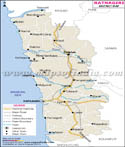
About
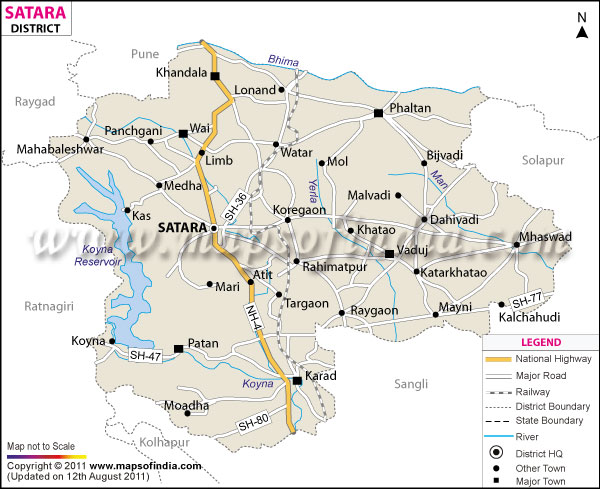
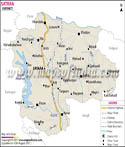
Satara is a very important district in Maharashtra which is known for its history, natural beauty and agriculture. In the west of the state it also has a special place in the history of Maharashtra due to the Maratha Empire’s association with it. Satara is also home to hills, rivers and rich farmland, which in turn makes it the most scenic district in the state.
The district headquarters is in Satara which is also the main center for administration, education, trade and public services. Satara has grown over the years and at the same time has preserved its traditional character and culture. Its position between the large cities of Pune and Kolhapur has contributed to the district’s strong transport and business networks.
Agriculture is a primary source of income in Satara. In different areas of the district we see cultivation of sugarcane, rice, wheat, fruits and vegetables. Also the presence of rivers like the Krishna and Koyna which support farming and provide water for irrigation.
Satara is also a home to great educational institutions, industrial growth and tourism. From nearby areas students come to Satara for higher studies, at the same time visitors come round the year to enjoy its forts, waterfalls, temples and hill stations.
The district is a confluence of history, culture, agriculture and modern development. That mix has made Satara a key district in Maharashtra and a popular tourist and research destination for people interested in the state’s past.
History & Culture
Satara has a rich past which is tied in with the rise of the Maratha Empire. The district became an important center during Maratha rule and later was home to the Satara Chhatrapatis.
Satara’s name is thought to have been derived from the seven forts which at one time surrounded the area. Those forts played a key role in the protection of the region and in military affairs which played out over the years.
After the passing of Chhatrapati Shivaji Maharaj Satara went on to play a key role in the political structure of Maratha kingdom. The district was a stage to which fell the events that shaped the history of Maharashtra. During the time of British rule Satara was a very important administrative center. We saw improvement in terms of road, public service and communication which in turn helped the district grow.
In Satara we see a reflection of Maharashtrian culture. Marathi is the primary language which is put to use in the district. Also seen are the use of Hindi and English in the educational, administrative and business sectors.
In Satara festivals are very much a part of life. Ganesh Chaturthi, Diwali, Holi, Navratri and Makar Sankranti see communities come together and we see the air of festivity in our towns and villages. Traditional folk music, dance performances and cultural programs are still a part of our local life. At village fairs and in religious gatherings we see the hand off which has been passed down through the generations.
In Satara traditional Maharashtrian flavours are present in the food. Local dishes, sweets and snacks are a hit with residents and visitors. Also the food here is influenced by the district’s agricultural products.
Economy
In Satara the economy is supported by agriculture, manufacturing, trade, education and services. Also the district has a strong agricultural base which in recent years has seen industrial growth.
Agriculture is a very large sector of our economy. In this district sugarcane is the main crop. Also grown are rice, wheat, fruits, vegetables and pulses which vary by region.
The district is home to irrigation systems which are a result of the rivers and large scale dam projects. Also it is agriculture which is the main source of employment for large number of the population and also which in turn reports very high local income.
Industrial growth has put forth more job opportunities and has also contributed to the economy’s better performance in the district.
Government Sector
The district’s economic base is built up by the presence of government offices, schools, colleges, hospitals, and administration departments.
State and at large government agencies run education, healthcare, agriculture, public works, law enforcement and social welfare programs. These services which in turn support urban and rural communities.
Government investment into roads, irrigation systems, water supply projects and public infrastructure has improved living standards and promoted development. Public bodies also create stable employment which in turn contributes to social progress in the district.
Public Sector
The public sector is involved in economic activity via banking, transport, communication and utility services. Public sector entities also put in place the infrastructure which in turn serve to support farmers, residents, and businesses.
Public sector banks provide services like savings accounts, agricultural loans and business credit. They support farming and commercial development.
Transport services connect villages, towns and major cities. Also utility providers which include electricity and water support households, agriculture and industries.
Public sector organizations also take part in development and welfare programs which benefit local communities.
Services Sector
In Satara the services sector has grown to become a key component of the economy. In the fields of education, healthcare, retail, hospitality and financial services we see large scale employment and economic growth.
Educational institutes in which students from all over Maharashtra enroll. From primary to higher education including vocational training we have it all.
Healthcare infrastructure has grown in terms of hospitals, clinics and specialized medical centers which in turn serve residents of Satara and adjacent districts.
Retailers’ segment, shopping centers and commercial companies are seeing growth. Also in play are hotels, restaurants which along with tourism related services are creating jobs in the community. Financial, professional and small business sectors grow the district’s economy.
Tourism
Tourism is a large component of what Satara has to offer which includes history, religion and natural beauty. The district is home to a great variety of attractions which cater to different kinds of travellers.
Ajinkyatara Fort is a major historical site in Satara. Perched on a hill which has a panoramic view of the city, the fort is also a reflection of the district’s Maratha heritage.
The Kaas Plateau is a major tourist attraction in the district. Also referred to as the “Valley of Flowers of Maharashtra” it is blanketed in an array of seasonal flowers which come out during monsoon. Also a part of the UNESCO World Natural Heritage Site the plateau which in turn is a great draw for visitors from all over India.
At that time, Thoseghar Waterfall was a favourite destination. In the rainfall those are also a great attraction for a large number of visitors.
The Koyna Dam which is a large scale project in the state of Maharashtra serves also to put out water for irrigation and power. Also the area around it is very beautiful which in turn is great for tourism.
Mahabaleshwar in Satara district is a very popular hill station. It is known for its cool climate, beautiful views, and the apple farms and all through the year it’s filled with visitors. Panchgani also is a very popular hill station which puts forth beautiful landscapes, pleasant weather and also a range of tourist attractions.
Demographics
According to the 2011 Census Satara district reported a population of about 3.0 million. Also it has been seen that the population has been growing due to economic development and urban expansion.
The district is home to a mix of urban and rural communities. In it we have Satara which is the primary urban center, also many of the residents live in villages and out in the smaller towns which are spaced out.
In Satara literacy rates are high which is a result of the presence of educational institutions and growing education awareness.
Marathi is the primary and most widely used language. In education, administration and business Hindi and English also see great use. In our district we have a very diverse population which brings to us a very rich cultural environment and strong community traditions.
Urban expansion has brought about the development of residential areas, commercial centers and public infrastructure in the district.
Administration
Satara district is run by the District Collector and also by various government departments which are into governance and development. For effective administration the district is split into many tehsils. Also these divisions which serve to run land records, public services and development projects.
Government departments which run education, healthcare, agriculture, public works, law enforcement and social welfare programs. They in turn support residents in urban and rural areas.
Municipal governments provide for city services in urban areas. They are in charge of road maintenance, sanitation, water supply, waste management and public infrastructure. Local governments in villages and towns play a role in the implementation of development projects and delivery of government services.
The government is pushing ahead with plans for infrastructure development, environmental protection and public welfare programs which will support future growth.
| Official Name | Satara |
| Location | Maharashtra |
| Area | 10,475 sq. km |
| Population | 3,003,922 |
| Language | Marathi, Hindi, English |
FAQs
Q1: What attractions do tourists visit in Satara?
Popular sites are Kaas Plateau, Mahabaleshwar, Panchgani, Ajinkyatara Fort, Koyna Dam and Thoseghar Waterfall which also present to you the district’s natural beauty and historical value.
Q2: Which industries are present in Satara?
Agriculture, sugar production, food processing, tourism, education and healthcare are among the primary sectors which support the district’s economy. These industries also employ large numbers of our people.
Q3: When is the best time to visit Satara?
Between October and February is the best time to visit Satara as the weather is cool and also at this time the monsoon season which is a great time to see the waterfalls and scenic spots.
Q4: Why is Satara important in Maharashtra?
Satara’s role in history as a part of the Maratha Empire, strong agricultural base and also growing tourism sector is what makes it what it is today. Also the district plays a large role in the development of Maharashtra's culture and economy.
Last Updated on : August 19, 2026
