





About
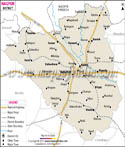
Nagpur is a large district within the state of Maharashtra and we can see that it is in the eastern part of the state also at the same time it serves as a main center for administration, trade, education and industry. Also known for its’ central location in India which is the reason it is put forth as the geographic center of the country.
Nagpur is the capital of the district which also is home to one of the largest urban centers in Maharashtra. The district has grown to become a key player in transport, trade and public administration. Also we see that the district has great road, rail and air connectivity which in turn has supported Nagpur’s role as a preeminent business and travel destination.
The district is known for its orange farms which also earn it the name of “Orange City of India. We see large scale production of oranges in the area which is made available to all parts of the country. Agriculture still supports many families in the district which is also true for the industrial and service sectors which in turn provide employment to a growing population.
Nagpur is also a key player in education. The district has a network of schools, colleges, universities and research institutions which attract students from different regions. These institutions have been instrumental in improving literacy and skill development over the years.
Modern growth of infrastructure, expansion of industrial zones and development of commercial activity has seen the transformation of this district. Today in the picture is Nagpur that has become a leading district in Maharashtra and is still very much a place that attracts investment, visitors and which is full of new opportunities.
History & Culture
Nagpur’s historical past is very long and interesting. What we see today as the district was at first home to local dynasties before the arrival of the Bhonsle rulers of the Maratha Empire. In the 18th century Nagpur became a very important political and administrative center.
The Bhonsles were great contributors to the growth of the region. We see today many of their temples, public works and historical sites which still are very much important landmarks. Also under their rule Nagpur came to be known as a major city in central India.
During the time of British rule Nagpur developed into a key administrative center. The district saw improvements in transport, education and public services. Railways which were introduced at that time played a role in growth of trade and in the movement of people around the region.
Nagpur was a part of India’s freedom struggle. In that time many national leaders came to the city and also the local people played active role in support of independence.
Nagpur’s culture is a blend of what is seen in Maharashtra and central India. Marathi is the primary language but so is Hindi. Out of many communities and backgrounds which come together to live in the district we see a very rich cultural tapestry.
Festivals in Nagpur are very much a grand affair. We see major ones like Ganesh Chaturthi, Diwali, Holi, Navratri, Eid and Christmas. Public events which mark these are a great outpouring of local tradition.
Food is a very large component of local culture. In the Maharastrian tradition there are very popular dishes, which are joined by that of many other regions which one can also find in the district. Also very into the fray are the street food markets and local restaurants which both residents and visitors enjoy.
Cultural events of all kinds including music performances, theater productions and literary events are had in this district very often. Also these do put forward the heritage of the area and at the same time support modern cultural expression.
Economy
Nagpur has a very strong economy in eastern Maharashtra. In that area agriculture, manufacturing, mining, trade, education, transport and service industries are supported by it. Also its central location puts it at an advantage in logistics and commercial activity.
Over time economic growth has seen better infrastructure, more business opportunities and job creation. Industrial parks, shopping centers and educational institutions play a large role in the district’s development.
Government Sector
In Nagpur, the government plays a large role in the economy. The district is home to many state and central government offices which also make it an important admin center.
Government agencies run institutions in admin, health, education, law enforcement and public welfare. Also they run development projects, social programs which benefit the residents and basic services.
The district is also home to the winter session of the Maharashtra Legislative Assembly which in turn adds to its administrative importance. Also we see that the government is investing in roads, public transport and urban development which in turn supports economic activity.
Government managed educational institutions and public hospitals which serve the whole district also create stable employment.
Public Sector
In Nagpur, the public sector plays a large role in economic development. Public sector banks, utility companies, transport authorities and communication services are present throughout the district.
Banking services reach out to businesses and farmers as well as individual customers. Financial institutions provide industries and entrepreneurs access to the funds they need for growth and development.
Public transport links urban and rural areas which in turn makes travel easier for residents. As for utility services which include electricity and water we have that they support both home and commercial settings.
Public sector entities also play a role in the development of infrastructure and social welfare programs within the district.
Services Sector
In Nagpur the services sector is a large contributor to the economy. Information technology, education, healthcare, hospitality, finance and retail trade are home to thousands of jobs.
Education is a large component of the local economy. We have schools, colleges, universities and training centers which draw in students from other states. Also this educational activity is a support for housing, retail and transport.
Healthcare has grown by large margins in past years. In urban areas we see that general and specialized health centers are treated as a home to patients from which they come from local districts.
Retail and food services as well as hotel and tourism based businesses are a driving force for growth. In Nagpur commercial activity is a year round affair.
Tourism
Tourism is a very important element of Nagpur’s economy and also in the present cultural identity of the district. What the area has to present in terms of history, religion, parks, lakes and wildlife is what draws visitors from all over India.
Deekshabhoomi is a very important landmark in Nagpur. It is a large scale Buddhist pilgrimage site and has great historical value. Every year thousands of visitors come to it for its association with Dr B. R. Ambedkar and the Buddhist movement in India.
Sitabuldi Fort is also a major point of interest. In the city center you will find the fort which is a representation of a very important period in the region’s history. Many visitors go here to learn about Nagpur’s past and also to enjoy the outlying scenery.
Maharajbagh Zoo is still a very popular with families and tourists. It has a large variety of animals and reports a very pleasant experience to guests. Ambazari Lake is the largest in the district which it is known for. It is a spot which people like for boating, walking and outdoor activities. Also the adjacent garden area is a hit with families.
Dragon Palace Temple which is near Nagpur is a very peaceful Buddhist temple known for its beautiful architecture and quiet settings. The site draws in devotees and tourists. The district also has malls, cultural attractions and local markets which seem to be a draw throughout the year.
Demographics
According to Census of India 2011 report which recorded that the population of Nagpur district was of the order of 4.65 million. Also since then we see an increase in population growth and urban expansion which has added to the resident population.
Nagpur is a very large district in terms of population. In the urban areas we see a large number of its residents, also many people live in villages and within smaller towns of the district.
The literacy rate is high which in turn is a result of our strong educational network. We also see that schools, colleges and universities are very much a part of the solution in terms of skill and learning development.
Marathi is the primary and the most spoken language in the district. Hindi and English also are the languages which are mainly used in education, business and government. The population is made up of individuals from many different cultures and religions which in turn brings to the district a very dynamic social setting and culture.
Urban growth is a result of development which has seen the growth of residential areas, commercial centers and industrial zones. Also see how this growth is changing the district’s demographic profile.
Administration
Nagpur district is run by the District Collector and other government departments which are into governance and development.
The district is restructured into many tehsils for smooth administration. In this we have the units that carry out public services, development projects, land records, and local governance. Government agencies run education, healthcare, agriculture, public works, law enforcement and social welfare. They serve both urban and rural communities.
In smaller towns and in villages local administrative bodies play a key role in governance. Also these entities deliver public services and support development. The administration is pushing for growth in infrastructure, environmental protection and economic development to support the ever increasing population.
| Official Name | Nagpur |
| Location | Maharashtra |
| Area | 9,892 sq. km |
| Population | 4,653,570 |
| Language | Marathi, Hindi, English |
FAQs
Q1: Where is Nagpur located?
Nagpur is in the East of India in the state of Maharashtra and is a large city in that area. It is central in terms of the Indian map which in turn has made it a key player in transport and trade.
Q2: What is Nagpur famous for?
Nagpur is home to fine oranges, Deekshabhoomi, a great historical past, educational institutions and a growing industrial base. Also it is a key administrative center in Maharashtra.
Q3: Why is Deekshabhoomi important?
Deekshabhoomi is a primary Buddhist site in India. It is the place of Dr B. R. Ambedkar’s conversion to Buddhism in 1956 which he did with many followers.
Q4: What are the main industries in Nagpur?
The economy of the district is based on agriculture, logistics, manufacturing, mining, information technology, health and education which also see us having a very large work force.
Last Updated on : August 18, 2026
